
MEC Siboniso Duma is empowering rural youth and boosting tourism in KwaZulu-Natal with the Somopho Hills Adventure Park quadbike initiative. The park, founded by young entrepreneur Lungani Mthembu, immerses visitors in Zulu heritage and creates employment opportunities for locals. The government is committed to supporting the tourism industry, and KZN has secured the rights to host the XIX World Water Conference in 2025. With special deals and attractions available, tourists are encouraged to plan their vacations in KZN and contribute to the growth and development of the province.
Fostering Rural Tourism and Economies Through Adventure
MEC Siboniso Duma is dedicated to boosting rural and township economies through tourism during Tourism Month. This commitment is evident as the Department of Economic Development, Tourism and Environmental Affairs, along with Tourism KwaZulu-Natal, have provided Somopho Hills Adventure Park with 10 quadbikes worth R1.2 million.
Situated in the rural eMpangeni region of the King Cetshwayo District Municipality, Somopho Hills Adventure Park was founded in 2021 by Lungani Mthembu, a young entrepreneur and member of the Mthembu royal family. His passion for preserving Zulu heritage and untouched wilderness led him to approach the department with his vision for uplifting the local community.
Previously, the people of Somopho village mainly relied on livestock and subsistence farming for their livelihoods. However, with the development of the adventure park, 15 local youths have found employment opportunities in the tourism industry. MEC Siboniso Duma believes that Lungani’s innovation will inspire young people to develop inventive tourism products that create jobs and elevate tourism to unprecedented heights.
Showcasing Zulu Heritage and Supporting Tourism Professionals
Somopho Hills Adventure Park captivates visitors by immersing them in the rich Zulu storytelling tradition. This aspect of the park allows tourists to share their experiences with family and friends, further promoting tourism in KwaZulu-Natal (KZN).
MEC Duma expressed his gratitude to representatives from various sectors, such as tour operators, brand strategists, creative directors, and other professionals, for their help in rebuilding the tourism industry. As tourism heavily depends on these professionals for growth, he thanked them for assisting the department in reaching potential tourists and invited them to promote Somopho Hills both nationally and globally.
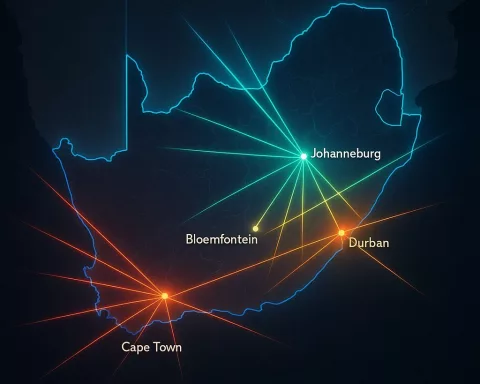
During the first quarter of this year, KZN attracted 969,765 visitors, signaling that tourism is making a comeback. The number of foreign visitors rose to 164,000 – the highest since the end of 2020 – demonstrating a revival in the international market. MEC Duma also announced that KZN has secured the rights to host the XIX World Water Conference in 2025, an event that is anticipated to bring over 3,000 delegates to Durban, thanks to the KZN Convention Bureau.
Economic Impact and Ensuring Water Infrastructure
In 2021 alone, hosting national and international conferences injected approximately R2 billion into the local economy. MEC Duma reassured stakeholders in the tourism sector that the department is working diligently to ensure a reliable water supply across the province, particularly during the summer holidays. He also discussed the allocation of over R12 billion by the Department of Water and Sanitation for repairing water infrastructure and building new dams.
As summer approaches with the arrival of spring, MEC Duma encouraged tourists to plan their vacations and take advantage of special deals on Tourism KZN’s website. KZN offers a variety of attractions, from the towering Drakensberg Mountains and the untouched iSimangaliso Wetland Park to the golden beaches along the coast.
A Lasting Impact on Local Communities and the Tourism Sector
In summary, Somopho Hills Adventure Park demonstrates the government’s dedication to strengthening rural and township economies through tourism and its lasting benefits for local communities. By investing in innovative tourism products, more job opportunities are created, fostering the growth and development of the province. The story of Lungani Mthembu and his adventure park serves as a source of inspiration for young entrepreneurs to make a difference in their communities and contribute to the tourism sector.
1. What is the Somopho Hills Adventure Park quadbike initiative?
The Somopho Hills Adventure Park quadbike initiative is an effort by MEC Siboniso Duma to empower rural youth and boost tourism in KwaZulu-Natal. The park was founded by young entrepreneur Lungani Mthembu and immerses visitors in Zulu heritage while creating employment opportunities for locals.
2. How is the government supporting the tourism industry in KwaZulu-Natal?
The government is committed to supporting the tourism industry in KwaZulu-Natal and has provided Somopho Hills Adventure Park with 10 quadbikes worth R1.2 million. Additionally, KZN has secured the rights to host the XIX World Water Conference in 2025, which is anticipated to bring over 3,000 delegates to Durban.
3. How is the Somopho Hills Adventure Park uplifting the local community?
Previously, the people of Somopho village mainly relied on livestock and subsistence farming for their livelihoods. However, with the development of the adventure park, 15 local youths have found employment opportunities in the tourism industry.
4. How is the park showcasing Zulu heritage?
Somopho Hills Adventure Park captivates visitors by immersing them in the rich Zulu storytelling tradition. This aspect of the park allows tourists to share their experiences with family and friends, further promoting tourism in KwaZulu-Natal.
5. How is the tourism industry making a comeback in KwaZulu-Natal?
During the first quarter of this year, KZN attracted 969,765 visitors, signaling that tourism is making a comeback. The number of foreign visitors rose to 164,000 – the highest since the end of 2020 – demonstrating a revival in the international market.
6. How is the tourism industry impacting the local economy?
In 2021 alone, hosting national and international conferences injected approximately R2 billion into the local economy. The tourism industry also creates job opportunities, fostering the growth and development of the province.
7. What is the Department of Water and Sanitation doing to ensure a reliable water supply for tourists?
The Department of Water and Sanitation has allocated over R12 billion for repairing water infrastructure and building new dams to ensure a reliable water supply for tourists, particularly during the summer holidays.
8. How can tourists take advantage of special deals on Tourism KZN’s website?
As summer approaches, tourists are encouraged to plan their vacations and take advantage of special deals on Tourism KZN’s website. KZN offers a variety of attractions, from the towering Drakensberg Mountains and the untouched iSimangaliso Wetland Park to the golden beaches along the coast.