
A Successful City-Backed Initiative
In the vibrant city of Cape Town, small enterprises flourish as the foundation of the local economy. To provide even more support for these critical businesses, the city has introduced the Productivity Efficiency Programme, a city-backed effort aimed at aiding small, medium, and micro-sized enterprises (SMMEs) in enhancing their operations and preserving jobs. With a proven track record of success, the programme has assisted numerous businesses in increasing their profits and providing employment for a multitude of workers.
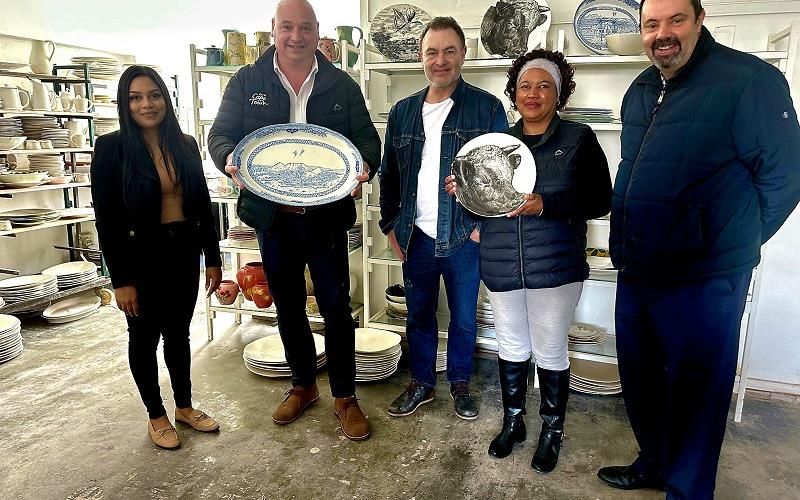
A shining example of the programme’s success is Mervyn Gers Ceramics, a custom ceramic tableware producer located in Paarden Eiland. This company employs 48 individuals and produces roughly 9,000 bespoke items each month. A recent visit from Alderman James Vos, the Mayoral Committee Member for Economic Growth, showcased the positive influence of the Productivity Efficiency Programme on the business’s operations.
Implemented by Productivity South Africa, the six-month intervention diligently evaluates multiple aspects of a participating company. The initiative scrutinizes financial records and operations, identifying potential areas for improvement and enhancement. By targeting inefficiencies and offering comprehensive strategies for improvement, the programme empowers businesses to optimize their processes and make informed, data-driven decisions.
Measurable Improvements in Performance
The key performance indicators for Mervyn Gers Ceramics demonstrate the effectiveness of the programme. On-time deliveries rose from 51% in February 2022 to 68% in March 2022, while throughput (the amount of material or items passing through a system or process) climbed from 38% in March 2022 to 66% in June 2022. These figures clearly show the significant impact of meticulously assessing and addressing operational inefficiencies.
Alderman Vos is enthusiastic about the programme’s potential, referencing the accomplishments of 18 small businesses that took part in the initiative last year. These companies managed to retain a total of 588 jobs, revealing the programme’s ability to support both economic growth and job stability. With this success in mind, Alderman Vos strongly urges Cape Town’s SMMEs to seize the opportunity to innovate and streamline their operations.
A Valuable Resource for Entrepreneurs
The Productivity Efficiency Programme serves as a priceless asset for small businesses in Cape Town. By providing expert guidance and support, the programme enables entrepreneurs to fine-tune their operations, contributing to a stronger and more prosperous economy. The achievements of Mervyn Gers Ceramics and similar enterprises are a testament to the potential of such a programme to transform businesses and enhance the city’s economic landscape.
For businesses interested in participating in the programme or seeking information on other enterprise assistance initiatives, the city’s Business Hub is available to provide support by phone at 021 417 4043 or by email at business.support@capetown.gov.za. By utilizing these valuable resources, entrepreneurs can set out on a journey to improve their businesses, sparking growth and progress in Cape Town’s thriving small business sector.
A Commitment to Nurturing Growth
Through the Productivity Efficiency Programme, Cape Town demonstrates its dedication to cultivating small businesses and promoting economic growth. By pinpointing potential enhancements and offering expert advice, the city invests in the success and longevity of its SMMEs. The experiences of Mervyn Gers Ceramics and other participating businesses serve as evidence of the profound effect of this innovative, city-backed programme on Cape Town’s enterprises.