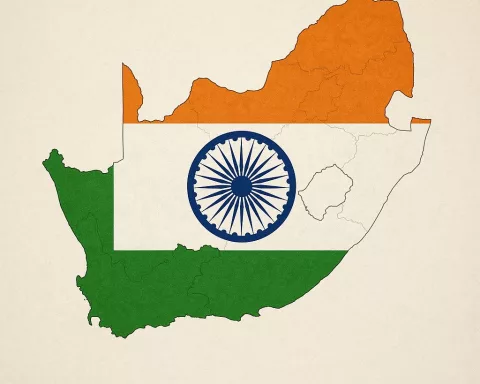

In early 2024, South Africa’s only old driver’s licence card printer finally broke down after 25 years, causing a huge backlog of 750,000 licences and throwing daily life into chaos. People struggled with expired cards, risking fines and job losses, while staff worked long hours to fix the problem. This crisis revealed how risky it is to rely on outdated technology and sparked calls for modern upgrades, like longer licence validity and digital solutions. Despite the challenges, the country showed great resilience and a strong will to improve the system for the future.
What caused South Africa’s 2024 driver’s licence crisis?
South Africa’s driver’s licence crisis was caused by the failure of the country’s only outdated card printing machine after 25 years and 160 breakdowns. This led to a backlog of 750,000 licence cards, disrupting transportation and employment, and exposing the need for system modernization and redundancy.
The Breaking Point: A Nation’s Reliance on a Single Machine
At the start of 2024, silence replaced the typical mechanical drone in South Africa’s Department of Transport card printing centre. The country’s only machine capable of producing driver’s licence cards—a model in service for a quarter-century—finally reached its mechanical limit. After 25 years and 160 breakdowns, the device failed once more, plunging the country into administrative chaos and exposing the fragility of its infrastructure.
South Africa’s dependence on this single, outdated printer serves as a stark reminder of the vulnerabilities that can arise when critical services rely on legacy technology. When the breakdown occurred, the Department of Transport quickly acknowledged the scale of the problem: with the machine offline, a backlog grew overnight, leaving 750,000 licence cards pending production. For a country whose population depends heavily on driving for daily life and economic activity, this was more than a technical hiccup—it was a national emergency.
Motorists suddenly found themselves in an uncomfortable limbo. Without updated cards, ordinary routines—from commuting and business travel to renting vehicles—became fraught with risk and uncertainty. The authorities, recognizing the predicament, instructed drivers to keep expired cards alongside renewal receipts as temporary proof. This measure did little to ease anxieties, as many feared tense encounters with law enforcement or being denied basic services that require a valid driver’s licence. The breakdown provided a glaring example of how one weak link can disrupt an entire system.
Human Ingenuity Amid Systemic Weakness
In the face of mounting delays, the Department of Transport marshaled its resources to restore order. After prolonged technical efforts, engineers managed to repair the aging printer, allowing it to resume operations. However, the celebration was tempered by the reality of an enormous workload. Staff members responded with dedication, stretching their working hours up to 14 hours a day in an urgent attempt to clear the backlog. On days when the machine held up, production soared to as many as 19,000 cards.
This herculean effort highlighted the resilience and adaptability of those within the department. Employees often joked about bringing sleeping bags to work, while managers delivered coffee to fuel the long, weary nights. The sense of camaraderie and civic responsibility ran high, with everyone aware that thousands of South Africans were waiting anxiously for the small, plastic rectangles that allowed them to drive, work, and live freely.
Despite these efforts, the crisis exposed deep flaws in the system. The very need for such overtime and improvisation underscored the lack of planning and redundancy in critical public services. While the printer’s return to operation was a temporary victory, it also served as a cautionary tale. The heavy workload placed on both machine and staff was unsustainable and highlighted the urgent need for systemic reform.
Regional Disparities and the Broad Impact
Although the licence card shortage affected the entire nation, some provinces bore the brunt more than others. Gauteng, South Africa’s bustling economic hub, experienced the most severe delays due to its high population density and relentless urban traffic. Other regions, such as KwaZulu-Natal and the Western Cape, also reported significant backlogs that strained both public patience and administrative capacity.
The impact of the shortage went beyond inconvenience. For many, a driver’s licence isn’t just about legal compliance; it’s a lifeline to employment and opportunity. Taxi drivers, delivery personnel, and everyday commuters all depend on their licences to maintain livelihoods. Delays led to missed job opportunities, cancelled travel plans, and even insurance complications for businesses and individuals alike. The situation revealed just how central the driver’s licence has become in the fabric of South African society—not only as a legal document but as a symbol of mobility, autonomy, and hope.
Stories from those affected put a human face on the crisis. In Pretoria, a taxi operator named Gift Mokoena shared how anxiety over his pending renewal affected every workday, fearing fines or worse at each roadblock. In Durban, a teacher recounted her concerns about being denied car rentals or facing disruptions in her daily commute due to an expired licence. These personal accounts drive home the reality that bureaucratic setbacks ultimately translate into real and immediate challenges for ordinary people.
Procurement Pitfalls and Calls for Change
The technical crisis soon gave way to a bureaucratic one. Recognizing the urgent need for modernization, the Department of Transport initiated a tender process in September 2024 to procure a new card printer. However, the project quickly became mired in controversy. The Auditor-General flagged irregularities in the procurement process, prompting the acting Minister of Transport, Barbara Creecy, to halt the contract in order to ensure transparency and compliance with regulations.
This episode is emblematic of broader challenges facing South African governance. The tension between the need for swift service delivery and the imperative to prevent corruption has characterized the public sector for years. Choosing to prioritize due diligence over speed, Minister Creecy’s decision underscored the cost of maintaining integrity in public procurement, even when facing urgent needs. The delays, though frustrating, highlighted South Africa’s ongoing struggle to balance accountability with efficiency.
Civil society organizations have entered the discussion with practical proposals. Wayne Duvenage, representing the Organisation Undoing Tax Abuse (OUTA), advocated extending the validity period for driver’s licences from five to ten years. He pointed out that such a policy had briefly appeared in 2013 before being rescinded. Not only would a longer validity period ease pressure on the production system, but it would also bring South Africa in line with several European countries, such as Germany and France, where ten-year licences are the norm. This reform, combining administrative efficiency with public convenience, has gained traction as a potential long-term solution.
Lessons from Abroad and the Future of Identification
Looking beyond South Africa’s borders, other nations offer valuable lessons in managing identity services. Italy, for instance, faced a similar crisis in the 1980s when outdated technology hindered the issuance of identity documents. The Italian government responded by decentralizing production, establishing regional centres that reduced vulnerability to single points of failure. In Japan, redundancy and backup systems are standard practice for essential public services, ensuring that breakdowns never escalate into national emergencies.
These international models demonstrate that resilience comes from proactive investment and strategic planning, not from improvisation during a crisis. The South African experience, meanwhile, echoes themes found in literature, such as Kafka’s “The Castle,” where individuals contend with labyrinthine bureaucracy and opaque processes. For many South Africans, the struggles of acquiring or renewing a licence card have taken on similarly surreal and frustrating qualities.
The crisis also sparks debate over technology’s role in future-proofing public services. Countries like Estonia have adopted digital identity platforms that allow citizens to access a range of services remotely. South Africa has begun exploring digital alternatives, with pilot projects in the Western Cape testing mobile-based licence renewals. However, the digital divide remains a significant obstacle, as millions still lack reliable internet access and smart devices. For the foreseeable future, physical cards remain an essential part of the state-citizen relationship.
Moving Forward: Building a More Resilient System
The saga of South Africa’s driver’s licence card crisis tells a story of endurance, resourcefulness, and the pressing need for reform. While the immediate challenge of restoring card production was met with determination and long hours, the underlying vulnerabilities remain. Addressing these will require a combination of infrastructural investment, policy innovation, and a renewed commitment to public accountability.
As the country looks to the future, both government and civil society are calling for changes that not only address the current backlog but also build resilience for years to come. Whether by extending licence validity, decentralizing production, or embracing digital solutions, the goal is clear: to transform a point of failure into a foundation for reliable, equitable service.
Ultimately, the story is not just about a broken machine or a bureaucratic stumble. It is about a nation’s ability to adapt, to learn from setbacks, and to work collectively towards a system that serves all its people. In the rhythm of overtime shifts and the patience of those waiting for their new cards, South Africa demonstrates that even in times of crisis, resilience and hope endure.
What caused South Africa’s 2024 driver’s licence crisis?
The crisis was triggered by the breakdown of South Africa’s only driver’s licence card printing machine, which had been in service for 25 years and experienced over 160 breakdowns prior. When it finally failed at the start of 2024, it caused a backlog of 750,000 licence cards waiting to be produced. This exposed the vulnerability of relying on outdated technology and a single point of failure for such an essential public service.
How did the licence card shortage impact South Africans?
The shortage affected millions of motorists who needed valid driver’s licences for everyday activities—commuting, working, renting vehicles, and more. Many faced anxiety over potential fines or job losses due to expired licences. Key economic hubs like Gauteng experienced severe delays, which disrupted livelihoods for taxi drivers, delivery workers, and others reliant on driving. The crisis highlighted how crucial licences are not only as legal documents but also as lifelines to employment and mobility.
What measures did the Department of Transport take to address the backlog?
After the printer was repaired, staff worked extended hours—sometimes up to 14 hours a day—to clear the backlog, producing as many as 19,000 cards per day when the machine was operational. The department also advised drivers to carry expired licences along with renewal receipts as temporary proof. Despite these efforts, the situation underscored the need for a more sustainable, modern system rather than relying on overtime and repairs.
Why was the procurement of a new card printing machine delayed?
In September 2024, the Department of Transport began a tender process to replace the broken printer. However, the Auditor-General identified irregularities in the procurement process, prompting the acting Minister of Transport, Barbara Creecy, to halt the contract to ensure transparency and compliance with procurement laws. This delay reflects the ongoing challenge of balancing swift service delivery with strict governance and anti-corruption measures in South Africa.
What long-term reforms are being proposed to prevent future crises?
Several reforms are under discussion, including extending the validity period of driver’s licences from five to ten years, which would reduce pressure on production systems. This aligns South Africa with countries like Germany and France, where longer licence validity is standard. Other proposals include decentralizing card production to avoid reliance on a single machine and adopting digital solutions, such as mobile-based licence renewals, to modernize and future-proof the system.
How do international examples inform South Africa’s approach to this problem?
Countries like Italy and Japan have implemented decentralization and redundancy for identity document production to avoid single points of failure. Estonia has adopted digital identity platforms that enable citizens to access services remotely, reducing dependency on physical cards. South Africa is exploring similar digital initiatives but faces challenges related to the digital divide. These international lessons underline the importance of proactive investment, infrastructure diversity, and embracing technology to build resilience in essential public services.