Enhancing Cape Town’s Informal Economy: Upgraded Infrastructure and Business Training

1 min read
informal economy infrastructure Cape Town

Alderman James Vos, a prominent figure in Cape Town’s economic growth, has recently announced a series of infrastructure initiatives aimed at improving informal trading sites throughout the city. The following sections outline the City’s dedication to enhancing the informal economy, including its budget allocations, infrastructure projects, and skill development programs.

Budget Allocations

The City’s 2023/2024 fiscal year budget allocates R56 million to support infrastructure and skill development programs for local traders and entrepreneurs. Projects are planned for key areas such as Athlone, Blue Downs, and Philippi, with a focus on creating dignified and accessible locales for traders to interact with their patrons.

Newsletter

Stay Informed • Cape Town

Get breaking news, events, and local stories delivered to your inbox daily. All the news that matters in under 5 minutes.

Join 10,000+ readers
No spam, unsubscribe anytime

Infrastructure Projects

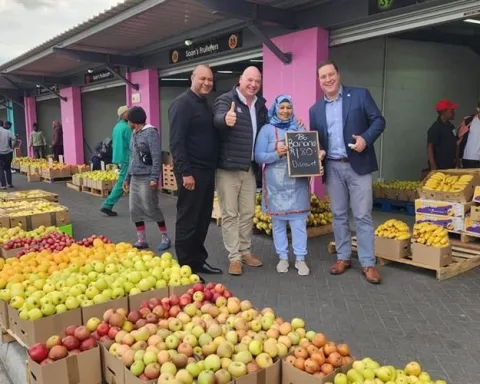
Spearheading the efforts to renovate existing sites and develop new opportunities, Alderman Vos is leading the way in streamlining the trading permit application process. The introduction of an upgraded e-permitting system will simplify the application procedure, ensuring traders can secure their permits with greater ease. Among the infrastructure projects are the upcoming [Thembokwezi Market in Khayelitsha](https://capetown.today/cape-towns-markets-a-haven-for-bargain-hunters) and a container trading market in Wallacedene, set to replace an unauthorised dumping site.

Skill Development Programs

The City recognizes that the needs of traders and entrepreneurs extend beyond infrastructure and is investing in skill development programs. Topics covered include business engagement with the City, product enhancement, and digital marketing. These efforts build on the City’s Business Hub, which has already reached out to 3,285 aspiring and established entrepreneurs through 79 workshops covering a wide array of subjects.

Success Stories

Alderman Vos emphasized the importance of the informal economy in providing livelihoods for many Capetonians, as well as facilitating access to goods and services within communities. Success stories of tangible support are already emerging, such as the Blackheath Business Hive, which has become a thriving trading hub since its official launch earlier this year. Furthermore, the Atlantis Business Hive is set to open in the coming weeks, following significant developments in the area.

Call to Action

As the City continues to review public feedback on its mobile business policy, Alderman Vos encourages traders to engage with the team and explore the various training workshops available. Registration for online sessions can be completed through the provided contact information.

The combination of infrastructure initiatives and skill development programs demonstrates Cape Town’s commitment to empowering its informal economy. By investing in both the physical and intellectual growth of traders and entrepreneurs, the City is poised to create a thriving environment that nurtures local business and strengthens communities.

Tumi Makgale is a Cape Town-based journalist whose crisp reportage on the city’s booming green-tech scene is regularly featured in the Mail & Guardian and Daily Maverick. Born and raised in Gugulethu, she still spends Saturdays bargaining for snoek at the harbour with her gogo, a ritual that keeps her rooted in the rhythms of the Cape while she tracks the continent’s next clean-energy breakthroughs.

Leave a Reply

Your email address will not be published.

Previous Story

Heart Awareness Month: A Campaign for Healthier Hearts in South Africa and Beyond

Next Story

Discovering Cape Town’s Coastal Gems: A Guide to Beach Walks

Latest from Blog

A Teenager in a White Coat: How One Student Shattered South Africa’s Medical Age Record

{“summary”: “Imagine a whiz kid, David Obagbuwa, who started high school at 11 and became a doctor at just 21! He shattered South Africa’s medical age record, proving that a sharp mind and hard work can achieve amazing things. From classrooms in KwaZuluNatal to intense medical studies, David tackled every challenge. Even during lockdown, he quickly mastered his courses. Now, he’s ready to help people, showing that big dreams can come true, no matter how young you are.”}

Martian Dust, Carbon ankles & a R4-million Promise: Inside the 2026 Cape Epic’s Mobility Rebellion

Get ready for the 2026 Cape Epic, but this isn’t just any bike race! Three special teams, using amazing robotic legs and carbon ankles, will tackle the tough trails. They’re racing to raise R4 million to buy 200 new prosthetic limbs, 150 wheelchairs, and 50 sports blades for people in South Africa who need them. Every pedal stroke helps someone gain freedom and move again, showing that movement is for everyone, not just a few. This epic journey turns sweat into hope, changing lives one kilometer at a time.

Cape Town’s Shadow State: How Extortion Became the New Township Taxman

Cape Town has a big problem: bad guys are shaking down businesses and projects for money. They act like “taxmen” in townships, making building costs shoot up and forcing small shops to close. These criminals cause fear, stop important work, and even kill people who get in their way. It’s like a shadow government taking over, making life hard for everyone and costing the city tons of money. People are scared, and it’s unclear how this dangerous situation will ever truly end.

The Woman Who Taught Cape Town to Breathe Under Fire

Arlene Wehr taught Cape Town how to fight fires like a boss! She was one of the first women firefighters and totally changed the game. Arlene created cool new ways to find water, like “Operation Liquid Grid,” and made sure everyone had a chance to become a firefighter, even women. Because of her, Cape Town is safer, and the fire department is much more welcoming to all.

Morea House: Where the Atlantic Meets Art, Granite and Ghost-Nets

Morea House is Cape Town’s first fancy Marriott hotel, born from an old 1960s building. It shines with blushpink walls and art made from old fishing nets, making it feel truly special. This hotel is all about local beauty, from its design to its food, and even how it saves the planet. Imagine rooftop pools, unique spa experiences, and rooms where you wake up to amazing views. It’s a place where every detail tells a story of the ocean and the land, making your stay unforgettable.