Enhancing Rural and Communal Areas through Integrated Human Settlements

1 min read
s o

South Africa’s past racial discrimination and lack of investment in rural and communal areas continue to affect their development today. Apartheid policies enriched the minority and impoverished the indigenous population, causing South Africa to have the highest income inequality in the world.

Economic Reality of Rural Areas

Rural areas have experienced a decline in productivity, leading to limited self-sufficiency and rural to urban migration. This has resulted in overcrowding and a higher demand for housing in urban areas. To prevent this, integrated liveable human settlements must be implemented.

Newsletter

Stay Informed • Cape Town

Get breaking news, events, and local stories delivered to your inbox daily. All the news that matters in under 5 minutes.

Join 10,000+ readers
No spam, unsubscribe anytime

Coordination of Functions

To achieve sustainable settlements, housing, public transport, land-use planning and management, local economic development, health, education, and social development must be coordinated.

Infrastructure Investment

President Ramaphosa allocated R600 million for project preparation in rural and under-resourced areas to facilitate the construction of infrastructure, including roads, bridges, and dams. The Human Settlements Development Grant (HSDG) was also increased to 30% for bulk infrastructure in rural provinces.

Access to Basic Services

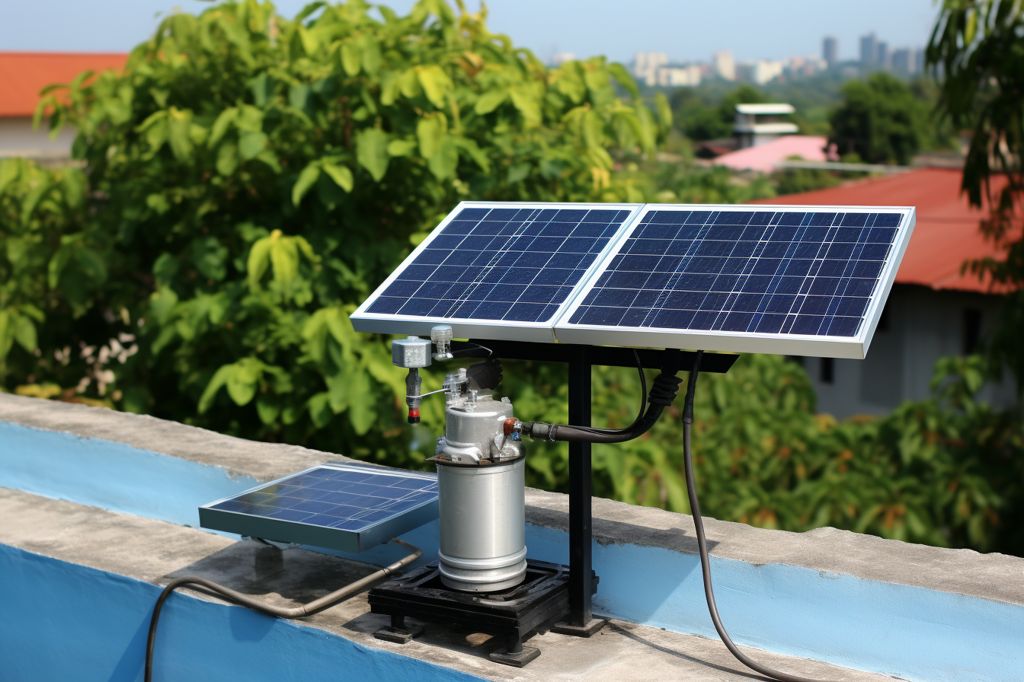
Policy measures, such as providing solar panels and rainwater harvesting devices, aim to improve access to basic services like electricity, running water taps, and sewage systems. Additionally, houses for persons with disabilities will be fitted with burglar bars to enhance security.

Communal Land Potential

Communal land has the potential to provide tenure security, as demonstrated by middle-class individuals investing in multistory houses in customary land in Limpopo. However, financial institutions must change their lending rules and attitudes towards communal land residents.

Collaboration between Traditional Leaders and Government

Traditional leaders and the government must work together to eliminate informality and ensure a transparent and trustworthy land allocation process to attract more investment in communal property markets.

First Home Finance Initiative

The government-led First Home Finance initiative, managed by the National Housing Finance Corporation (NHFC), aims to provide affordable housing finance to households with monthly incomes between R3,501 and R22,000. This program is beneficial for rural residents holding “Permission-To-Occupy” certificates.

Climate Change Vulnerability

The national Department of Human Settlements aims to eliminate mud houses to address rural areas’ vulnerability to climate change and extreme weather events. The People’s Housing Programme (PHP) promotes self-help housing and the incorporation of cooperatives in housing delivery to create sustainable human settlements.

Multifaceted Approach

To establish a virtuous cycle of development, a multifaceted approach is required, including economic revitalization, infrastructure development, policy changes, and cooperation between traditional leaders and the government. By addressing these aspects, rural to urban migration can be slowed, enhancing rural and communal areas through integrated human settlements.


A Russian-Spanish journalist and Cape Town native, channels his lifelong passion for South Africa into captivating stories for his local blog. With a diverse background and 50 years of rich experiences, Serjio's unique voice resonates with readers seeking to explore Cape Town's vibrant culture. His love for the city shines through in every piece, making Serjio the go-to source for the latest in South African adventures.

Previous Story

Uncovering Corruption and Maladministration in South Africa’s National Lotteries Commission

Next Story

President Cyril Ramaphosa’s Public Engagements: Promoting South-South Cooperation and Addressing Global Challenges

Latest from Blog

A Teenager in a White Coat: How One Student Shattered South Africa’s Medical Age Record

{“summary”: “Imagine a whiz kid, David Obagbuwa, who started high school at 11 and became a doctor at just 21! He shattered South Africa’s medical age record, proving that a sharp mind and hard work can achieve amazing things. From classrooms in KwaZuluNatal to intense medical studies, David tackled every challenge. Even during lockdown, he quickly mastered his courses. Now, he’s ready to help people, showing that big dreams can come true, no matter how young you are.”}

Martian Dust, Carbon ankles & a R4-million Promise: Inside the 2026 Cape Epic’s Mobility Rebellion

Get ready for the 2026 Cape Epic, but this isn’t just any bike race! Three special teams, using amazing robotic legs and carbon ankles, will tackle the tough trails. They’re racing to raise R4 million to buy 200 new prosthetic limbs, 150 wheelchairs, and 50 sports blades for people in South Africa who need them. Every pedal stroke helps someone gain freedom and move again, showing that movement is for everyone, not just a few. This epic journey turns sweat into hope, changing lives one kilometer at a time.

Cape Town’s Shadow State: How Extortion Became the New Township Taxman

Cape Town has a big problem: bad guys are shaking down businesses and projects for money. They act like “taxmen” in townships, making building costs shoot up and forcing small shops to close. These criminals cause fear, stop important work, and even kill people who get in their way. It’s like a shadow government taking over, making life hard for everyone and costing the city tons of money. People are scared, and it’s unclear how this dangerous situation will ever truly end.

The Woman Who Taught Cape Town to Breathe Under Fire

Arlene Wehr taught Cape Town how to fight fires like a boss! She was one of the first women firefighters and totally changed the game. Arlene created cool new ways to find water, like “Operation Liquid Grid,” and made sure everyone had a chance to become a firefighter, even women. Because of her, Cape Town is safer, and the fire department is much more welcoming to all.

Morea House: Where the Atlantic Meets Art, Granite and Ghost-Nets

Morea House is Cape Town’s first fancy Marriott hotel, born from an old 1960s building. It shines with blushpink walls and art made from old fishing nets, making it feel truly special. This hotel is all about local beauty, from its design to its food, and even how it saves the planet. Imagine rooftop pools, unique spa experiences, and rooms where you wake up to amazing views. It’s a place where every detail tells a story of the ocean and the land, making your stay unforgettable.