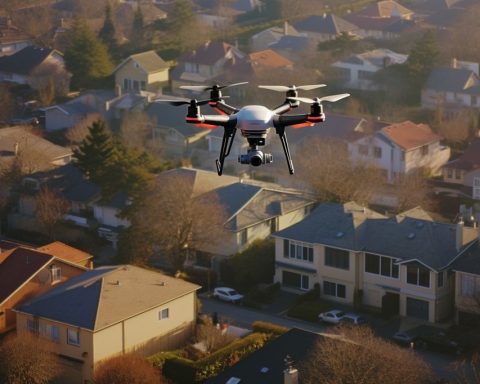
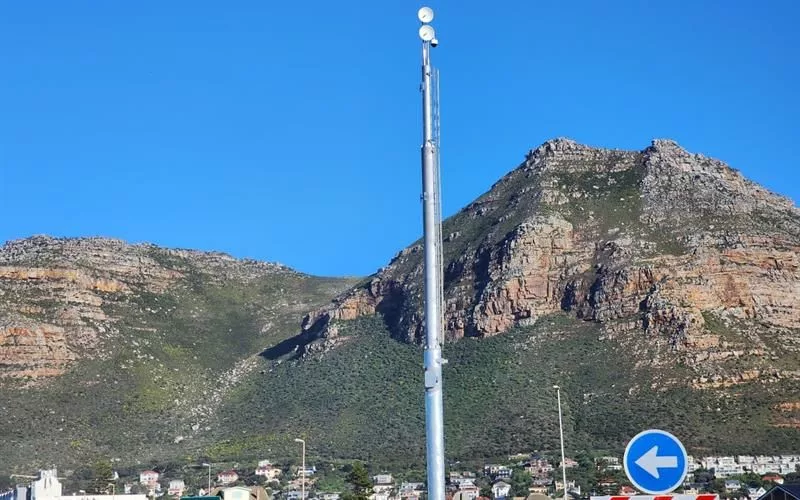
The Metropolitan City is boosting its surveillance capabilities by upgrading its CCTV systems and infrastructure. The Strategic Surveillance Unit reports a continuous increase in detected incidents, leading to more arrests. The city plans to collaborate with the South African Police Service for investigations and expand its surveillance capabilities through infrastructure upgrades and new installations. The future of surveillance in the city promises to be advanced and effective, ensuring safety for its citizens through sophisticated technology.
Upgrading Surveillance Infrastructure
The Metropolitan City’s Strategic Surveillance Unit (SSU) has reported a continuous rise in the number of incidents detected due to the installation of additional cameras and a rise in uptime. The city has put in place strategies to enhance their functionalities, including a noticeable shift in the standard operating procedure and the EPIC system. Alderman JP Smith affirmed the city’s objective to push its CCTV operations further and collaborate with the South African Police Service (SAPS) for investigations. The SSU is involved in 39 different projects, including infrastructure upgrades and transitioning from leased fiber networks to city-owned ones.
A New Chapter in Surveillance
A new era is unfolding in the Metropolitan city, marked by a significant shift in its surveillance practices. For three straight quarters now, the Metropolitan Police’s Strategic Surveillance Unit (SSU) has reported a continuous rise in the number of incidents detected. The city is acknowledging the essential role Closed-Circuit Television (CCTV) systems are playing in its security apparatus and has put in place strategies to enhance their functionalities.
During the last two quarters of 2023, the city saw an extraordinary increase in detected incidents. Between July and September, there were 8,284 detected incidents, resulting in 113 arrests out of 4,836 crime incidents. From October to December, the figures slightly rose to 8,983 incidents and 94 arrests, culminating from 5,354 crime incidents. When considered as a whole, this equates to an impressive 90% increase in detections compared to the same period in the previous year.
Upgrading Surveillance Infrastructure
This upswing, however, does not merely indicate a spike in crime rates, but rather mirrors a broad expansion of the city’s surveillance infrastructure. The installation of additional cameras has led to a wider coverage area. The network of cameras has also seen a rise in uptime, with an average of between 90% and 95%. This consistent performance has facilitated more persistent monitoring. Furthermore, there has been a noticeable shift in the standard operating procedure, where the closest unit responds to the reported incident, regardless of the enforcement service. This change has been made possible by the EPIC (Emergency Policing Incident Control) system.
Alderman JP Smith, Mayoral Committee Member for Safety and Security, affirmed the city’s objective to push its CCTV operations further. Smith acknowledged the positive trend, stating, “This is very good momentum. To ensure that we build on this, a workshop will be convened to assess our CCTV operations, including facilities, infrastructure, staffing, and potential for further expansion.”
Collaboration with SAPS and Infrastructure Expansion
In the six months from July to December 2023, the SSU registered 111 instances when the South African Police Service (SAPS) requested access to footage for their investigations. This figure shows a slight dip from the 120 instances reported during the same period in the preceding year. However, Alderman Smith is hopeful that the increasing detections will prompt the SAPS to avail themselves more of the city’s services. “CCTV footage can serve as a powerful tool for investigations and prosecution of suspects, and it can only benefit our criminal justice system,” Smith asserted.
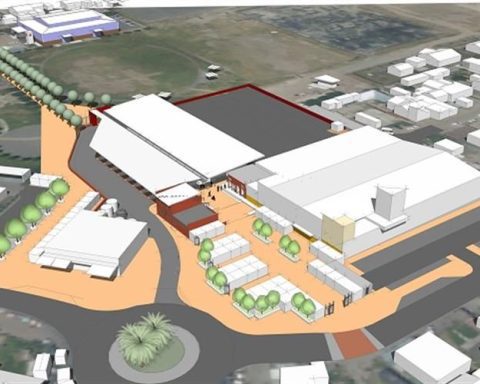
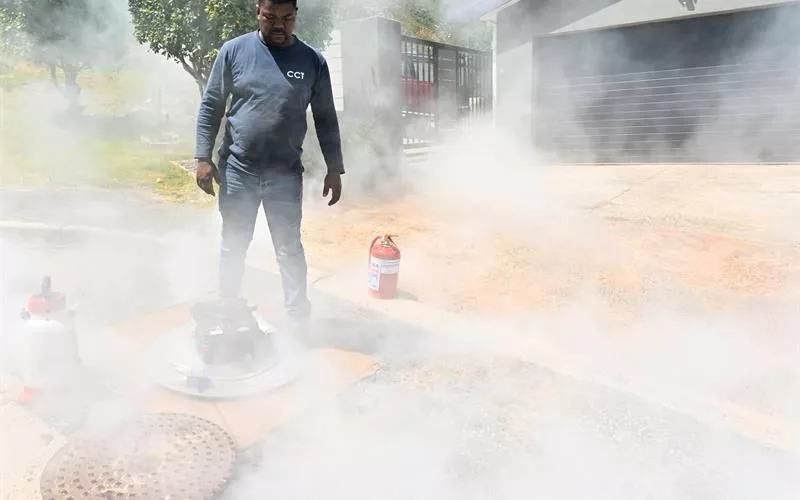
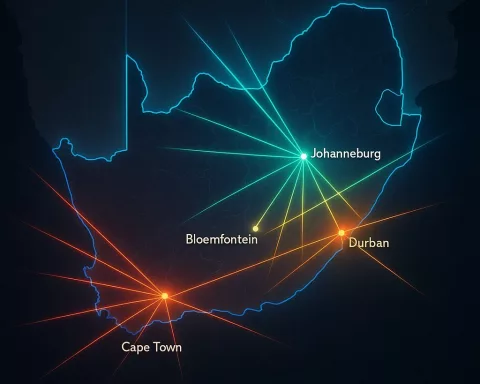
The city’s surveillance enhancement plan extends beyond just CCTV systems. Currently, the SSU is involved in 39 different projects, ranging from new installations and additional equipment procurement to infrastructure upgrades and transitioning from leased fiber networks to city-owned ones.
One of the most eagerly awaited projects in 2023 was the installation of cameras at various points on Baden Powell Drive, involving an investment of R4.2 million. At present, ten of these cameras are operational at six locations, with regular weekly service and maintenance owing to their closeness to the sea.
The Future of Metropolitan Surveillance
In this epoch of advanced surveillance, the security of the Metropolitan city is undergoing a dynamic shift. The city isn’t just observing; it’s analyzing, learning, and growing, focusing on a future where safety is more comprehensively and effectively assured through sophisticated technology. The rise in CCTV detections doesn’t just demonstrate the city’s expanding surveillance capabilities, but also shines a light on the promise of a safer and more secure future.
1. What is the Metropolitan City doing to boost its surveillance capabilities?
The Metropolitan City is upgrading its CCTV systems and infrastructure to enhance its surveillance capabilities.
2. Has there been an increase in detected incidents with the new surveillance upgrades?
Yes, the Strategic Surveillance Unit has reported a continuous rise in detected incidents, resulting in more arrests.
3. Will the Metropolitan City collaborate with the South African Police Service for investigations?
Yes, the Metropolitan City plans to collaborate with the South African Police Service for investigations.
4. How will the Metropolitan City expand its surveillance capabilities?
The Metropolitan City plans to expand its surveillance capabilities through infrastructure upgrades and new installations.
5. What is the future of surveillance in the Metropolitan City?
The future of surveillance in the Metropolitan City promises to be advanced and effective, ensuring safety for its citizens through sophisticated technology.
6. What are the projects that the Strategic Surveillance Unit is involved in?
The Strategic Surveillance Unit is involved in 39 different projects, including infrastructure upgrades and transitioning from leased fiber networks to city-owned ones.