South African citizens can enjoy a break from load shedding as Eskom halts the power outages for the weekend due to stable generation capacity. After this point, Stage 2 load shedding will recommence from 4 pm until 5 am on Tuesday. Eskom has also shared an update on the status of Koeberg Unit 1, indicating the end of its outage and its synchronization with the grid expected by October 2023. The anticipated revival of Koeberg Unit 1 offers hope for enhanced energy availability in the future, and residents are encouraged to explore the city during the load shedding suspension.
Is load shedding currently in effect in South Africa?
South African citizens can take a breather as Eskom, the national power utility, pauses load shedding for the weekend. Due to stable generation capacity, with 13,158 MW of breakdowns and 6,051 MW of planned maintenance, load shedding will be on hold until 4 pm on Monday. After this point, Stage 2 load shedding will recommence from 4 pm until 5 am on Tuesday.
Temporary Relief from Load Shedding
South African citizens can take a breather as Eskom, the national power utility, pauses load shedding for the weekend. Due to stable generation capacity, with 13,158 MW of breakdowns and 6,051 MW of planned maintenance, load shedding will be on hold until 4 pm on Monday. After this point, Stage 2 load shedding will recommence from 4 pm until 5 am on Tuesday. This schedule will persist daily, with load shedding suspended between 5 am and 4 pm, and Stage 2 implementation occurring from 4 pm to 5 am, until further updates. Eskom pledges to keep the public informed in case of any significant developments.
Progress on Koeberg Unit 1
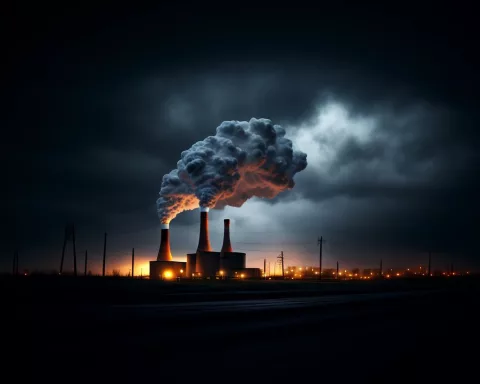
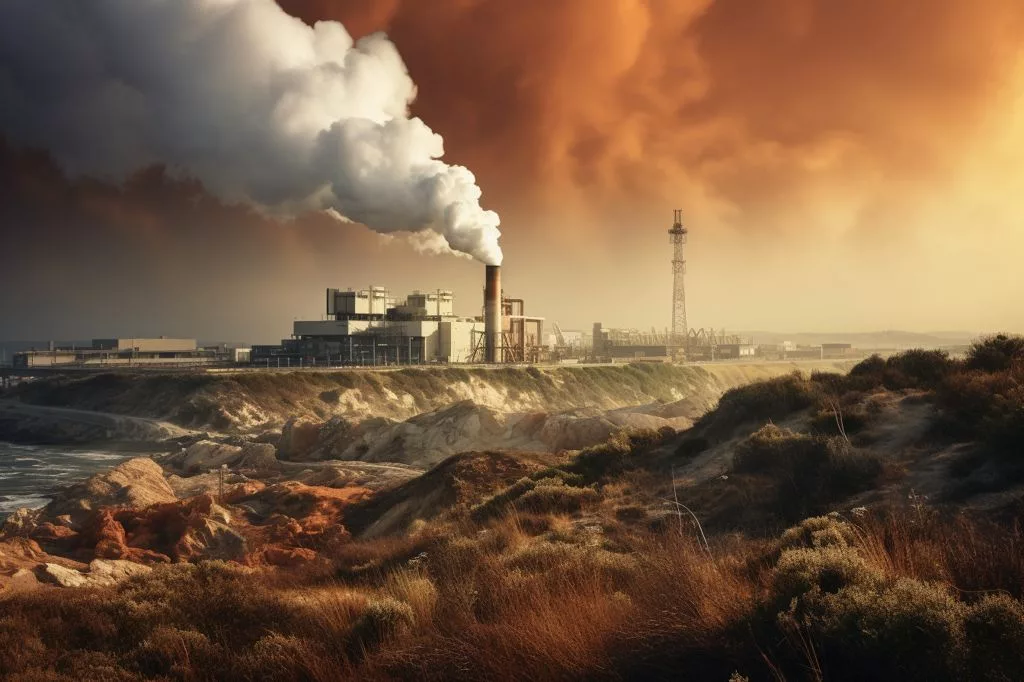
On top of this brief respite, further encouraging news awaits South Africans. Eskom recently shared an update on the status of Koeberg Unit 1, indicating the end of its outage. The sight of steam emerging from the Koeberg Power Station, situated close to residential neighborhoods, is a promising indication for those working on the project. The triumphant replacement of steam generators in Unit 1 has laid the foundation for its synchronization with the grid by October 2023.
When synchronized, the unit’s power output will incrementally rise over a fortnight, during which commissioning tests will be performed. This crucial milestone is part of Eskom’s Generation Operational Recovery Plan, targeting a 65% energy availability factor by March 2024. Eskom is dedicated to carefully overseeing the process to ensure the appropriate safety systems and functionality.
The reactor circuit’s water, encompassing the steam generators, has reached operating pressure and temperature, with numerous safety tests already conducted. Additional tests are planned to take place before and after the nuclear reaction startup. Successfully completing these commissioning tests will signify the end of a daunting journey and mark Koeberg Unit 1’s return to commercial operation.
Preparations for Koeberg Unit 2
Following the commissioning of Koeberg Unit 1, the steam generator replacement for Unit 2 is scheduled, albeit with an expected delay until mid-November 2023. The valuable experience acquired from Unit 1’s installation is predicted to minimize downtime for Unit 2. Replacing the steam generators is a crucial requirement for Koeberg to operate safely past its initial 40-year licensed period, thus prolonging its operation beyond 2024.
As South Africans enjoy the short respite from load shedding, the anticipated revival of Koeberg Unit 1 offers a glint of optimism for enhanced energy availability in the future. The commitment and diligence of those participating in the project, along with the experience gained from Unit 1’s restoration, promise a smooth completion for Unit 2.
Making the Most of the Load Shedding Suspension
In the interim, residents are urged to seize the opportunity presented by the load shedding suspension to explore the city and its environs. For instance, Cape Town Etc has compiled a list of amazing deals on vehicles priced below R100,000 for those keen on uncovering the area’s hidden treasures. As the country eagerly anticipates the commissioning of Koeberg Unit 1 and the subsequent enhancements in energy availability, this weekend’s load shedding suspension provides a welcome break and a chance to rediscover South Africa’s splendor.
1. Is load shedding currently in effect in South Africa?
Currently, load shedding is paused for the weekend due to stable generation capacity, with 13,158 MW of breakdowns and 6,051 MW of planned maintenance. Stage 2 load shedding will recommence from 4 pm until 5 am on Tuesday.
2. When will load shedding recommence?
After the weekend, Stage 2 load shedding will recommence from 4 pm until 5 am on Tuesday, with load shedding suspended between 5 am and 4 pm, until further updates.
3. What is the status of Koeberg Unit 1?
According to Eskom, the outage of Koeberg Unit 1 has ended, and its synchronization with the grid is expected by October 2023.
4. What is the significance of Koeberg Unit 1’s revival?
The anticipated revival of Koeberg Unit 1 offers hope for enhanced energy availability in the future, as it is part of Eskom’s Generation Operational Recovery Plan, targeting a 65% energy availability factor by March 2024.
5. What is the timeline for Koeberg Unit 1’s synchronization with the grid?
When synchronized, the unit’s power output will incrementally rise over a fortnight, during which commissioning tests will be performed. Eskom pledges to keep the public informed in case of any significant developments.
6. What is the status of preparations for Koeberg Unit 2?
Following the commissioning of Koeberg Unit 1, the steam generator replacement for Unit 2 is scheduled, albeit with an expected delay until mid-November 2023. The valuable experience acquired from Unit 1’s installation is predicted to minimize downtime for Unit 2.
7. How can residents make the most of the load shedding suspension?
Residents are encouraged to explore the city and its environs during the load shedding suspension. For instance, Cape Town Etc has compiled a list of amazing deals on vehicles priced below R100,000 for those keen on uncovering the area’s hidden treasures.
8. What is Eskom’s commitment to safety during Koeberg Unit 1’s restoration?
Eskom is dedicated to carefully overseeing the process to ensure the appropriate safety systems and functionality. The reactor circuit’s water, encompassing the steam generators, has reached operating pressure and temperature, with numerous safety tests already conducted. Additional tests are planned to take place before and after the nuclear reaction startup. Successfully completing these commissioning tests will signify the end of a daunting journey and mark Koeberg Unit 1’s return to commercial operation.