The Mfuleni Extension 2 Project was a housing development initiative where the city offered plots for qualified beneficiaries to build homes. However, two city officials were arrested for illegally selling municipal plots and deceiving potential buyers. The city is committed to transparency and good governance, ensuring that fraud and corruption are eradicated within its administration. The city uses an impartial assessment and allocation policy, anonymous reports, and objective instruments to ensure an equitable and independent allocation process.
What is the Mfuleni Extension 2 Project and how did corruption impact it?
The Mfuleni Extension 2 Project was a groundbreaking housing development initiative in which the city offered plots to qualified beneficiaries for housing construction. However, two city officials were recently arrested for illegally selling municipal plots and deceiving prospective buyers. The city’s response to the scandal emphasizes its commitment to transparency, good governance, and public engagement in eradicating corrupt practices within its administration.
A recent incident involving the arrest of two city officials, following a City-SAPS joint investigation, has brought attention to fraudulent activities in the Mfuleni Extension 2 housing project. This development underlines the city’s dedication to maintaining clean governance, transparency, and accountability. This article explores the specifics of the case, the innovative approach to housing utilized in the project, and the city’s ongoing efforts to eliminate fraud and corruption.
The Mfuleni Extension 2 Project: A Pathway to Innovation
The Mfuleni Extension 2 project stands as a groundbreaking venture in which the city offered plots to qualified beneficiaries for housing construction. Unfortunately, two city officials exploited this initiative for their fraudulent activities.
Unraveling the Scandal
The suspects are charged with illegally selling municipal plots, facing 11 counts of fraud, and are expected to appear in court. They allegedly deceived prospective buyers by offering plots for sale at R100,000 each, directly handling the transactions. Consequently, 11 potential buyers were ensnared by their plot, tarnishing the project’s reputation and betraying the trust of those involved.
City’s Reaction to the Fraudulent Activities
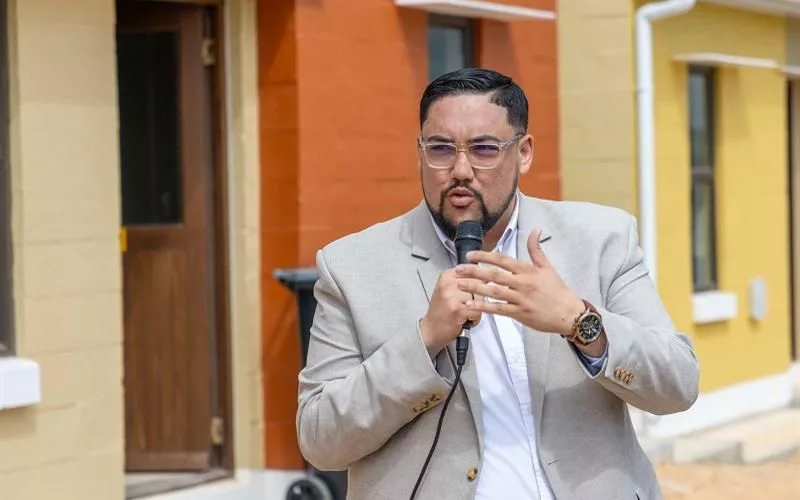
Councillor Carl Pophaim, the Mayoral Committee Member for Human Settlements, conveyed his condolences to the victims of the purported fraud. He stressed that city projects never necessitate beneficiaries making any payment to be included on a list or receive a property. Moreover, he advised residents to consult official city administration offices if they have concerns.
Pophaim also appealed to individuals with knowledge about fraudulent housing activities to contact him directly, guaranteeing anonymity. To receive complaints and tips from the public, an email account (MMCHumanSettlements@capetown.gov.za) has been established.
The city’s Human Settlements Directorate, dedicated to supporting vulnerable residents, is a top-performing organization focused on exemplary service delivery, clean governance, and sound financial practices. The city has consistently obtained unqualified audits since 2006, demonstrating its commitment to upholding high standards.
Impartial Assessment and Allocation Policy
To determine beneficiary eligibility in all its projects, including the Mfuleni Extension 2 venture, the city applies an unbiased evaluation process. The Housing Needs Register and the City’s Allocation Policy function as objective instruments to ensure an equitable and independent allocation process.
Encouraging Anonymous Reports: A Call to Action
Consistent with the city’s efforts to combat fraud and corruption, anonymous tips can be submitted via phone (0800 00 6992) or email (SSIMS.SSIUReporting@capetown.gov.za). This allows the public to report dubious activities without fear of reprisal.
Looking Ahead: Combating Corruption
The apprehension of the two city officials highlights the city’s unwavering commitment to eradicating corrupt practices within its administration. By focusing on transparency, good governance, and public engagement, the city will continue to work relentlessly to eliminate fraud and corruption, ensuring that those in need receive the assistance they deserve.
In summary, the Mfuleni Extension 2 project serves as an example of the creative solutions that can be employed in housing development. However, the recent scandal also emphasizes the importance of remaining vigilant against fraudulent activities that undermine such initiatives. The city’s response to these events demonstrates its dedication to preserving high standards and safeguarding the interests of its residents, guaranteeing a promising future for housing development.
1. What is the Mfuleni Extension 2 Project and how did corruption impact it?
The Mfuleni Extension 2 Project was a housing development initiative where the city offered plots for qualified beneficiaries to build homes. However, two city officials were arrested for illegally selling municipal plots and deceiving potential buyers, tarnishing the project’s reputation and betraying the trust of those involved.
2. What measures has the city taken to combat fraud and corruption within its administration?
The city is committed to transparency and good governance, ensuring that fraud and corruption are eradicated within its administration. The city uses an impartial assessment and allocation policy, anonymous reports, and objective instruments to ensure an equitable and independent allocation process.
3. What specific charges do the two city officials face, and what is their expected court appearance?
The two city officials face 11 counts of fraud for their illegal sale of municipal plots and deception of potential buyers. They are expected to appear in court to face these charges.
4. How has the city responded to the scandal involving the two city officials?
The city’s Mayoral Committee Member for Human Settlements conveyed his condolences to the victims of the purported fraud. He stressed that city projects never necessitate beneficiaries making any payment to be included on a list or receive a property. The city has also established an email account to receive complaints and tips from the public.
5. What is the Housing Needs Register, and how does it function in the allocation process?
The Housing Needs Register is an objective instrument used by the city to determine beneficiary eligibility in all its projects, including the Mfuleni Extension 2 venture. It functions in the allocation process to ensure an equitable and independent allocation process.
6. How can the public report suspicious activities related to housing development?
The public can report dubious activities related to housing development via phone (0800 00 6992) or email (SSIMS.SSIUReporting@capetown.gov.za) while maintaining anonymity.
7. How long has the city consistently obtained unqualified audits, and what does this demonstrate?
The city has consistently obtained unqualified audits since 2006, demonstrating its commitment to upholding high standards in service delivery, clean governance, and sound financial practices.
8. What is the city’s approach to combating corruption in the future?
The apprehension of the two city officials highlights the city’s unwavering commitment to eradicating corrupt practices within its administration. The city will continue to work relentlessly to eliminate fraud and corruption, ensuring that those in need receive the assistance they deserve.