The Urban Mobility Directorate in Cape Town is asking citizens to share their opinions on proposed traffic reduction plans, including speed humps, pedestrian crosswalks, and elevated intersections in high-density areas. The initiative aims to improve neighborhood road safety and promote public participation through email, online entries, or written submissions. The City of Cape Town’s commitment to creating a safer and more inclusive urban mobility structure is evident through this community-led initiative.
Express Your Views on New Traffic Solutions in Central Cape Town: Learn about the proposed traffic reduction plans and ways to participate in this community-led initiative to improve neighborhood road safety in Cape Town. This includes the construction of speed humps, pedestrian crosswalks, and elevated intersections in high-density areas. Share your opinions and contribute your ideas through email, online entries, or written submissions. Cape Town’s commitment to creating a safer and more inclusive urban mobility structure is evident through this initiative.
As a new day dawns in the lively heart of Cape Town, the Urban Mobility Directorate is reaching out to the city’s inhabitants. The Directorate is calling for the central region’s citizens to partake in a robust discussion about prospective traffic mitigation initiatives in their respective neighborhoods. This laudable endeavor will remain open for public comment until Wednesday, 24 April 2024.
The Proposed Traffic Improvements
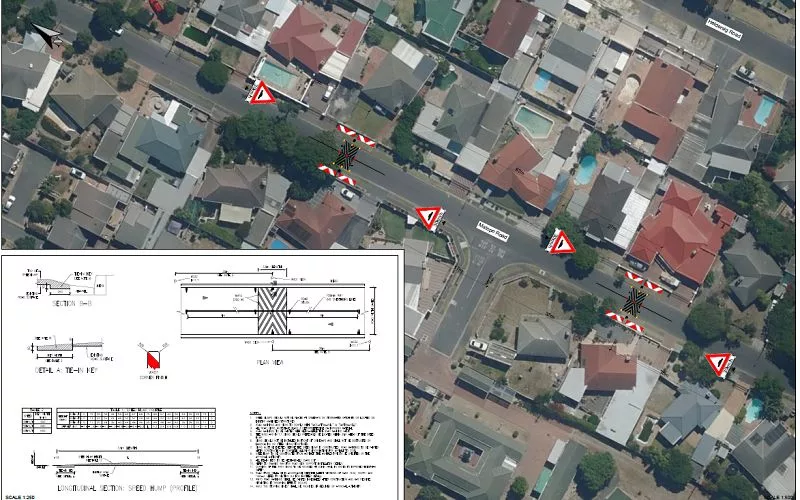
The proposed traffic reduction plans include various strategies such as the construction of speed humps, the establishment of elevated intersections, and the creation of pedestrian crosswalks. These inventive solutions aim to establish a balance between pedestrian and vehicle traffic, focusing predominantly on high-density areas.
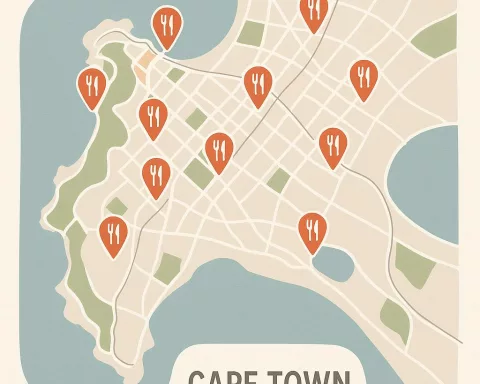
The locations pinpointed for these initiatives span the varied terrain of the Mother City, including Gardens, Table View, Tamboerskloof, Thornton, Maitland, Milnerton, District Six, and Vredehoek. The realization of these projects across all locations, however, depends on the available funding.
Councillor Rob Quintas, the City’s Mayoral Committee Member for Urban Mobility, emphasizes the critical role of traffic mitigation strategies in improving neighborhood road safety. Quintas particularly highlights their value in school vicinities where there’s a high concentration of vulnerable road users. He strongly believes in public participation in this endeavor, encouraging citizens to review the project maps and freely voice their views and contributions.
Ways of Participating in the Initiative
For those who wish to contribute to this community-led initiative, Cape Town offers several channels for submitting comments, suggestions, or input. The City encourages participation through email at UrbanMobility.CT@capetown.gov.za, online entries at www.capetown.gov.za/haveyoursay, or written submissions to the Public Participation Unit at the Civic Centre. Requests for new traffic mitigation measures are also welcome through the respective sub-council offices situated in Saxonsea, Atlantis, Central Square, Pinelands, and Wale Street, Cape Town.
In an effort to promote inclusivity, the City also offers support for individuals who may face challenges in providing written feedback. This includes those who cannot read or write, people with disabilities, and other disadvantaged groups. Special assistance is accessible at local libraries in Table View, Tamboerskloof, Kensington, Maitland, Rugby, and Vredehoek.
The Broader Implications of the Proposed Measures
In an era where cities are constantly trying to increase pedestrian accessibility, Cape Town’s proposed traffic mitigation measures are trailblazing. Not only do they aim to enhance pedestrian safety, but they also aim to cultivate a sense of civic duty among the residents. As members of this community, it’s essential to embrace this chance to influence the city’s traffic environment and make it more accommodating for everyone.
For additional information, you can reach the City of Cape Town’s call centre on 0860 103 089, or follow @CityofCTAlerts on Twitter.
Cape Town’s Commitment to Urban Mobility
Illustrating the nature of a vibrant city, Cape Town continually refashions its urban landscape. This initiative serves as proof of the City’s pledge to provide a safer and more inclusive urban mobility structure.
In summary, the people of Cape Town have a unique opportunity to shape their city’s future traffic policies. By engaging in this initiative, residents can voice their concerns, contribute their ideas, and help create a safer, more inclusive city for all.
What are the proposed traffic reduction plans in Cape Town?
The proposed traffic reduction plans in Cape Town include strategies such as the construction of speed humps, the establishment of elevated intersections, and the creation of pedestrian crosswalks in high-density areas to improve neighborhood road safety.
Which locations are targeted for traffic reduction plans in Cape Town?
The locations targeted for traffic reduction plans in Cape Town include Gardens, Table View, Tamboerskloof, Thornton, Maitland, Milnerton, District Six, and Vredehoek.
How can citizens contribute to this community-led initiative for traffic reduction plans in Cape Town?
Citizens can contribute to this community-led initiative for traffic reduction plans in Cape Town through email, online entries, or written submissions to the Public Participation Unit at the Civic Centre. Requests for new traffic mitigation measures are also welcome through the respective sub-council offices situated in Saxonsea, Atlantis, Central Square, Pinelands, and Wale Street, Cape Town.
What assistance is available for individuals who may face challenges in providing written feedback for traffic reduction plans in Cape Town?
Special assistance is accessible at local libraries in Table View, Tamboerskloof, Kensington, Maitland, Rugby, and Vredehoek for individuals who may face challenges in providing written feedback for traffic reduction plans in Cape Town, such as those who cannot read or write, people with disabilities, and other disadvantaged groups.
What are the broader implications of the proposed traffic reduction plans in Cape Town?
The proposed traffic reduction plans in Cape Town aim to enhance pedestrian safety and cultivate a sense of civic duty among the residents. It is an opportunity for residents to shape their city’s future traffic policies and make it more accommodating for everyone.
How can I reach the City of Cape Town for additional information?
For additional information, you can reach the City of Cape Town’s call center on 0860 103 089, or follow @CityofCTAlerts on Twitter.