
Filmmaker Captures Rare Images of Knysna Forest’s Last Elephant Cow

1 min read
elephant conservation ecosystem restoration

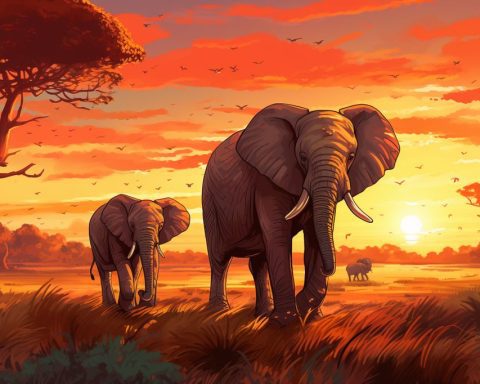
Wilderness explorer and filmmaker Ryan Davy stumbled upon the last surviving elephant cow in Knysna Forests, known as Oupoot, the Matriarch, or Strangefoot. After years of rumors and blurry surveillance footage, Davy embarked on a 12-week search to find this elusive figure.

Importance of Elephants in the Ecosystem

Elephants play a crucial role in the ecosystem by clearing thick vegetation, fostering new life, and allowing light to reach the forest floor. Without them, the ecosystem suffers, as is currently the case in Knysna Forests. Davy aimed to raise awareness about the importance of a herd of elephants in the area and alleviate the loneliness of the solitary female elephant, as social interaction is crucial to the species.

Newsletter

Stay Informed • Cape Town

Get breaking news, events, and local stories delivered to your inbox daily. All the news that matters in under 5 minutes.

Join 10,000+ readers
No spam, unsubscribe anytime

Encounter with Oupoot

After covering 15 to 20 kilometers daily and trekking during full moon nights, Davy finally encountered Oupoot up close. Rather than causing panic, Davy chose to let her slip away silently to avoid any potential harm she might inflict upon herself while fleeing. Davy was in awe of Oupoot’s magnificence and recognized the importance of her survival.

Advocating for Restoration of the Ecosystem

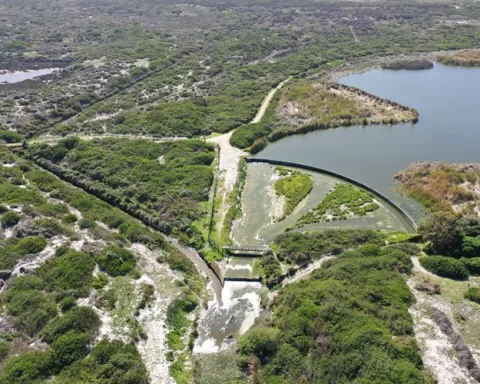
Davy advocates for the reintroduction of a herd of elephants to the Knysna Forests’ ecosystem, much like the successful reintroduction of wolves in Yellowstone National Park. This reintroduction would help control the overgrowth of invasive species and restore balance to this natural haven.

Criticism by SANParks

Although SANParks criticized Davy’s tracking methods, they confirmed that his pictures indeed showed the elusive Knysna elephant. SANParks prefers non-invasive tracking methods, using remote cameras to monitor the elephant’s movements without disturbing her. However, they are open to discussions with Davy about the best approach moving forward.

Hope for the Future

Liam Fortuin is a Cape Town journalist whose reporting on the city’s evolving food culture—from township kitchens to wine-land farms—captures the flavours and stories of South Africa’s many kitchens. Raised in Bo-Kaap, he still starts Saturday mornings hunting koesisters at family stalls on Wale Street, a ritual that feeds both his palate and his notebook.

Leave a Reply

Your email address will not be published.

Previous Story

The Parole of Alison Botha’s Attackers: A Chilling Reminder of a Gruesome Past

Next Story

Cape Town: A Thriving Hub for Investment and Economic Growth

Latest from Blog

Dawn, Dirt and Dinner: A Willowvale Kitchen Without Walls

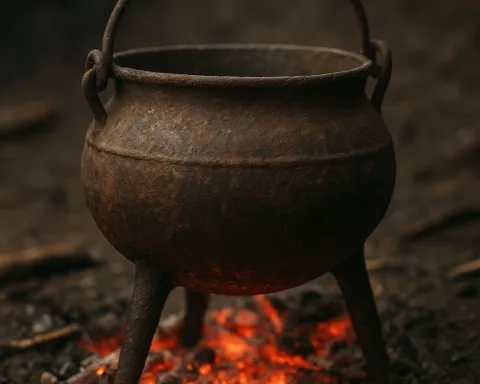
In Willowvale, farmers cleverly plant in manurefilled pits to save water and feed the soil. They also build special ditches to catch rainwater, making sure not a single drop goes to waste. Cooking happens outdoors, over crackling fires, using fresh food grown right there. They even turn old things into new cooking tools. It’s all about living close to the earth and making every bit count, showing a deep love for nature.

Cape Town Quietly Rewrites the Rules Between Tradition and the State

Cape Town is cleverly changing how it supports traditional initiation camps. They now treat these camps like temporary city areas, providing water, toilets, and trash pickup. This helps keep everyone safe and healthy, using smart data to track everything. It’s a quiet revolution, making sure old traditions fit smoothly into modern city life, and other cities are starting to notice this clever plan.

South Africa Plays Hardball on Hoof-and-Mouth: A Five-Year Blitz to Reopen R7 Billion in Beef Trade

South Africa is launching a massive fiveyear plan to crush FootandMouth Disease for good. They’re upgrading labs, getting tons of vaccines, and working with villages to tag and track every animal. This tough new strategy, backed by big money, aims to reopen a R7 billion beef trade with countries like China and the EU. They’re using strict rules, new tech, and even special meetings with local leaders to make sure no sick animal slips through. It’s a fullon war to protect their cattle and bring back their valuable beef exports!

South Africa’s Gateways in November 2025: 3,1 Million Footprints in 30 Days

In November 2025, South Africa saw a massive 3.1 million people cross its borders. This huge number of visitors, especially 2.37 million noncitizens, made it the busiest November for foreign entries since before COVID hit in 2019. It was like a river of people flowing in, showing how popular South Africa had become again.