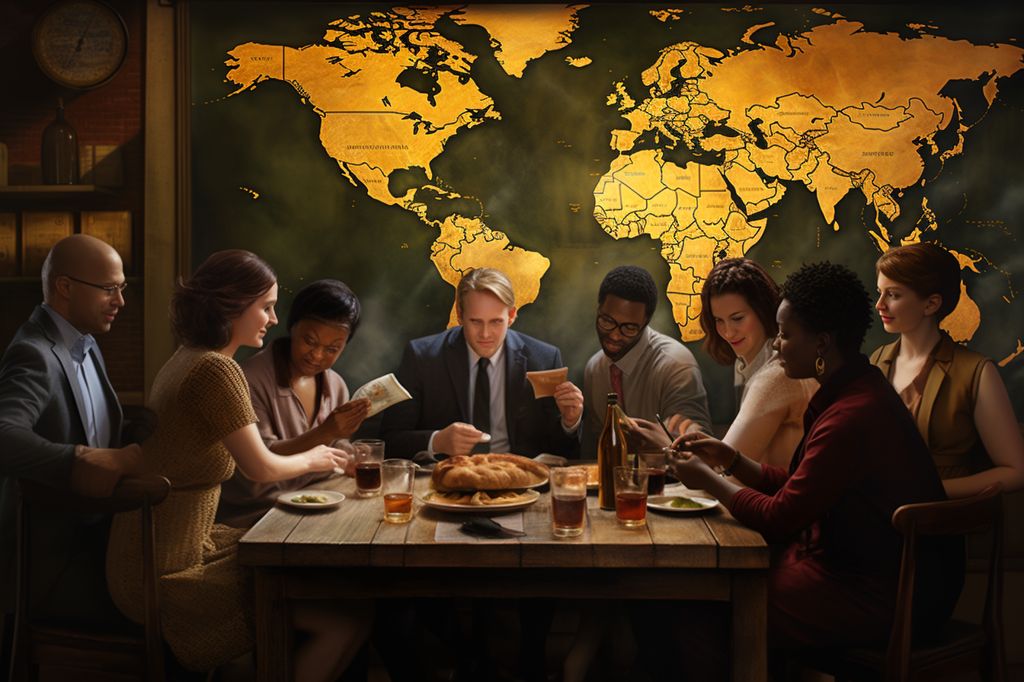
The Food Dialogues programme is an annual event that brings together a diverse group of individuals who have a critical role in shaping our food landscape. This unique initiative aims to foster a healthier, more resilient, and just food system for our collective well-being. By focusing on intimate discussions about the food we eat and the future of our nourishment, Food Dialogues provides an unparalleled opportunity for engagement.
Challenging Conventional Perspectives
Food Dialogues challenges conventional perspectives and delves into the complexities of our food system. This initiative sparks fresh ideas and encourages open-mindedness, even when confronted with dissenting opinions.
Addressing the Polycrisis Facing Our Food System
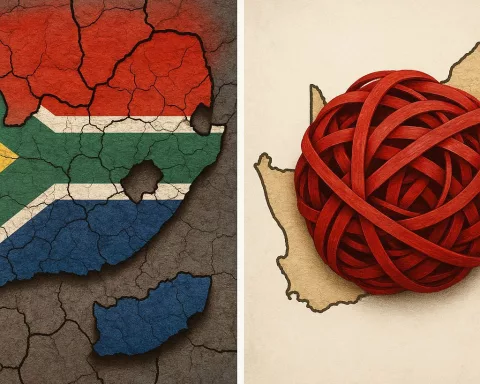
A highlight of Food Dialogues 2023 is the exploration of the polycrisis facing our food system. As we emerge from a global pandemic and grapple with issues such as load shedding, potential water scarcity, climate change effects, and the possibility of natural system shocks, it becomes imperative to strengthen our food systems against these challenges.
Captivating Culinary Experience
This year’s programme features a captivating culinary experience that emphasizes the stories behind our food choices. Engaging with chefs and uncovering the ‘why’ and ‘where’ of our food, participants gain a deeper understanding of the cultural, social, and environmental dimensions that shape our eating habits.
Community Involvement
In line with its commitment to community involvement, Food Dialogues concludes its programme with a Mandela Day event on 18 July. By empowering local communities and promoting inclusivity, Food Dialogues seeks to inspire positive change on a grassroots level.
Pan African Online Conference
Food Dialogues 2023 introduces a groundbreaking addition to its programme – the Pan African Online Conference. Leveraging the power of digital platforms, this event facilitates connections not only within Africa but also on a global scale. Through the online conference, diverse perspectives, knowledge, and experiences converge, fostering meaningful change and transcending geographical boundaries.
Art Exhibition
In collaboration with 16 on Lerotholi Gallery, the Food Dialogues programme presents an art exhibition curated by Mpilo Ngcukana. Showcasing works by esteemed artists, the exhibition invites visitors to explore the intersection of art and food, creating a captivating dialogue through visual expressions.
A Platform for Diverse Voices
Food Dialogues 2023 offers an extraordinary platform for diverse voices to converge, exchange ideas, and envision a more sustainable and equitable food system. By actively involving stakeholders from all walks of life, the programme recognizes that transformative change necessitates a holistic understanding of our food landscape.
Reshaping Our Food System
Through thoughtful and meaningful conversations, we can reshape our food system, ensuring its sustainability, resilience, and inclusivity for generations to come. As Jane Battersby, Associate Professor at the African Centre for Cities, UCT, emphasizes, “The Food Dialogues provided a space to engage deeply in the complexity of the Cape Town food system. They refused to have a single story.”