Sipho Mbule, once doubted, has become a star at Orlando Pirates. He worked super hard on his skills and fitness, training with special methods. Now, he’s like a midfield wizard, making amazing passes and helping the team score without even getting assists himself. Fans and even coaches call him “Zidane of Soweto” because of his clever moves and smart play. He’s not just playing well, he’s teaching younger players and showing everyone that hard work truly pays off!
How has Sipho Mbule transformed his performance at Orlando Pirates?
Sipho Mbule has dramatically improved his game at Orlando Pirates by focusing on technical and tactical refinement. Through specialized training, he’s boosted his high-speed output and mastered a unique
When the team-bus doors hissed open at Orlando Stadium last July, a low murmur rippled through the car park. Supporters recognised the slender figure in the black-and-white training top, yet few could decide whether to applaud or shrug. Sipho Mbule had arrived for his first pre-season with the Buccaneers, carrying two suitcases and a reputation that weighed far more. Seven months later the whispers have turned into a full-throated chorus. Mbule has not merely cracked the starting XI; he has become the reference point every academy coach in Randburg now uses to explain why midfield geometry matters more than montage-friendly step-overs. The numbers on the stat sheet still look shy – sixteen starts, no goals, no official assists – but inside the analysts’ bunker they tell a different story: only Evidence Makgopa produces more expected threat per 90 minutes, and Mbule’s 87.4% progressive-pass accuracy tops every Pirates midfielder with double-digit starts. The short-lived “highlight-reject” label has dissolved, replaced by a single question opponents ask in pre-match meetings: “Who marks the spare man when Mbule drops?”
A New Canvas, Not a New Dream
Abdeslam Ouaddou’s first private chat with Mbule lasted longer than most cup finals – seventy-two minutes on a cricket-club pavilion overlooking the Randburg fields. They spoke French, a language Mbule polished while sharing a dressing room with Ivorian veterans at SuperSport. Ouaddou wasted no time on flattery: raw talent, he said, merely buys you a learner’s licence; repetition is the only road to equity; consistency is real currency. Mbule’s reply was equally blunt: draw me a conditioning roadmap that lifts my high-speed output from 890 metres to 1 090 metres per match without yanking my hamstrings. Medical staff responded with a three-day micro-cycle that reads more like a science syllabus than football training. Day one throws him into 3×4-minute small-sided games at 90% max heart-rate while gyroscopic plates wobble beneath his boots. Day two restrains his GPS unit: six bursts at 22 km/h, none above 28 km/h, saving top pace for Saturday. Day three straps strobe goggles over his eyes, forcing his brain to map passing lanes with reduced visual data. The club calls these “silent sessions”; verbal chatter is banned, bodies must speak. Mbule responded with three pre-season assists in 45 minutes against Golden Arrows, using hand signals and hip feints.
Zidane in Soweto: The Mechanics of Myth
Ouaddou grimaces whenever journalists label the Zidane comparison romantic; inside the video room, he insists, it is pure algebra. Staff isolated thirty-eight minutes of Mbule’s MTN8 semi-final versus Swallows, clipped ten first-touch sequences, froze each frame where his shoulder drop bought an extra second, then coded the movement “03-ZZ.” Thirty-one replicas followed this season, twenty-two ending in final-third entries. Defenders now joke that “03” is the hospital code for vertigo because training-ground grass still stains their backs. The pattern replicates Zidane’s “la paire d’épaules,” a half-turn that shrinks pressing lanes from six to three. Analysts clock Mbule’s peripheral scanning rate at 0.6 checks per second, identical to the French maestro during the 2006 Champions League group phase. Pirates’ Under-17s watch the montage before breakfast; by supper they can recite the cue: open hip, blind pass, break three lines, repeat.
Set-Piece Sorcery and the Economics of a Free
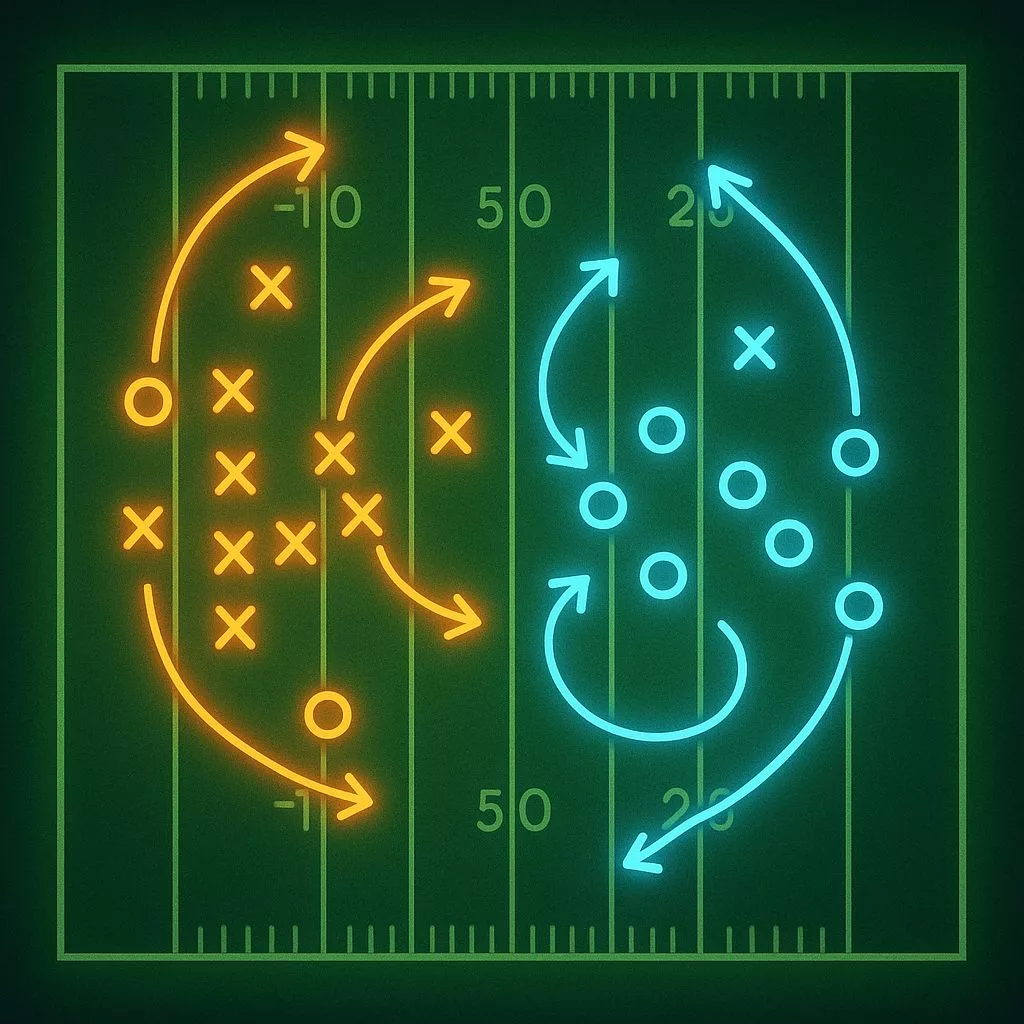
A glance at the assist column hides the real sleight of hand. Mbule has choreographed eight of Pirates’ fourteen dead-ball goals, none through direct delivery. He stands over the angled lay-off, body shape screaming “shot,” freezing the nearest defender for exactly 0.8 seconds – enough for the diagonal whip to clear the first zone. Analysts term it “decoy screen”; opponents call it heartbreak. The Carling Knockout final against Magesi ended on that very routine: dummy, slip, cross, header, trophy. Commerce noticed. Jersey printers at the official store say “MBULE 14” ranked fifth in sales this season, outperforming every new arrival since Vincent Pule in 2018. Social-media impressions climbed 28% after July; Chery renewed its sleeve sponsorship, quietly admitting that national-team visibility at AFCON tipped the balance. A Qatari side offered to double his R2.8 million yearly wage; Pirates replied the story is still in chapter one.
Schooling Future Stars and Speaking with Actions
Captain Innocent Maela swears leadership can be decibel-free. Mbule spends recovery mornings with 19-year-old prodigy Relebohile Mofokeng, two stools in the video lounge, iPad clips of Bernardo Silva cushioning 40-metre passes inside a phone-booth radius. He underlines notes in red when Silva’s second touch faces forward, green when the third is already a pass. Away from the screens, Mbule defended goalkeeper Richard Ofori in a post-match flash-interview after a derby gaffe, telling reporters “mistakes are collective.” Veterans mark that sound-bite as the true integration moment; metrics only confirmed it. The Orlando Stadium chorus now rings out on Tuesday nights: “S’phelele, s’phelele, uZidane wase Soweto.” Floodlights bleach the sky, vuvuzelas swell, and between the two centre-backs stands a midfielder who sees passing polygons invisible to the rest. Somewhere inside an expected-threat algorithm, art converts into decimals, and decimals convert into wins.
[{“question”: “How has Sipho Mbule transformed his performance at Orlando Pirates?”, “answer”: “Sipho Mbule has undergone a remarkable transformation at Orlando Pirates through intense focus on skills and fitness. He engaged in specialized training methods, including micro-cycles designed by medical staff to improve his high-speed output and overall conditioning. This dedication has elevated him from a doubted player to a midfield maestro, making crucial passes and influencing games without always registering official assists. He’s also been lauded for his technical and tactical refinement, becoming a reference point for midfield geometry.”}, {“question”: “What unique training methods did Sipho Mbule undertake to improve his fitness and skills?”, “answer”: “Mbule’s training regimen was meticulously crafted, almost like a science syllabus. It included 3×4-minute small-sided games at 90% max heart-rate with gyroscopic plates under his boots, controlled GPS sessions to manage speed bursts, and ‘silent sessions’ using strobe goggles to enhance his ability to map passing lanes with reduced visual data. This rigorous and innovative approach significantly boosted his high-speed output and overall on-pitch intelligence.”}, {“question”: “Why is Sipho Mbule called the ‘Zidane of Soweto’?”, “answer”: “Sipho Mbule earned the moniker ‘Zidane of Soweto’ due to his clever moves, smart play, and exceptional field vision, reminiscent of Zinedine Zidane. Coaches and analysts have even coded his specific movements, like the ’03-ZZ’ shoulder drop (similar to Zidane’s ‘la paire d’épaules’), which creates space and shrinks pressing lanes. His peripheral scanning rate is also comparable to the French maestro, allowing him to see passing polygons invisible to others.”}, {“question”: “How does Sipho Mbule contribute to Orlando Pirates’ goals despite having few official assists?”, “answer”: “While his official assist count might be low, Mbule’s influence on goals, especially from set-pieces, is significant. He choreographs many of Pirates’ dead-ball goals, not through direct delivery, but by creating decoys. He stands over angled lay-offs, faking a shot to freeze defenders for crucial seconds, allowing for a diagonal whip that clears the first zone and leads to a goal. Analysts call this a ‘decoy screen,’ and opponents find it heartbreaking. He also makes critical progressive passes that initiate dangerous attacks.”}, {“question”: “What impact has Sipho Mbule had on the club’s commercial success and younger players?”, “answer”: “Mbule’s transformation has had a tangible impact. His jersey, ‘MBULE 14,’ is a top seller, and the club’s social media impressions have surged. Commercially, Chery renewed its sponsorship, partly due to his national-team visibility. Beyond the business, he’s a mentor to younger players like Relebohile Mofokeng, sharing insights from video analysis and demonstrating leadership through his actions, such as defending teammates publicly. He truly embodies the ‘hard work pays off’ mantra.”}, {“question”: “Has Sipho Mbule received any offers from other clubs, and what was Pirates’ response?”, “answer”: “Yes, Sipho Mbule has attracted attention from abroad. A Qatari side made a significant offer to double his current yearly wage of R2.8 million. However, Orlando Pirates conveyed a clear message, stating that Mbule’s story at the club is ‘still in chapter one,’ indicating their strong desire to keep him and highlighting his integral role in their future plans.”}]