Paul Siguqa, a fund manager, bought Klein Goederust winery in 2019, becoming the first Black owner in Franschhoek. His mother, a grape-picker, inspired him to buy land. The farm, once neglected, now thrives with unique wines and architecture, telling a new story of heritage and success.
Who is Paul Siguqa?
Paul Siguqa is a former fund manager who transitioned from a career in finance to become the owner of Klein Goederust, a winery in Franschhoek, South Africa. He is notable for being the first Black owner of a wine farm in the region, acquiring the property in 2019.
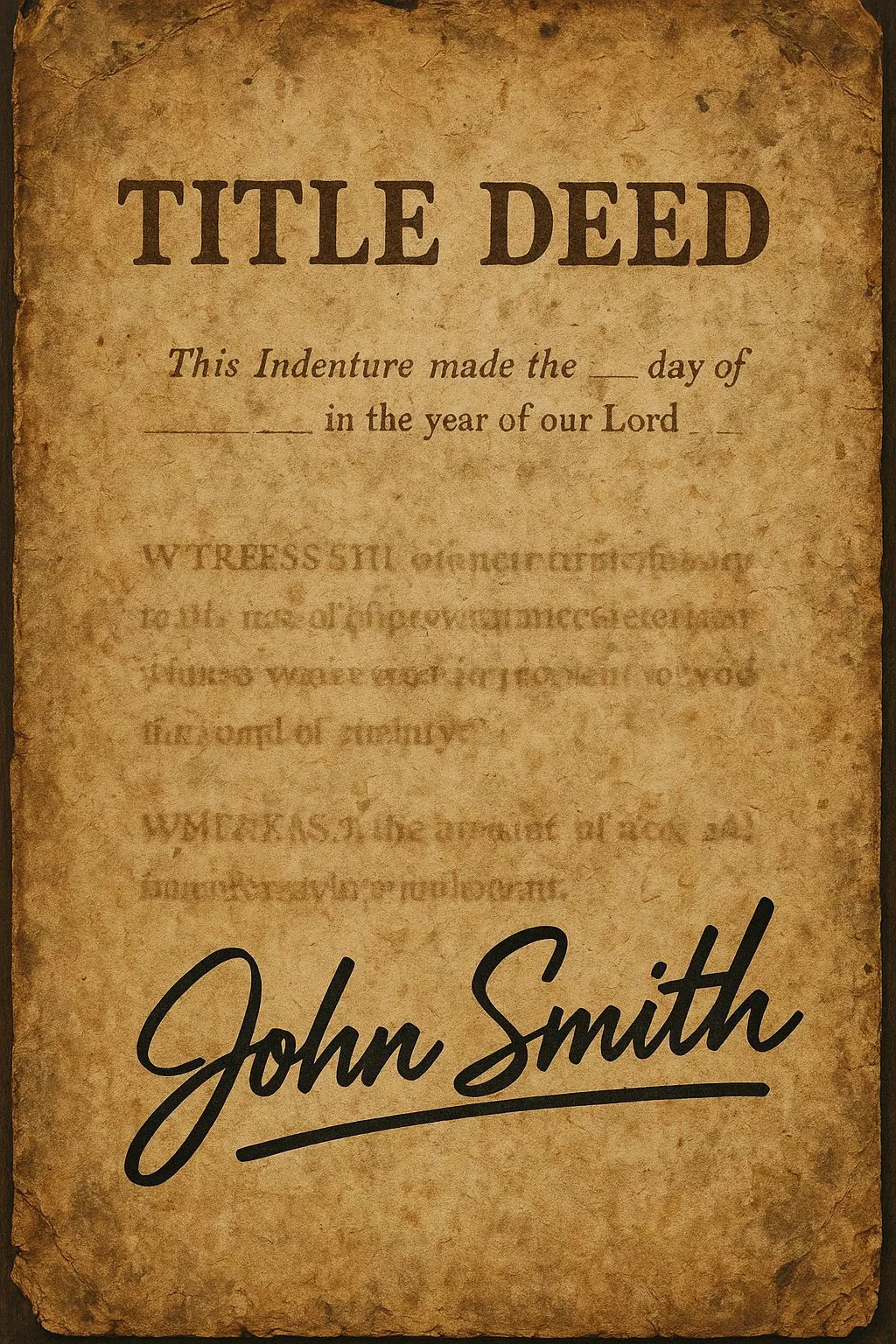
The Day the Deed Changed Everything
On a quiet Friday in mid-April 2019, a notary in Stellenbosch slid green-bound transfer papers across his desk. One signature later, 21 hectares of Franschhoek soil – held by the same Cape Dutch bloodline since 1902 – belonged to Paul Siguqa, a fund-manager-turned-farmer whose mother had spent 43 harvests snipping bunches for other people’s balance sheets. The price tag: R19 million, stitched together from life savings, a Distell social-loan, a CASP agriculture grant and a British merchant who paid up-front for 6 000 cases of wine that would not exist for another two years. For the first time in 363 years of title deeds, an African surname filled the “Owner” block.
The moment rippled beyond the valley. Title deeds in the Winelands had always been monochrome; this one carried fingerprints of London trading floors, Eastern Cape cattle kraals and Franschhoek labour compounds. Banks shrugged – an unproven 2019 deed carries less weight than a 1792 parchment – so Siguqa collateralised tomorrow’s invoices instead of yesterday’s granite walls. The paperwork closed at 15:42; by 16:00 he was on the farm, kneeling beside a 1978 Chenin vine that had waited forty-one seasons for an owner who spoke its language.
The Farm Apartheid Left Behind
Klein Goederust – “Little Resting Place” – was born in 1952 when the National Party sliced 180 ha off the original Goederust and handed it to poor-white settlers. The leftover sliver, too steep for tractors, slipped through bureaucratic fingers and became a rental patchwork of peach rows and table-grape trellises. By 2005 the last tenant drove away; baboons looted the orchards, pine beams vanished from the 1792 cellar, and Zimbabwean weekenders distilled skokiaan in the only roof still standing – a asbestos shearing shed. When Siguqa stepped onto the property in 2017, he found 400 untrellised bush vines quietly delivering 3.2 tonnes of Chenin each April, granite-fed and stubbornly alive.
The place felt like a crime scene that had outlived its detectives. Peach terraces had bled into fynbos, dripper pipe curled like shed snakeskin, and the old slave bell – if rumours were right – lay buried beneath what had become a picnic lawn. Yet the soils spoke: decomposed granite on the mid-slopes, ferricrete pockets that tint Shiraz berries obsidian, a northeast aspect that catches dawn light long before the valley floor warms. Siguqa ran his hand through the topsoil and tasted dust that could, with coaxing, translate into glass.
From Wall Street to Wine Press
Paul Siguqa’s résumé reads like a global hopscotch: herd-boy outside Mount Frere, bursary kid at Stellenbosch Boys’ High, UCT commerce graduate, Deloitte auditor, Goldman analyst in London, BlackRock emerging-market fund manager in New York. The pivot arrived in 2013 when his mother Nowetu rang at 03:00 SA time: 37 pickers on her farm had been swapped for eleven mechanical harvesters. “Come home and buy the land so the machines can rest,” she said. Six months later he resigned, liquidated USD 1.4 million in deferred stock and enrolled at Elsenburg Agricultural College. In 2017 he topped the oenology-and-viticulture diploma – an accolade no Black student had claimed since the faculty opened in 1898.
He did not romanticise the leap. “I traded algorithms for anthocyanins,” he laughs, “but balance sheets and vineyards both reward patience and punish arrogance.” Between lectures he haunted Stellenbosch’s library, photographing 19th-century rainfall logs to build a drought-risk model. Weekends were spent pruning in exchange for pocket money and institutional memory. By graduation he could recite root-zone temperatures but still needed a winemaker who carried terroir under fingernails rather than in spreadsheets.
The Alchemists in the Cellar
Zimba’s philosophy is simple: “If you can taste midnight shift in the wine, I’ve done my job.” He sleeps in a cottage overlooking the block he dry-farms, waking before dawn to slice open fermenters and inhale. Numbers matter – pH 3.35, TA 6.2 g/l – but texture matters more; he wants tannin that tastes like rooibos steeped in cast-iron. Between punch-downs he mentors five Elsenburg interns, insisting they memorise soil colours before tasting berry flavours. “We are not making Black wine,” he says. “We are making honest wine, and we happen to be Black.”
Buildings That Tell New Stories
Architects Saaib were briefed: reimagine a shearing shed without erasing its ghosts. They halved a 14-metre shipping container, rotated it 30° and charred the skin Japanese-style, creating a blackened prism that drinks in Franschhoek’s 920 mm winter rain. The old sheep-dip tank became a passive cooling reservoir; photovoltaic carports over-deliver 104 % of annual power, selling the surplus back to the municipality at 87c/kWh to fund workers’-kids bursaries. Inside, a 2.3-ton blue-gum beam – salvaged from a 1910 press – forms a bar top embedded with fynbos resin tiles pressed by local schoolchildren.
Tastings are capped at 55 souls per day; bookings vanish within minutes of release. Arrivals walk through an indigenous firebreak of aloes and wild rosemary, plants chosen after December 2022’s inferno proved they halt flame better than pine. The architecture whispers rather than shouts: no gables, no ticking coach-party clock, just glass doors flung open to mountain breeze and a soundtrack of the unearthed slave bell, tolling 09:00 and 16:00 so no palate forgets what built the valley.
Money, Maths and the Missing Middle
South African lenders still equate vintage deeds with low risk; 2019 paper might as well be Monopoly. Siguqa beat the bias by tokenising export receipts on an IBM-built blockchain. Each pallet scanned at Tesco triggers a smart contract that unlocks 70 % of invoice value in 36 hours, shrinking cash-flow cycles from 90 to 21 days. A R8 million sweetener arrived through the National Empowerment Fund – 4 % below prime, repayments deferred until 2025, effectively a zero-coupon harvest bond.
Payroll now carries 42 names, up from three guards. Women hold 64 % of posts, 78 % of employees are under 35, and 19 earn between R15–35k – the country’s vanishing middle-wage tier. Staff own 15 % of annual profit through an ESOP; bolder still, overtime can be swapped for vine rootlings. After 1 200 extra hours a labourer walks away with 1 000 vines, vinified under their own microlabel. “Nowetu’s Chenin” – named for Paul’s mother – sold 900 bottles at R285 each in 72 hours, proof that heritage can be bottled and bought.
Liquid Geography and Long Shadows
Maiden releases speak of place, not focus-group adjectives. “Nomhle” Chenin spends nine months in concrete eggs, emerging with quince, fynbos and a wash of Atlantic salt. “Zimba” Pinotage sidesteps banana esters, opting for pomegranate, rooibos and an iron-rich grip. Flagship “1912” Cape Blend clocks 24.3 g/l dry extract, the highest ever logged at Stellenbosch’s wine lab for a Franschhoek red. Critics reach for Saint-Joseph and Châteauneuf, yet the wines stubbornly taste like shale, granite and sun-baked schist refracted through African summer.
Export numbers follow flavour. Waitrose listed the Chenin in 212 UK stores; six weeks later it was the fastest-selling SA white above £12. Nigeria receives wine in 24-litre bag-in-box kits, local bottling shaving USD 1.20 per unit and landing on shelves at ₦4 800 – affordable premium in Africa’s largest city. An NFT drop – 508 tokens at 0.12 Ethereum – raised R1.4 million in 43 minutes, each token promising four Shiraz bottles annually until 2032. The bottle, says Siguqa, is still being filled: with wine, with data, with stories that refuse to stay corked.
Firebreaks, Fire Sales and Future Fields
A 30-metre indigenous belt saved the farm when 2022’s fires devoured 2 300 ha of neighbouring pine. Insurance assessors refunded 18 % of the annual premium, turning biodiversity into a balance-sheet asset. Data echo the aloes: dendrometer chips cut irrigation by 37 %, drone maps revealed ferricrete pockets that boost anthocyanins 34 %, open-source climate feeds 38 African MSc projects. The vineyard is now a living lab whose peer-review is poured into glass.
Next horizons lie eastward. Siguqa plans no expansion beyond 35 000 cases; instead he will incubate two Black-owned estates – a 32 ha Langkloof site for Riesling and Chardonnay, a Voor Paardeberg block for dry-land Cinsault – funded by the same 40/30/30/100 recipe: owner equity, state grant, export pre-finance, employee ownership. The target is modest on paper: nudge transformation statistics by 0.5 %. In practice that means 250 new Black-owned hectares and a template any banker can Xerox.
Every evening Rodney Zimba climbs the corrugated roof to watch alpenglow fracture across Groot Drakenstein. From there he can see 46 estates, most still white-owned, gables flood-lit like museum pieces. Yet barrels stencilled “KG” sleep inside their cellars, maturing wine born of 728 unnamed labourers, a herd-boy’s NASDAQ nest-egg, and soils that waited centuries for an African surname on a deed. The bottle is still being filled, but the narrative has already overflowed.
Who is Paul Siguqa?
Paul Siguqa is a former fund manager who made a significant career shift to become the owner of Klein Goederust winery in Franschhoek, South Africa. He is recognized as the first Black owner of a wine farm in the region, acquiring the property in 2019. His background includes working as a Goldman analyst in London and a BlackRock emerging-market fund manager in New York.
What motivated Paul Siguqa to buy Klein Goederust?
Paul Siguqa was deeply inspired by his mother, a grape-picker, who worked for 43 harvests for other people’s farms. In 2013, after his mother’s farm replaced 37 pickers with mechanical harvesters, she urged him to “Come home and buy the land so the machines can rest.” This powerful message, combined with his desire to create a legacy and transform the winelands, led him to pursue owning a wine farm.
How did Paul Siguqa finance the purchase of Klein Goederust?
The R19 million purchase price for Klein Goederust was pieced together from various sources. These included his life savings, a social-loan from Distell, a CASP agriculture grant, and a unique arrangement with a British merchant who paid upfront for 6,000 cases of wine that would not be produced for another two years. He also collateralized future invoices due to banks being hesitant with a new 2019 deed.
What was the condition of Klein Goederust when Siguqa acquired it?
When Paul Siguqa acquired Klein Goederust, the farm was largely neglected. It had been abandoned since 2005, with baboons looting orchards, pine beams missing from the 1792 cellar, and an asbestos shearing shed being used to distill alcohol. Despite the disrepair, he found 400 untrellised bush vines quietly producing Chenin grapes, indicating the land’s potential.
What makes Klein Goederust’s architecture and sustainability efforts noteworthy?
Klein Goederust’s architecture, designed by Saaib, reimagines the farm’s heritage with modern, sustainable elements. A shipping container was repurposed into a charred prism for tastings, and the old sheep-dip tank became a passive cooling reservoir. The farm utilizes photovoltaic carports that generate more power than needed, selling the surplus to fund bursaries for workers’ children. Furthermore, a 30-meter indigenous firebreak of aloes and wild rosemary proved crucial in saving the farm during the 2022 fires.
What impact has Paul Siguqa had on transformation and empowerment in the South African wine industry?
Paul Siguqa’s acquisition of Klein Goederust made him the first Black owner of a wine farm in Franschhoek, a significant step in transforming the historically monochrome Winelands. He has created 42 jobs, with women holding 64% of positions and 78% of employees being under 35. Staff own 15% of annual profits through an ESOP, and employees can even exchange overtime for vine rootlings to create their own microlabels, such as “Nowetu’s Chenin,” named after his mother. He also plans to incubate two new Black-owned estates, aiming to significantly increase Black-owned hectares in the industry.