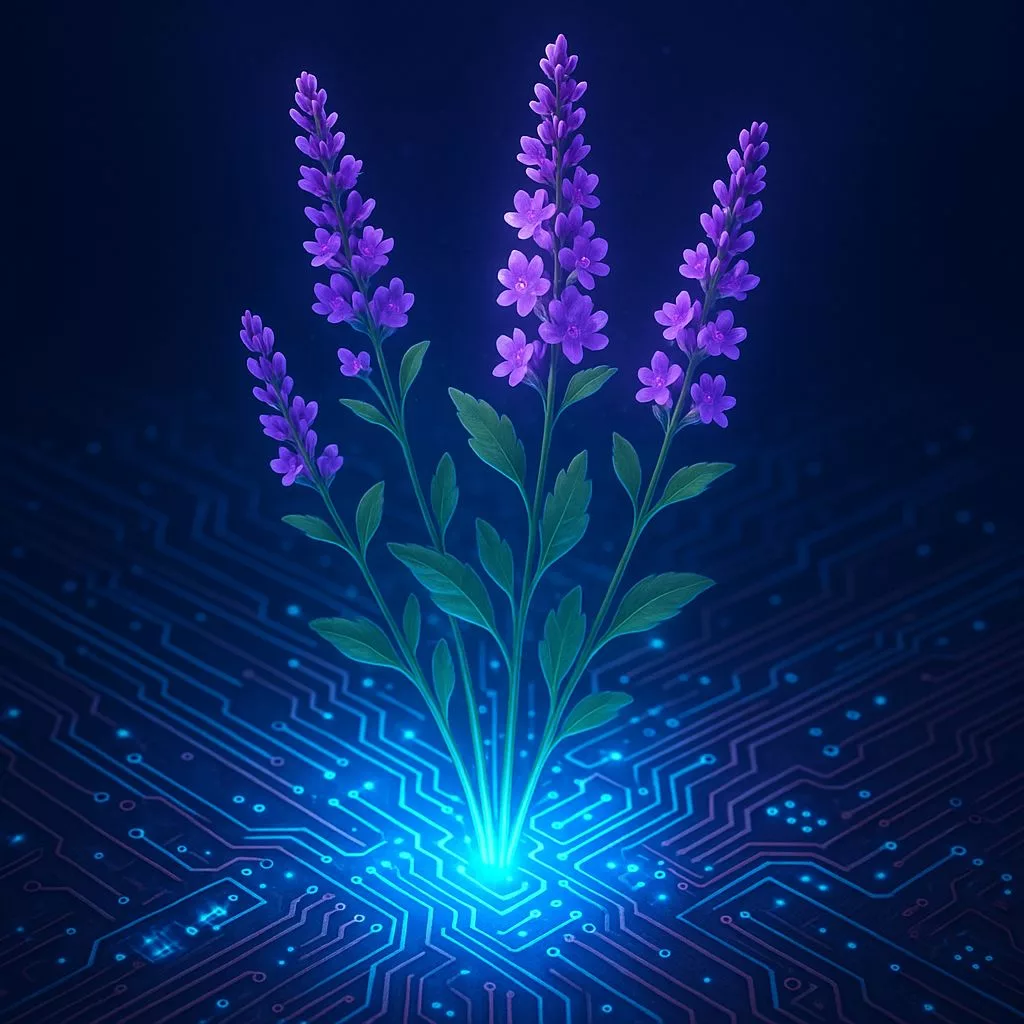
Four South African teens stormed the Bali Science Fair, showcasing incredible innovations. Wium Van Niekerk created a lavender-based bio-fungicide that outsmarted billion-rand fungi. Ismaail Hassen’s “Walk-Man” gave shoulders eyes for the visually impaired, spreading freedom of movement. Milla Vorster crafted 3D-printed heart valves from cow tendon, while Dzunisa Chauke’s AI bot became a truth defender against fake voices. These young minds not only won top awards but are now poised to revolutionize their fields, proving that ingenuity knows no bounds.
What innovative projects did South African teens showcase at the Bali Science Fair?
South African teenagers presented four innovative projects: a lavender-based bio-fungicide, a shoulder-mounted obstacle sensor for the visually impaired, a 3D-printed heart valve, and an AI bot to detect synthetic voices. These projects earned them two gold medals, two silver medals, and the Grand Award at the World Innovative Science Project Olympiad.
1. Road to Bali: How a School Hall Becomes a Launchpad
Every December the corridors of South African high schools echo with the usual chatter about holiday plans. This year, however, four teenagers were busy packing Arduino boards, citrus peels, and a cooler box that looked suspiciously medical. They were not sneaking off on a secret vacation; they were the national squad headed to the World Innovative Science Project Olympiad in Bali. Entry is by invitation only – individual applications are ignored – so the country’s largest school-level fair, run by Eskom, doubles as the only gate. Out of 6 700 hopefuls who survived regional heats, only four received the navy blazer stitched with the springbok and protea.
The last hurdle was an October showdown in Boksburg where judges – half university professors, half power-station engineers – ranked every exhibit on three yardsticks: novelty, repeatability, and whether it solves a problem ordinary people lose sleep over. A mint-scented crop spray beat grey-water gadgets because post-harvest rot drains one-point-two billion rand a year. A shoulder-mounted obstacle radar trumped a drone that maps potholes, largely because drones cannot land on most township streets. Once the blazer buttons were polished, the rookies were marched through a diplomatic crash course: how to pronounce “terima kasih,” how to defend statistics to strangers, and how to translate Ubuntu into “I succeed if you succeed” before the elevator doors open.
So, when the aircraft wheels lifted off OR Tambo, the delegation’s luggage held more than circuit boards. It carried a lavender brew that had already beaten a commercial fungicide, a cane that vibrates when signboards jut out, a 3-D-printed heart valve the colour of fresh biltong, and an app that spots fake voices on WhatsApp. Four kids, one teacher, and a faint perfume of the Cape winelands were bound for the humid side of the Indian Ocean.
2. Lab Coats among Rice Terraces: Inside the Competition Arena
Mid-December Bali smells of frangipani, clove incense, and teenage adrenaline. Nusa Dua’s conference centre morphed into a pop-up science city: one aisle smelled like a Provencal market, another buzzed like an arcade, a third was dark enough for eye-tracking demos. Over four days 1 400 learners from 42 nations rotated between poster boards, power outlets, and judges who asked mean questions with a smile. The Indonesian education minister opened the show with a warning: “Outside it’s thirty-three degrees, but the planet’s problems burn even hotter.” The South Africans took the line as a personal dare.
Wium van Niekerk set up next to a Japanese team growing lettuce under laser light. Every time a judge lifted the lid of his petri dish, a puff of lavender escaped, winning curious glances before a single slide was shown. Ismaail Hassen strapped volunteers into what looked like a gym heart-monitor; within seconds the wearer flinched as motors buzzed against collar bones, proof that shoulders can “see.” Milla Vorster’s cooler box drew crowds who thought they were staring at jerky, then learned it was a living valve that pulsed under a mini turbine. Dzunisa Chauke’s stall was the loudest: a Telegram bot shouting “human!” or “synthetic!” every time a new voice note arrived. By the closing dinner the SA table had collected two golds, two silvers, and the tournament’s overall Grand Award – hardware no South African had ever hoisted.
3. Lavender with a Brain: Outsmarting a Billion-Rand Fungus
Wium’s father is a plant doctor for vineyards; dinner talk often drifts toward fungicide failure. Instead of yawning, the teenager raided university archives and discovered lavender popping up in nineteenth-century crop diaries. Two years and twenty-eight distillations later he had an oil whose chemistry he knew better than his own handwriting. A microwave zap – ninety seconds at six-hundred watts – boosted the plant’s volatile weapons by almost a fifth, enough to beat the lab standard carbendazim. Field tests on Valencia oranges cut fungal spoilage by two-thirds and left zero chemical burn, the export manager’s dream.
Judges in Bali, however, wanted shelf life. Wium countered with microscopic capsules made from maize lignin; they sit on the fruit skin like time-release beads and burst only when a fungal enzyme shows up. In plain words, the spray stays asleep until an intruder knocks. Biostatistics were merciless: less than a one-in-a-hundred chance the result was fluke. The panel handed him the gold, then added the Grand Award for “excellence across creativity, rigour and global relevance,” the first time the flag and anthem have enjoyed that particular spotlight.
Now back in Stellenbosch, Wium is negotiating with a commercial packhouse for a thirty-degree heat-and-humidity trial. If the beads survive a Durban summer, lavender may replace the very chemical that helped fungi grow resistant in the first place. Not bad for a science fair project that began because a fourteen-year-old eavesdropped on his dad.
4. Shoulders that See, Valves that Beat, Bots that Hear
Ismaail Hassen calls his invention “Walk-Man,” not for the old cassette player but because the user literally walks better. Four cheap ultrasonic sensors and an Arduino Nano stitched into a harness create a bubble two metres wide; anything that pierces the bubble is translated into vibrations on the left or right collar bone. Blindfolded volunteers bumped into obstacles only half as often and walked almost a third faster than with a standard cane. When Indonesian students tried it, the feedback crossed language barriers: a buzz is a buzz. Ismaail uploaded the code the same night, tagging it UbuntuTech because, he says, “freedom to move should be shared like communal land.”
Milla Vorster swapped lamb-chop marinade for medical breakthrough. Watching her father tenderise meat with an enzyme, she wondered if the same trick could soften heart valves enough to print them. Pepsin-treated cow tendon became a shear-thinning ink that stays liquid in the syringe yet sets at body temperature. Encapsulated stem cells survived the ordeal, began to dance like heart muscle when coaxed, and did it all inside a valve printed on a hobbyist printer. Six identical valves later, the coefficient of variation was a mere 4.3 % – pharma-grade repeatability. Kyoto University noticed, offering her a summer bench at its stem-cell institute.
Dzunisa Chauke’s village gets electricity in six-hour chunks, enough to charge one phone and spark a mission to defend truth. After seeing a deepfake of Barack Obama hawking an energy drink, he taught himself signal processing under a solar LED strip. His script hunts for tell-tale regularities that machine voices leave every 12.5 milliseconds; human vocal cords are simply too sloppy. Deployed as a Telegram bot, the tool flagged 96 % of forged clips in trials, even when compressed to village-level bandwidth. A Jakarta e-commerce giant slipped him a business card, hinting that fraud detection may soon speak Pedi as fluently as it speaks code.
5. What Happens After the Medals Land in a Drawer
Homecoming is a crash landing. Within seventy-two hours Wium sat through a Monday lecture on sock colour while reeking of essential oil. Ismaail discovered his cousin had borrowed Walk-Man for beatboxing, requiring a full recalibration. Milla’s valve waits in a cooler for ethics clearance, so she distracts herself teaching mitosis to Grade 9s. Dzunisa’s headman wants the bot to referee marital spats; a Pedi-language module is now in beta. Their WhatsApp group buzzes at 2 a.m. with reminders that lavender capsules still need a tropical stress test and that someone should upload the corrected Arduino library.
Eskom, often blamed for darkness, bankrolled the whole adventure with a fraction of its social-spend budget. The utility keeps first dibs on any patent filed before university, then waives rights so graduates can roam free – a quiet strategy to plug the brain drain. The four medallions have already spawned three provisional patents, and venture capital is circling like moths around a porch light.
For those still lining up in school corridors, the 2024 Eskom Expo is open for video abstracts until 31 March. Categories now stretch from ethno-botany to aerospace, plus – thanks to Bali – AI ethics. Saturday workshops in Soweto, eMalahleni and Queenstown will teach statistics, poster layout, and enough Indonesian to say “good morning, judge.” Who knows: next December the clove-scented air of Bali may carry a hint of Karoo dust, Rooibos steam, or whatever clever idea South African teenagers decide to stuff in their suitcases this time around.
What innovative projects did South African teens showcase at the Bali Science Fair?
South African teenagers presented four innovative projects: a lavender-based bio-fungicide, a shoulder-mounted obstacle sensor for the visually impaired, a 3D-printed heart valve, and an AI bot to detect synthetic voices. These projects earned them two gold medals, two silver medals, and the Grand Award at the World Innovative Science Project Olympiad.
How do South African students qualify for the World Innovative Science Project Olympiad?
Entry to the World Innovative Science Project Olympiad in Bali is by invitation only. South African students qualify by excelling at the country’s largest school-level science fair, run by Eskom. Out of thousands of hopefuls who survive regional heats, only a select few are chosen to represent the nation, based on the novelty, repeatability, and problem-solving potential of their projects.
What was unique about Wium Van Niekerk’s lavender-based bio-fungicide?
Wium Van Niekerk developed a lavender oil-based bio-fungicide that, when zapped with a microwave, showed a significant boost in its chemical effectiveness. It outperformed the commercial fungicide carbendazim in lab tests and reduced fungal spoilage in field tests on oranges by two-thirds without causing chemical burn. He also engineered microscopic capsules from maize lignin to provide a time-release effect, only activating when a fungal enzyme is present, ensuring a longer shelf life and targeted action.
How does Ismaail Hassen’s “Walk-Man” assist the visually impaired?
Ismaail Hassen’s “Walk-Man” is a harness equipped with four ultrasonic sensors and an Arduino Nano. It creates a two-meter bubble around the user, and any object that breaches this bubble is translated into vibrations on the left or right collar bone. This allows visually impaired users to detect obstacles, leading to a significant reduction in collisions and an increase in walking speed compared to using a standard cane.
What material did Milla Vorster use for her 3D-printed heart valves?
Milla Vorster ingeniously used pepsin-treated cow tendon to create a shear-thinning ink for her 3D-printed heart valves. This material remains liquid in the syringe for printing but sets at body temperature. Encapsulated stem cells within these valves survived the printing process and demonstrated the ability to mimic heart muscle activity, showcasing the potential for functional, bio-compatible implants.
What is the purpose of Dzunisa Chauke’s AI bot and how does it work?
Dzunisa Chauke’s AI bot is designed to detect synthetic voices (deepfakes) and defend against misinformation. It works by analyzing voice notes for tell-tale regularities that machine-generated voices exhibit every 12.5 milliseconds, which are absent in the more ‘sloppy’ human vocal cords. Deployed as a Telegram bot, it demonstrated a 96% accuracy rate in flagging forged clips, even under low-bandwidth conditions, making it a valuable tool for fraud detection and verifying audio authenticity.