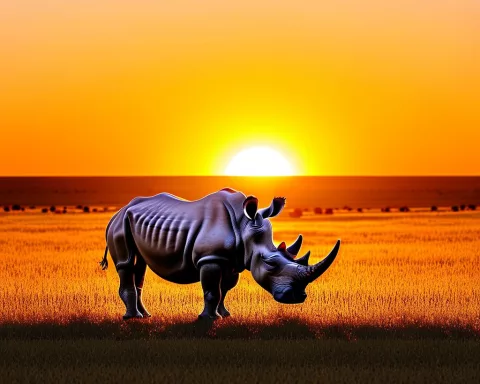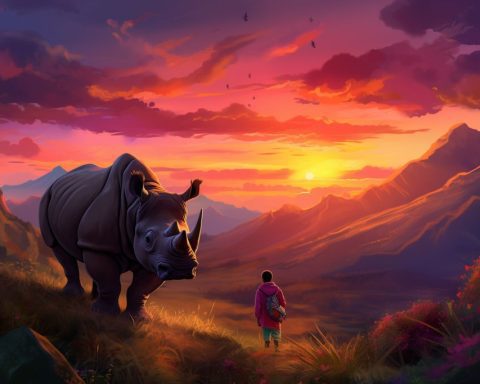

Mackenzie Knott climbs some of South Africa’s highest mountains to help orphaned rhinos. These young rhinos, left without mothers because of poaching, need lots of special milk to survive. By taking on tough challenges like the 13 Peaks Challenge, Mackenzie raises money to buy milk and care for them. Her climbs turn fitness into a powerful way to protect these vulnerable animals and inspire others to join the fight. Every step she takes helps give rhino calves a chance to live and grow strong.
Who is Mackenzie Knott and how does she support South Africa’s orphaned rhinos?
Mackenzie Knott raises awareness and funds for South Africa’s orphaned rhinos by combining endurance climbing with conservation. Through challenges like the 13 Peaks Challenge, she helps raise money to provide vital milk and care, supporting rhino calves affected by poaching and maternal rejection.
At Dawn’s Edge: A Climber’s Quest for Wildlife
As the soft rays of dawn sweep over the contours of Table Mountain, Mackenzie Knott emerges, a lone figure etched against stone and sky. Her silhouette, moving with determined grace, marks the intersection of adventure and advocacy. Knott’s mission rises far above personal achievement; she channels her love of mountains into a campaign that merges endurance sport with the urgent need to protect South Africa’s orphaned rhinos.
Knott draws inspiration from legendary naturalists and explorers, those for whom wild places represented both challenge and inspiration. Yet her journey is distinctly modern—one that fuses personal conviction with activism, and athletic grit with compassion for vulnerable wildlife. Her story threads together the demands of ultra-distance climbing with the heartbreak facing South Africa’s rhino calves, many left motherless by poachers or abandoned in the wild.
Representing Fit 4 Rhinos, Knott lends her voice and endurance to a cause that seeks to confront dual crises—illegal poaching and the lesser-known tragedy of maternal rejection. South Africa’s rhino numbers have long suffered under pressure from illegal hunting and habitat loss, but the plight of calves separated from their mothers adds a poignant urgency. These young rhinos illustrate both the fragility of the species and the extraordinary efforts required for their survival.
Orphaned Rhinos: A Crisis in Numbers and Compassion
The struggle to save South Africa’s rhinos comes wrapped in sobering statistics. Across privately managed reserves, organizations like Rhino Connect NPO shoulder the responsibility for approximately 8,000 rhinos. Among them live numerous orphans, calves whose lives now revolve around bottles and caretakers rather than their families. The reality is stark: each calf needs up to 21 litres of milk every day, a figure that underscores both their vulnerability and the logistical challenges facing their human guardians.
Supplying this milk becomes more than just an act of sustenance—it symbolizes hope. Every feeding stands as a quiet rebellion against the greed that drives poaching and the indifference that allows it to persist. Conservationists, often operating with limited funding, must stretch each resource to ensure these calves have a chance at life. For every young rhino saved, countless hours and resources have been poured into their care, making every successful rearing a hard-won triumph.
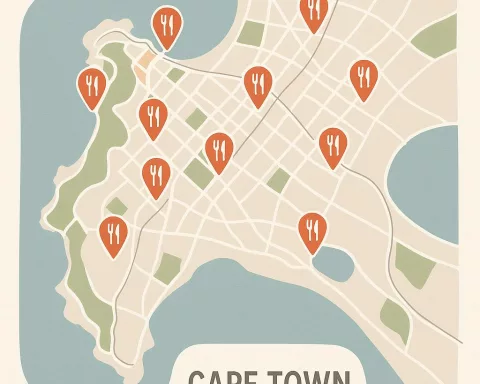
Knott experiences this crisis firsthand, her connection deeply rooted in both passion and purpose. She sees mountains not just as obstacles to overcome, but as spaces where transformation is possible. “Raising funds for Rhino Orphans so that milk can be bought to feed them. My passion has always been the mountains and animals. I intend to make a difference by attempting my fifth 13 Peaks Challenge,” Knott explains. This challenge, which covers some of Cape Town’s most iconic summits, demands both physical stamina and mental endurance. Through her climbs, she aims to raise R20,000, enough to supply vital nourishment for the orphans. Her campaign’s hashtag, #rememberthemilk, reverberates across social media, underscoring the core mission with striking simplicity.
Fitness with a Purpose: A Model for Modern Conservation
Every training session, every ascent, becomes an opportunity for Knott to unite athleticism with altruism. Her daily ritual of lacing trail shoes and tackling rough terrain transforms into a living metaphor for the uphill struggle faced by both conservationists and the calves they protect. This integration of sport and service harks back to philosophies like the Arts and Crafts movement, where the practical and the beautiful joined forces for shared goals. In Knott’s world, physical exertion is inseparable from empathy, motivating others to contribute, participate, and advocate.
Liezl Schoeman, founder of Fit 4 Rhinos, envisioned this model of activism—one that combines innovative thinking with practical solutions. Moving physical milk to a network of remote, often unprotected reserves introduces risks from both logistical mishaps and criminal interference. Schoeman’s approach channels donations through a trusted platform (GivenGain), allowing for centralized purchasing and secure distribution. This efficient system lowers the chances of theft or waste, and every litre of milk matches the nutritional needs of rhino calves as closely as possible.
By forging partnerships with fitness communities—runners, cyclists, swimmers, and CrossFit enthusiasts—Fit 4 Rhinos adds a new dimension of meaning to athletic pursuits. Instead of chasing personal bests alone, these athletes now run, ride, and train for a larger purpose. “Our goal is to promote fitness with purpose, reaching out to those involved in fitness disciplines such as swimming, biking, running, and CrossFit,” Schoeman says. In this model, every mile travelled, every summit reached, becomes an act of stewardship.
Building a Movement: From Individual Action to Community Change
Events like the annual Rhino Run briefly spotlight the crisis, but often leave only temporary awareness in their wake. Fit 4 Rhinos, however, aims to weave a lasting network of supporters who combine athletic ambition with advocacy. The initiative taps into a growing segment of people who seek more from fitness than medals—they want to be part of something meaningful, to forge connections that extend beyond the finish line.
The camaraderie built on the mountainside takes on a transformative power of its own. Schoeman remembers climbing with Knott on Little Lion’s Head and Suther Peaks, where she witnessed Knott’s unwavering determination. “Mackenzie is an absolute superstar, her determination for our cause is unwavering. I had the privilege of joining her last year for the Little Lion’s Head and Suther Peaks. To see that tiny body scrambling fearless up and down those mountains is just heart-warming.” This shared effort, small figures against the vast wilderness, captures the spirit of collective action in conservation.
Knott’s campaign also connects to a broader historical context. The late twentieth century saw the rise of “charismatic megafauna”—lions, elephants, rhinos—as global symbols of environmental crisis and hope. Artists and activists alike have drawn attention to threatened landscapes and species, using their talents to inspire change. Knott, swapping brushes and chisels for trail running shoes, paints her message on the land itself, letting her daily efforts speak on behalf of the voiceless.
Milk, the central focus of these fundraising efforts, carries both practical and symbolic weight. It represents the nurturing required to save the calves and the hope that continuity is possible. In countless cultures, milk signifies care, sustenance, and the ability to carry life forward. When Knott reminds supporters to “remember the milk,” she taps into this universal language, urging empathy and action.
The digital arm of the campaign magnifies its reach. Supporters follow Knott’s progress through Fit 4 Rhinos’ website and the KenzieRuns4Rhinos social media account, engaging directly with her journey. Social media, with its immediacy and global reach, turns every like, share, and donation into tangible progress. This blend of technology and empathy, often studied in the context of digital activism, opens new pathways for involvement and education.
Towards a Compassionate Future: The Lasting Impact
Knott’s efforts take on even greater significance against the backdrop of South Africa’s ongoing conservation battles. Decades of poaching and illegal trade have decimated rhino populations, with orphaned calves bearing deep physical and psychological scars. Without direct human intervention, most would not survive; every successful rescue and care effort becomes a small, hard-fought victory.
The impact of Fit 4 Rhinos stretches far beyond the orphans’ immediate needs. It prompts a rethinking of stewardship—challenging everyone, not just conservation professionals, to take up the call. Knott’s solitary climbs become collective endeavors, transforming individual action into community change. Each summit conquered is less a personal milestone, and more a vantage point from which to envision a future based on empathy and agency.
Those inspired to join or support Knott’s initiative can find more information on the Fit 4 Rhinos website and through the KenzieRuns4Rhinos online platform. Each step up the mountain, each contribution, weaves a stronger bond between athletes, supporters, and the animals whose lives depend on their dedication. The rhythm of shoes on stone echoes a deeper, shared hope—a reminder that meaningful change begins with a single, purposeful stride.
FAQ: Mackenzie Knott’s Climb for South Africa’s Orphaned Rhinos
Who is Mackenzie Knott and how does she support South Africa’s orphaned rhinos?
Mackenzie Knott is an endurance climber and conservation advocate who raises awareness and funds to help orphaned rhino calves in South Africa. She takes on challenging mountain climbs, such as the 13 Peaks Challenge around Cape Town, to fund vital supplies like special milk needed for the survival of rhino orphans left motherless due to poaching. Through her physical efforts, she inspires others to support rhino conservation.
Why do orphaned rhinos need special milk, and how much do they require daily?
Orphaned rhino calves cannot survive without their mothers, who provide essential nutrition through milk. When calves lose their mothers to poaching or abandonment, caretakers must supply up to 21 litres of specially formulated milk daily to meet their dietary needs. This milk is critical for their growth, immune support, and overall survival, making fundraising for milk a vital part of conservation efforts.
What is the 13 Peaks Challenge and how does it relate to rhino conservation?
The 13 Peaks Challenge is an endurance climbing event that involves summiting thirteen of Cape Town’s highest mountains in a continuous effort. Mackenzie Knott uses this physically demanding challenge to raise funds and awareness for orphaned rhinos. By linking her athletic pursuits to conservation, each climb helps generate money to provide milk and care, making fitness a tool for wildlife protection.
How does Fit 4 Rhinos facilitate conservation through fitness and fundraising?
Fit 4 Rhinos is an organization that combines athletic activities like running, cycling, swimming, and climbing with rhino conservation. They manage donations through a secure platform (GivenGain), enabling centralized purchasing and distribution of milk to remote reserves. This model minimizes risks such as theft and ensures that every litre of milk reaches rhino orphans efficiently. The initiative also builds a community of fitness enthusiasts motivated by purpose beyond personal achievement.
What is the broader significance of Mackenzie Knott’s climbs beyond fundraising?
Beyond raising funds, Mackenzie Knott’s climbs symbolize the uphill struggle of conservation itself, merging athleticism with empathy and activism. Her efforts help build lasting awareness and community engagement, inspiring others to take action for wildlife protection. By sharing her journey on social media and involving supporters, she transforms individual perseverance into collective stewardship for South Africa’s rhinos.
How can people support or get involved in helping orphaned rhinos through Mackenzie Knott’s campaign?
Supporters can follow Mackenzie Knott’s progress and contribute through the Fit 4 Rhinos website and the KenzieRuns4Rhinos social media platforms. Donations help purchase milk and care supplies for orphaned rhinos. Additionally, athletes and fitness enthusiasts can participate in events or campaigns organized by Fit 4 Rhinos, turning their own fitness goals into impactful conservation actions. Spreading awareness using the hashtag #rememberthemilk also helps amplify the message.