In South Africa, ordinary men are rising to tackle the big problem of gender-based violence. They gather in parks, openly talk about their struggles, and bravely face their past mistakes. They’re finding that fixing men’s sadness, joblessness, and old-fashioned ideas about being a man can make a real difference, turning workshops into places where new, better ways of thinking are built.
How can South Africa reduce gender-based violence (GBV)?
South Africa can reduce gender-based violence by addressing male depression, unemployment, and harmful masculinity. Initiatives like the Men’s Indaba, male-focused therapy, and employment programs that link job creation with GBV reduction KPIs, help foster collective accountability and reshape damaging perceptions of manhood.
Section 1: A Park Becomes a Parliament of Men
Lemo Green Park in Bloemfontein has hosted election rallies, church crusades and brass-band competitions, yet nothing prepared the lawns for the scene on the first Thursday of December 2025. Beneath khaki shade-cloth strung between acacia trees, 4 300 males – rock-drill operators still freckled with rust-red dust, tweed-jacketed lecturers, taxi owners in reflective bibs and teenage chess champions still wearing school ties – packed the space knee-to-knee. The 2025 Men’s Indaba marched in without the usual fanfare: no marching bands, no politicians in colour-coded berets, only a single banner that declared “INDABA YAMADODA – SISONKE.” Organisers banned party regalia so that every attendee arrived simply as a man, stripped of union card, church badge or salary grade.
While the park loudspeaker cycled through a cappella versions of “Thuma Mina,” a sealed brown envelope moved quietly to President Ramaphosa. Inside sat the country’s newest crime statistics: sexual-contact offences up 7.3 %, attempted rape climbing 9.1 %. A heat-map on the reverse side looked like a measles chart – scarlet dots crowding migrant hostels, inner-city blocks and peri-uranium settlements. Ramaphosa did not lift the page for the cameras; he slid it under his jacket the way a surgeon hides an X-ray that shows an inoperable mass, aware the crowd already sensed the prognosis.
By mid-morning the gathering resembled a parliament more than a rally. Miners debated fatherhood with doctoral students; gospel DJs queued behind gangsters to register for small-group circles. The only entertainment was testimony: men confessing to slaps they had never apologised for, or to years of silence toward sons they were too embarrassed to greet. No slogans were chanted, yet the park vibrated with a frequency seldom captured by television microphones – the low hum of collective accountability.
Section 2: What the Microphones Heard Before the Indaba
Months earlier, fieldworkers from the University of the Free State hid voice recorders beneath beerhall tables in six Mangaung shebeens. Twelve weeks of tape yielded 1 047 conversations that lasted at least ten minutes; soccer talk accounted for a mere 11 %. Thirty-eight percent orbited the phrase “ukuphuca umqondo” – mood-chasing with booze or weed – and 61 % cracked jokes about “ukuhlola umfazi,” testing a woman’s loyalty through force. One guffawed line, “If she doesn’t cry, how will she know I love her?” ricocheted across four different taverns, revealing violence re-branded as calibration.
At the Indaba, facilitators ditched the shaming label “absentee” and asked instead, “What keeps you from clocking in as a dad?” Miners blamed shift schedules that erase weekends; scholars cited shame over unpaid lobola; one dread-locked DJ muttered, “Her new man blocks my calls.” The exercise proved that behind every cold statistic stands a human algorithm of pride, fear and peer laughter that no government gazette has yet decoded.
Section 3: Depression, Beer Salaries and the Factory Where Women Are Only Topic
Between the food stalls, counsellors from the South African Depression and Anxiety Group stacked completed PHQ-9 forms like church offering envelopes. By 11 a.m., 318 men had ticked boxes; 64 % landed in the moderate-to-severe depression range. A 19-year-old who signed simply “X” scored maximum points on “I feel like a failure every dawn.” He wakes on the third floor of a hijacked Jozi building where 43 “brothers” share two toilets and one kettle. For him, unemployment is an acid bath that dissolves masculine identity until aggression is the only asset nobody can repossess.
Forty kilometres west of the park, a private gold refinery in Welkom has paid workers partly in beer cans for years. Miners sleep fourteen-day stretches in shipping containers, no clinic on site, no HR officer to impress. A 2024 audit found 71 % of employees drinking at harmful levels; auditors did not log how many vendors at the gate swap plates of pap-and-vleis for unrefined gold nuggets and late-night sex. A former employee, now sober, told the Indaba the yard is “a pressure cooker with no women inside, yet every drill-shift ends with fantasies of punishing or avoiding them.” Researchers counted 112 similar single-sex compounds still operating three decades after the migrant-labour system was legally abolished.
The link between bruised masculinity and bruised bodies became fiscal when National Treasury presented an obscure elasticity curve: a 10 % bump in male median earnings predicts a 4.7 % drop in domestic-violence complaints within two years. The driver is respect, not merely reduced stress; when a young man earns peer admiration at work, he has less need to enforce control at home. Treasury officials therefore agreed that future youth-job schemes – such as the planned Solar-Panel Installers Programme – will carry a GBV-reduction KPI co-signed by the ministry of women, making employment bids contingent on shaping non-abusive cohorts.
Section 4: Seeds, Dashboards and the Quiet Workshop Revolution
In 2023, the Free State education department paid unemployed fathers R120 a day to sit under a tree with Grade-9 boys for one hour after the final bell. No syllabus, just vernacular chatter. After eighteen months, boys who attended 80 % of sessions were 31 % less likely to drop out. Asked why, a pupil replied, “I can’t bunk when Sphiwe’s dad greeted me by surname this morning.” The Indaba urged Treasury to scale the model; bean-counters gasped at the R1.4 billion annual bill, then accepted a compromise: graft “tree-time” onto the existing Extended Public Works Programme so that reading a son’s report card becomes wage-earning labour.
Delegates also received a USSD string, 134 2025# , inviting them to pledge one of four deeds: fetch a child from school weekly, book a therapy session, whistle-blow a neighbour’s assault, or teach a boy to read. No names appear on the public dashboard, only district totals. Within 48 hours, 68 412 promises were logged; red zones on the resulting heat-map overlap townships where men’s fracture-clubs already meet for dominoes and career advice, proving that digital nudges stick best where offline solidarity exists.
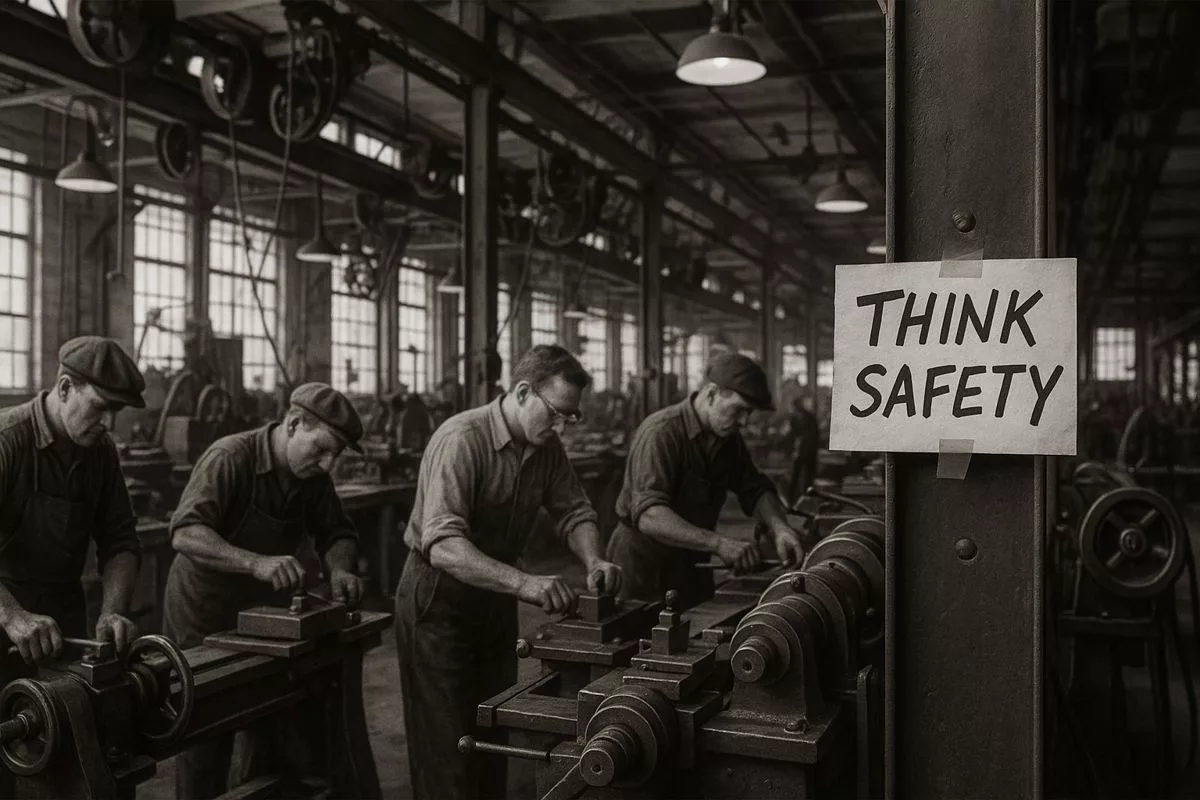
Back in a cramped panel-beating shop in Phuthaditjhaba, 29-year-old foreman Sihle has nailed a scrap of cardboard above the air-compressor: “No jokes about beating girlfriends – R50 fine.” The owner, who attended the Indaba, deducts penalties from wages and matches every rand into a tin for the local daycare. A month later the tin holds R600; more importantly, the apprentice who once bragged about “slapping sense” into an ex now asks Sihle how to file a parenting-plan form. The clatter of hammers reshaping bent metal is, almost incidentally, reshaping bent ideas of what makes a man.
[{“question”: “
What is the core idea behind tackling gender-based violence (GBV) in South Africa, as highlighted by the Men’s Indaba?
\n
The core idea is that addressing deeply rooted issues affecting men, such as sadness (depression), joblessness, and outdated, harmful notions of masculinity, can significantly reduce gender-based violence. The Men’s Indaba and similar initiatives aim to transform these challenges into opportunities for building new, healthier ways of thinking among men, fostering collective accountability, and reshaping damaging perceptions of manhood.
\n
How can South Africa reduce gender-based violence (GBV)?
\n
South Africa can reduce gender-based violence by addressing male depression, unemployment, and harmful masculinity. Initiatives like the Men’s Indaba, male-focused therapy, and employment programs that link job creation with GBV reduction KPIs, help foster collective accountability and reshape damaging perceptions of manhood.
\n
What was the significance of the 2025 Men’s Indaba mentioned in the text?
\n
The 2025 Men’s Indaba was a unique gathering of 4,300 men from all walks of life in Lemo Green Park, Bloemfontein. Its significance lay in its focus on unity and collective accountability, banning political regalia to ensure men attended simply as themselves. It provided a platform for men to openly debate fatherhood, confess past mistakes, and engage in testimonies, creating a space that vibrated with a ‘low hum of collective accountability’ rather than political slogans. This assembly served as a powerful symbol of men actively confronting and discussing issues related to GBV.
\n
What connection did researchers find between men’s mental health, economic status, and gender-based violence?
\n
Researchers found a strong connection between men’s mental health, economic status, and GBV. Studies at the Indaba revealed high rates of moderate-to-severe depression among attendees, with unemployment acting as an ‘acid bath’ that dissolves masculine identity, often leading to aggression. Economically, a 10% increase in male median earnings was predicted to cause a 4.7% drop in domestic violence complaints, suggesting that economic stability and the respect it brings reduce the need for men to exert control through violence. This highlights that addressing male depression and unemployment are crucial in the fight against GBV.
\n
How are harmful attitudes towards women being revealed and addressed in South Africa?
\n
Harmful attitudes towards women are being revealed through various means, such as covert recordings in shebeens, where conversations often revolved around ‘mood-chasing’ and ‘testing a woman’s loyalty through force,’ sometimes even rebranding violence as ‘calibration.’ These attitudes are being addressed by initiatives like the Men’s Indaba, which provide platforms for men to challenge these norms and encourage open discussions about the impact of such mindsets. Furthermore, workplaces like the panel-beating shop in Phuthaditjhaba are implementing fines for jokes about beating girlfriends and fostering environments where men learn healthier ways to resolve conflict and define their masculinity.
\n
What innovative programs are being proposed or implemented to engage men and reduce GBV?
\n
Several innovative programs are being proposed or implemented. One is the ‘tree-time’ initiative, where unemployed fathers spend an hour daily with Grade-9 boys after school, fostering mentorship and significantly reducing dropout rates. This model is being considered for integration into the Extended Public Works Programme, making reading a son’s report card a wage-earning labor. Another is a digital pledge system (1342025#) where men can commit to actions like fetching children from school or whistle-blowing on assaults, demonstrating that digital nudges are effective when combined with existing offline solidarity groups. Additionally, future youth job schemes, like the Solar-Panel Installers Programme, will include GBV-reduction KPIs, linking employment bids to shaping non-abusive cohorts.
\n
How does the concept of ‘workshops into places where new, better ways of thinking are built’ manifest in these initiatives?
\n
The concept of ‘workshops into places where new, better ways of thinking are built’ manifests through the transformation of various spaces and activities. The Men’s Indaba itself served as a large-scale workshop where men collectively debated, confessed, and learned. Individual conversations in parks or small groups, therapy sessions, and even the informal ‘tree-time’ mentorships with young boys act as workshops where traditional, harmful ideas about masculinity are questioned and new, constructive perspectives are fostered. Even a panel-beating shop, by implementing fines for sexist jokes and encouraging men to seek help with parenting, becomes a practical ‘workshop’ where everyday actions reshape attitudes and behaviors, demonstrating a tangible shift from old norms to new, better ways of thinking about manhood and relationships.
“}]