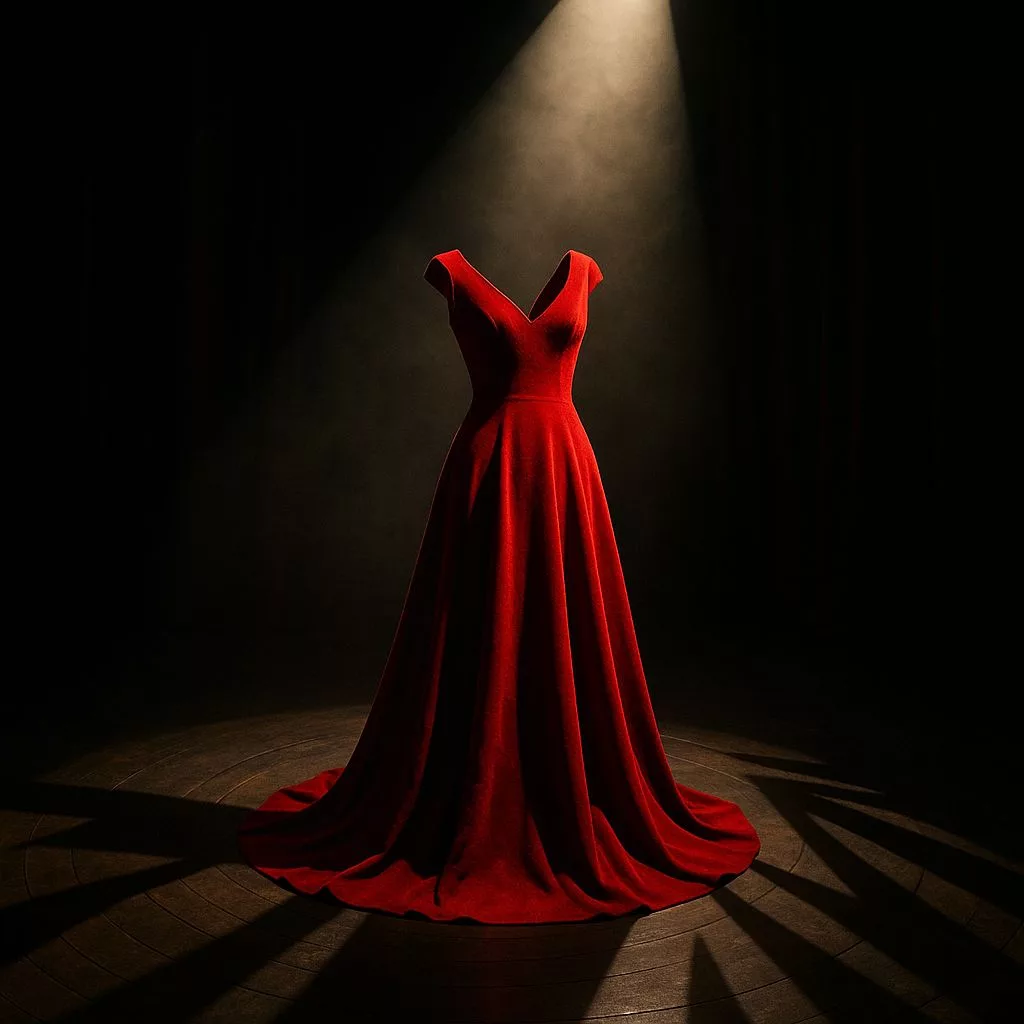
Get ready, Cape Town! “Pretty Woman: The Musical” is coming, but with a vibrant local twist. Imagine the classic love story, but now Vivian Ward is played by a talented local, Leah Mari, and the music pulses with awesome African rhythms like mbira. The fancy Broadway sets are swapped for clever lights and a reflective stage that makes Vivian’s journey even more powerful. Even the story’s dialogue is changed to feel more like South Africa, with Edward gutting a wine empire instead of a shipyard. This isn’t just a show; it’s a new fairy-tale that sparks conversations and even helps local students, showing that this beloved story can shine even brighter in a new home.
How is “Pretty Woman: The Musical” being adapted for its Cape Town premiere?
“Pretty Woman: The Musical” in Cape Town features a localized adaptation with a smaller band incorporating African rhythms like mbira, a reflective stage floor instead of hydraulic sets, and rewritten dialogue to reflect South African contexts, such as Edward gutting a wine empire instead of a shipyard.
1. A Global Fairy-Tale Lands on African Soil
Eight-year-old Leah Mari once balanced on a suitcase in Kraaifontein, squinting at a crackling videotape that showed a flame-haired stranger in thigh-high boots demand respect from a rich man. Fast-forward eighteen years and that same stranger now lives in her throat: Mari will open the 26 March 2026 premiere of Pretty Woman: The Musical at Artscape, becoming the first African Vivian Ward in a production line that began on Broadway and has already winked at Tokyo, Sydney and the West End.
The invitation to South Africa arrived inside a PDF marked “Let’s flip the fairy-tale.” Producer Paula Wagner, who launched the project in 2014 after cornering Bryan Adams and Jim Vallance in a Vancouver studio with the blunt request, “Write the soundtrack the film forgot to have,” wanted a version that smelled of peri-peri dust and Cape sea spray instead of Rodeo Drive exhaust. Three years of demos, guitar tracks and Marshall’s emailed notes later, the score was ready; it only needed a country brave enough to re-dress it in local fabric.
Cape Town answered with fifty singers, dancers and actors who grew up quoting the 1990 film in taxis, taverns and township cinemas. Their rehearsal room on the Foreshore hums with Xhosa clicks, Gauteng twang and the occasional “y’all” picked off satellite television, proof that global pop culture has already done its own dubbing long before the official script arrived.
2. Shrinking the Chandeliers, Expanding the Mirror
Jerry Mitchell’s original staging rode hydraulic escalators and a Swarovski curtain that dropped like an earring from heaven. South Africa can’t freight that glitter; instead associate director Rusty Mowery swapped steel for light, building a lattice of LED tubes that swivel into hotel corridors, boutique racks or an opera box with a fingertip on an iPad. The set’s real star is the floor: a reflective surface that turns Vivian’s every step into a confrontation with her own silhouette.
Leah Mari rehearses in sneakers, but her mind is already inside the red gown. She meets her reflection at centre stage, angles her hip, and watches the floor duplicate the gesture like a reluctant twin. “That image never lets her off the hook,” Mowery explains. “She can’t pretend she’s ‘just a girl from the valley’ when the stage keeps flashing her future back at her.”
Lighting designer Koert van der Wat worked with student volunteers to map exactly how many centimetres a follow-spot must travel before it grazes the orchestra pit. Their solution: QR-coded tape marks that glow under UV key lights, allowing a single operator to herd thirty beams during the fashion-show fantasy “Rodeo Drive” without losing a sequin.
3. New Beats for Old Ballads
Daniel Galloway’s band is smaller than the Broadway pit – six musicians instead of fourteen – but every missing violin has been replaced by groove. The overture begins with a single mbira motif that audiences feel in the sternum before they recognise the Orbison riff it becomes. Adams insisted on keeping his 12-string jangle; Galloway answered by threading a fretless bass line underneath that could only have been born in a Cape Town jazz club at 2 a.m.
Book writer J. F. Lawton, who penned the original screenplay, flew in for two weeks of rewrites. Edward now lands at Cape Town International to gut a family-run wine empire instead of a Los Angeles shipyard, allowing lyrics about “capital” to rhyme with “labour” and references to land claims to slip into what used to be a purely American negotiation of love versus money.
During the sitzprobe inside City Hall – scheduled there to spare the neighbouring Tosca from rock riffs – Mari hit a high B over a horn section that once backed Whitney Houston. Cellists who arrived expecting Verdi found themselves trading fours with a guitarist who cut his teeth on Springsteen covers; the resulting mash-up is already being whispered about as “Viv-di” by local music nerds.
4. Red Dresses, Ride-Hails and Real Life
Outside the theatre, Showtime Management is choreographing an economic miracle: student tickets start at R195, while R895 buys a champagne toast on the Artscape roof and a chance to win a midnight-blue coupé driven home by the cast. Popcorn tubs ask, “What’s your dream?” – the same line Edward uses on Vivian – yet the question now funds two Tshwane University musical-theatre students who will fly to Broadway in 2027 on a bursary seeded by ticket surcharges.
After every Wednesday matinee, the seats empty into a foyer repurposed as a town-hall called “Beyond the Boulevard.” Sex-worker advocates, labour lawyers and teenage fans share the same plank-wood circle; the goal, says publicist Aisha Casira, is to ensure the story’s transactional heart is not merely consumed but debated. The first forum already produced a draft policy brief on safer-streets legislation that will be tabled in provincial parliament later this year.
When the final chord of “Long Way Home” fades, Mari steps to the footlight, red gown catching the LED sunrise, and speaks – not sings – straight to the audience: “This is your life. What are you gonna do with it?” The theatre answers with held breath, the kind of silence that only happens when possibility is suddenly handed back to the people watching. Then the lights snap to black, and Cape Town’s newest fairy-tale belongs, at last, to everyone who came to see it.
What is “Pretty Woman: The Musical” and how is it being adapted for Cape Town?
“Pretty Woman: The Musical” is a stage adaptation of the classic 1990 film. For its Cape Town premiere, it features a localized twist with South African actress Leah Mari as Vivian Ward. The production incorporates African rhythms like mbira into the music, uses clever lighting and a reflective stage instead of elaborate Broadway sets, and has rewritten dialogue to reflect local contexts, such as Edward gutting a wine empire in South Africa instead of a shipyard in Los Angeles.
Who is playing Vivian Ward in the Cape Town production?
Leah Mari, a talented local actress, will be playing Vivian Ward. She is the first African actress to portray Vivian Ward in a production line that has spanned Broadway, Tokyo, Sydney, and the West End.
How does the Cape Town production’s staging differ from the original Broadway version?
Instead of the original Broadway staging’s hydraulic escalators and Swarovski curtain, the Cape Town production uses a lattice of LED tubes that swivel to create different settings. The key element is a reflective stage floor that makes Vivian’s journey more powerful by mirroring her actions and making her confront her own silhouette.
What changes have been made to the music and dialogue to localize the show?
The band is smaller, with six musicians instead of fourteen, and incorporates African rhythms like mbira. Bryan Adams’ original 12-string jangle is still present but now layered with a fretless bass line inspired by Cape Town jazz. The dialogue has been rewritten by original screenwriter J.F. Lawton to include South African references, such as Edward gutting a wine empire and incorporating themes of land claims and local labor.
How does the production contribute to the local community and economy?
Showtime Management has implemented several initiatives, including student tickets starting at R195. A bursary program funded by ticket surcharges will send two Tshwane University musical-theatre students to Broadway in 2027. Additionally, after Wednesday matinees, a town-hall forum called “Beyond the Boulevard” is held, fostering discussions on relevant social issues and even leading to a draft policy brief on safer-streets legislation.
What is the overarching message or impact the Cape Town production aims to achieve?
The production aims to be more than just entertainment; it’s presented as a “new fairy-tale that sparks conversations.” By localizing the story and engaging with the community through initiatives like “Beyond the Boulevard,” the production seeks to make the beloved story resonate deeply with South African audiences, encouraging debate on its transactional heart and empowering individuals by asking, “This is your life. What are you gonna do with it?” It ultimately aims to show that the story can “shine even brighter in a new home” and belong to everyone who experiences it.