Cape Town is known for its stunning natural landscapes, and what better way to explore them than by picking fresh fruit or creating flower arrangements? Fruit and flower picking is a bucket-list activity that offers visitors the chance to spend time outdoors, enjoy budget-friendly experiences, and immerse themselves in the beauty of the surrounding areas.
Best Fruit and Flower Picking Spots in Cape Town
Here are some of the best fruit and flower-picking spots in Cape Town:
Hoogwater Farm:
In the picturesque town of Wolseley near the Breede River, Hoogwater Farm offers various fruits, including apples, nectarines, peaches, pears, and figs. You can eat as much as you want while in the orchards, and the farm is open every Saturday and Sunday from 8 am to 1 pm. The best time to pick nectarines is from November to December, while apples, peaches, pears, and figs are available from January to February. The cost is R60 for adults, R30 for kids under 13, and free for kids under 3.
Jamestown Flower Farm:
Located in Stellenbosch, Jamestown Flower Farm boasts fields of brightly-colored flowers, including dahlias, sunflowers, snapdragons, marigolds, cosmos, and more. You can pick your flowers all year round, and there is a scenic river area where you can rest between flower picking. Prices start from R3 to R15 per stem, and the farm is open from Monday to Friday, 8 am to 5 pm.
Cheverells Farm:
Elgin’s Cheverells Farm hosts apple-picking mornings once a month, offering a guided tour of the orchard, a glass of freshly pressed apple juice, apple picking, and 2 kg of apples to take home. The farm also has a café that serves fresh, seasonal meals. The experience costs R120 for adults and R30 for children under 12, with the next apple-picking mornings scheduled for Saturday, 18 February, Saturday, 18 March, and Saturday, 15 April.
Mooiberge Strawberry Farm:
Known for its excellent strawberry harvests, Mooiberge Strawberry Farm in Stellenbosch allows visitors to pick strawberries under the watchful eyes of giant, colorful scarecrows. The farm also has a stall where you can buy local and imported goods, including Biscoff spread – a must-try! Strawberry picking season is from October to December, and the farm is open on weekends from 9:30 am to 4:30 pm.
Blueberry Bar:
Opened in 2021, the Blueberry Bar in Paarl offers natural and organic blueberries treated with mushroom spray and predator bugs instead of pesticides. Besides blueberries, you can also buy rusks, biscotti, jam, and juice made with the product, and prices for a 500-gram bucket start at R60. The farm is open on weekends from 8 am to 4 pm.
Chart Farm:
Chart Farm in Wynberg is the perfect spot for a sweet date, a catch-up with friends, or a family outing. The rose garden has more than 15 varieties, and 6000 rose bushes, and the farm also offers horse riding and has a café. The cost is R8 per stem if you want to pick your own or R10 for pre-picked roses, and the farm is open daily from 9 am to 4 pm (except during August and September).
Klondyke Cherry Farm:
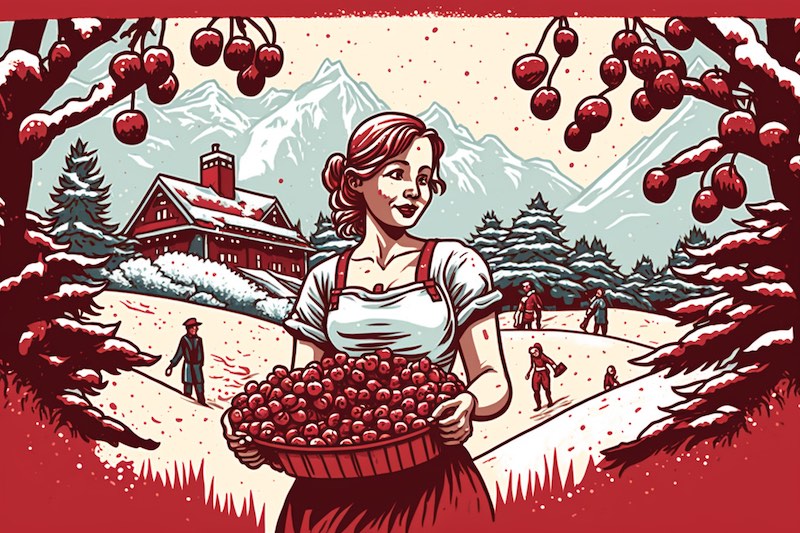
Located in Ceres, the Klondyke Cherry Farm is open year round, offering cherry-picking during the summer and winter snow experiences. The farm also has cottages and camping facilities available. The cherry-picking season is from November to December, and the entrance fee is R40 per adult and R20 per child under 10. Cherries cost R80 per kilogram.
Visit any of these fruit and flower picking spots in Cape Town for a unique outdoor adventure that offers an opportunity to connect with nature and enjoy a fun-filled day out.