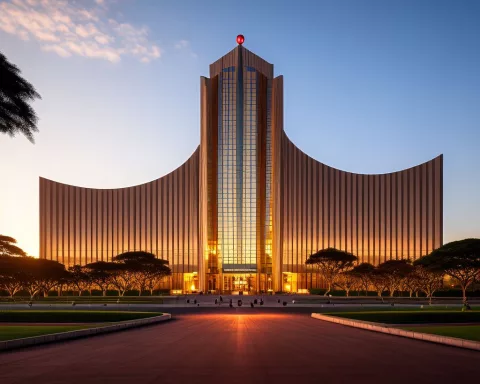
GCIS Budget Vote 2023/24: Communication, Resilience, and Progress in South Africa – A Comprehensive Overview

1 min read
south africa democracy

As South Africa approaches the 30th anniversary of its democracy, it is essential to reflect on the various developments made since 1993 and the crucial role played by the Government Communication and Information System (GCIS) in facilitating communication between the government, its citizens, and the international community. In a recent address on the GCIS Budget Vote for 2023/24, Minister in the Presidency Ms. Khumbudzo Ntshavheni provided insights into South Africa’s journey thus far and the evolving role of GCIS in promoting continued progress and resilience.

South Africa’s Progress over the Past Three Decades

Over the past thirty years, South Africa has made significant strides in various sectors, including transforming its physical landscape, integrating into the global economy, and empowering its black African majority, who were once marginalized and excluded. The GCIS has played a crucial role in communicating South Africa’s story of transformation and progress, engaging with local and international stakeholders, addressing concerns, and rallying support for the nation’s growth.

Newsletter

Stay Informed • Cape Town

Get breaking news, events, and local stories delivered to your inbox daily. All the news that matters in under 5 minutes.

Join 10,000+ readers
No spam, unsubscribe anytime

GCIS Plans for 2023/24 Financial Year

For the 2023/24 financial year, the GCIS plans to focus on President Cyril Ramaphosa’s priority areas, including addressing load-shedding, unemployment, poverty, crime, corruption, and service delivery. To achieve this, the GCIS will undertake initiatives such as conducting media briefings, developing engaging content, and coordinating advertising purchases for various departments and agencies. Community engagement programs like the Presidential Imbizo will continue to strengthen connections between the government and its citizens.

Leveraging Technology to Reach a Broader Audience

Recognizing the significant shift in communication brought about by technology, the GCIS will capitalize on digital platforms to reach a broader audience while simultaneously upskilling its workforce and upgrading its information systems. However, traditional methods of communication will not be neglected, ensuring all South Africans have access to information, regardless of their geographic location or available resources.

Collaboration with the Media

Collaboration with the media is crucial in effectively disseminating government information, and the GCIS seeks to strengthen its relationships with media organizations during the forthcoming financial year. Moreover, the GCIS will work towards transforming the marketing, advertising, and communications sector, emphasizing economic sustainability and inclusivity.

Achieving Objectives through Collaboration

With a budget allocation of R750,746 million for the 2023/24 financial year, the GCIS aims to achieve its objectives by collaborating with various departments, provinces, state-owned enterprises, and civil society partners. The GCIS remains committed to fostering social cohesion, nation-building, and maintaining a citizen-focused dialogue.

In conclusion, the 25-year anniversary of the GCIS serves as a testament to the organization’s dedication to the growth and progress of South Africa. As emphasized by Minister Ntshavheni, the GCIS remains committed to ensuring that all South Africans are included in the journey towards a brighter future.

A Russian-Spanish journalist and Cape Town native, channels his lifelong passion for South Africa into captivating stories for his local blog. With a diverse background and 50 years of rich experiences, Serjio's unique voice resonates with readers seeking to explore Cape Town's vibrant culture. His love for the city shines through in every piece, making Serjio the go-to source for the latest in South African adventures.

Leave a Reply

Your email address will not be published.

Previous Story

South Africa’s Mineral Resources and Energy Department Budget Vote: 2023/24 – An Overview

Next Story

Empowering People with Disabilities: Supported Employment Enterprises Hosts Workshop for Inclusive Labor Market Transition

Latest from Blog

From Randburg to the Record Books: How Tyla Rewrote Pop History in 2:45

Tyla, a young artist from Randburg, South Africa, exploded onto the music scene with her song “Chanel.” This catchy tune, made simply on headphones, became a massive hit without biglabel help. Thanks to TikTok and Spotify’s smart playlists, her music found millions of listeners globally. Tyla’s success shows that a great song, shared widely online, can now rewrite music history and reach the top charts, even from far away. She owns her music, giving her power that earlier artists never had.

Cape Town’s “Red Wedge”: How a 900-Metre Airport On-Ramp Became South Africa’s Most Watched Kill-Zone

{“summary”: “The \”Red Wedge\” in Cape Town is a dangerous 900meter stretch of airport road. It’s famous for terrible crimes like carjackings and smashandgrabs, making it South Africa’s most watched ‘killzone.’ This area was poorly designed in the 1970s, which now helps criminals ambush cars. Even with many cameras, police struggle to stop the quick attacks. Now, a big wall is being built, and new tech like drones and special apps are helping to fight back against the robbers.”}

South Africa’s 2025 Beef Surge: When Biology, Red Tape and a Thirsty Planet Collide

South African beef prices shot up in 2025, not because of local good news, but because the world ran short of red meat. Fewer cattle everywhere and China’s pork problems made other countries hungry for South African beef. Even with local sickness and people here buying less, farmers made more money. They sold to new places like the Middle East, using special tricks to get around problems. But the future is tricky, with animal sickness, changing weather, and how much money is worth all playing a part in what happens next for South African beef.

A Province That Won’t Stop Knocking on the Constitutional Door

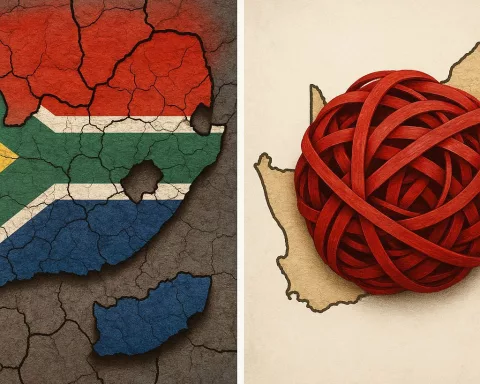
The Western Cape really wants to break away from South Africa, but it’s super hard because of the law. The country’s main rule says South Africa must stay as one, and changing that is almost impossible. Even though many people in the Western Cape feel left behind and want to control their own future, the government keeps saying ‘no’. So, for now, the Western Cape has to find other ways to get more power without leaving the country.