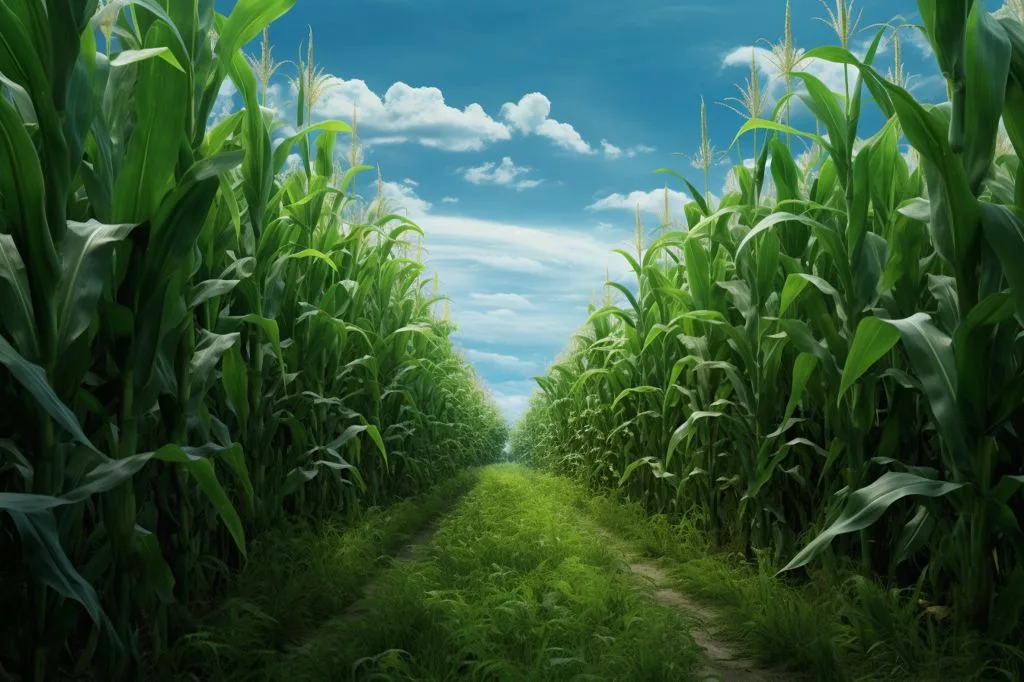
Under the leadership of MEC Nonkqubela Pieters, the Grain Planting Season Initiative is empowering over 9,000 black farmers in the Eastern Cape to grow grain on 27,774 hectares of land. The initiative, backed by a R93 million investment from the Department of Rural Development and Agrarian Reform, is transforming the region’s grain value chain and ensuring food security. The project has had an extraordinary impact on the Nkondlo region, turning it into an agricultural center and generating opportunities for local employment and income.
What is the Grain Planting Season Initiative in the Eastern Cape?
The Grain Planting Season Initiative in the Eastern Cape is a project led by MEC Nonkqubela Pieters, which aims to assist over 9,000 farmers in growing grain on 27,774 hectares of land. The initiative is backed by the Eastern Cape’s Department of Rural Development and Agrarian Reform, which has committed R93 million to revolutionize the grain value chain in the region. The project seeks to empower black farmers, ensure food security, and transform the region through agricultural investment.
Launching the Grain Planting Season Initiative
The Eastern Cape’s Department of Rural Development and Agrarian Reform, led by MEC Nonkqubela Pieters, recently initiated the province’s grain planting season. This project will assist over 9,000 farmers in growing grain on 27,774 hectares of land, with the department committing R93 million to revolutionize the grain value chain in the region.
The inauguration took place at Dalasile Agri-Park (DAP) in Nkondlo, AB Xuma Local Municipality, a commercial collaborator in this endeavor. In her speech, MEC Pieters underscored that revamping the grain value chain is a top priority for the department. The Dr. AB Xuma Local Municipality will gain support for 2,025 hectares through DRDAR Grain Development Partners via the Agri-park. Additionally, the department will assist small-scale grain producers by allocating 1,905 hectares between mechanization and production contributions.
Empowering Black Farmers and Ensuring Food Security
The department’s investment seeks to elevate black farmers to a commercial level and guarantee food security for households. Nokwandisa Mdayi, a beneficiary, recounts her remarkable transformation from performing menial tasks, such as laundry, to becoming a self-sufficient farmer. This transition was feasible due to DRDAR’s generous investment in Dalasile Agri Park.
Mdayi’s experience is echoed throughout the Eastern Cape as the government persistently strives to attain food security, job creation, and the commercialization of agricultural enterprises. Mdayi, currently a thriving farmer from Nkondlo Village, is one of the many participants in the DRDAR-funded Dalasile Agri-Park.
The commercial grain production program not only revolutionized the lives of its participants but also generated opportunities for other community members. During harvest season, Mdayi employs local women to collect surplus grain, thereby contributing to their income.
Transforming the Region through Agricultural Investment
DAP Chairperson Yanga Dalasile acknowledged the government’s R16.3 million investment in their partnership model over the past three years. However, he noted that the overall investment in cropping fields within the last seven years totals over R500 million. DAP has secured more than 15 off-take agreements, allowing them to sell their produce in commercial markets.
This project has had an extraordinary impact on the Nkondlo region. Once infamous for crime and violence, the area has now evolved into an agricultural center. DAP’s grain business has driven the region to become the province’s second-largest communal land-based project, with consistent growth.
Mayor Siyabulela Zangqa of AB Xuma disclosed plans to build a processing plant in the area for animal feed production, aimed at creating sustainable jobs and addressing poverty and unemployment.
The Transformative Power of Agriculture
The grain planting season in the Eastern Cape, launched by MEC Pieters and backed by the Department of Rural Development and Agrarian Reform, demonstrates the transformative potential of agriculture. Through strategic investments and collaborations, the government is not only cultivating economically viable agricultural enterprises but also positively affecting the lives of thousands of individuals in rural communities.
As the grain planting season unfolds, it is crucial to recognize the numerous farmers, such as Nokwandisa Mdayi, who have been given new opportunities through these initiatives. Their stories serve as reminders that, with the proper support and resources, even the most disadvantaged rural communities can flourish and contribute to the ongoing progress and development of South Africa’s agricultural sector.
1. What is the Grain Planting Season Initiative in the Eastern Cape?
The Grain Planting Season Initiative in the Eastern Cape is a project led by MEC Nonkqubela Pieters, which aims to assist over 9,000 farmers in growing grain on 27,774 hectares of land.
2. Who is leading the Grain Planting Season Initiative in the Eastern Cape?
MEC Nonkqubela Pieters is leading the Grain Planting Season Initiative in the Eastern Cape.
3. How much funding has been committed to the Grain Planting Season Initiative in the Eastern Cape?
The initiative is backed by the Eastern Cape’s Department of Rural Development and Agrarian Reform, which has committed R93 million to revolutionize the grain value chain in the region.
4. What is the goal of the Grain Planting Season Initiative in the Eastern Cape?
The project seeks to empower black farmers, ensure food security, and transform the region through agricultural investment.
5. How is the Grain Planting Season Initiative empowering black farmers?
The department’s investment seeks to elevate black farmers to a commercial level and guarantee food security for households.
6. How has the Grain Planting Season Initiative transformed the Nkondlo region?
The project has had an extraordinary impact on the Nkondlo region, turning it into an agricultural center and generating opportunities for local employment and income.
7. What is the impact of the Grain Planting Season Initiative on the Dalasile Agri-Park?
The DRDAR-funded Dalasile Agri-Park has been transformed through the Grain Planting Season Initiative, with numerous beneficiaries transitioning into self-sufficient farmers and generating employment opportunities for other community members.
8. How does the Grain Planting Season Initiative demonstrate the transformative power of agriculture?
The grain planting season in the Eastern Cape demonstrates the transformative potential of agriculture. Through strategic investments and collaborations, the government is not only cultivating economically viable agricultural enterprises but also positively affecting the lives of thousands of individuals in rural communities.