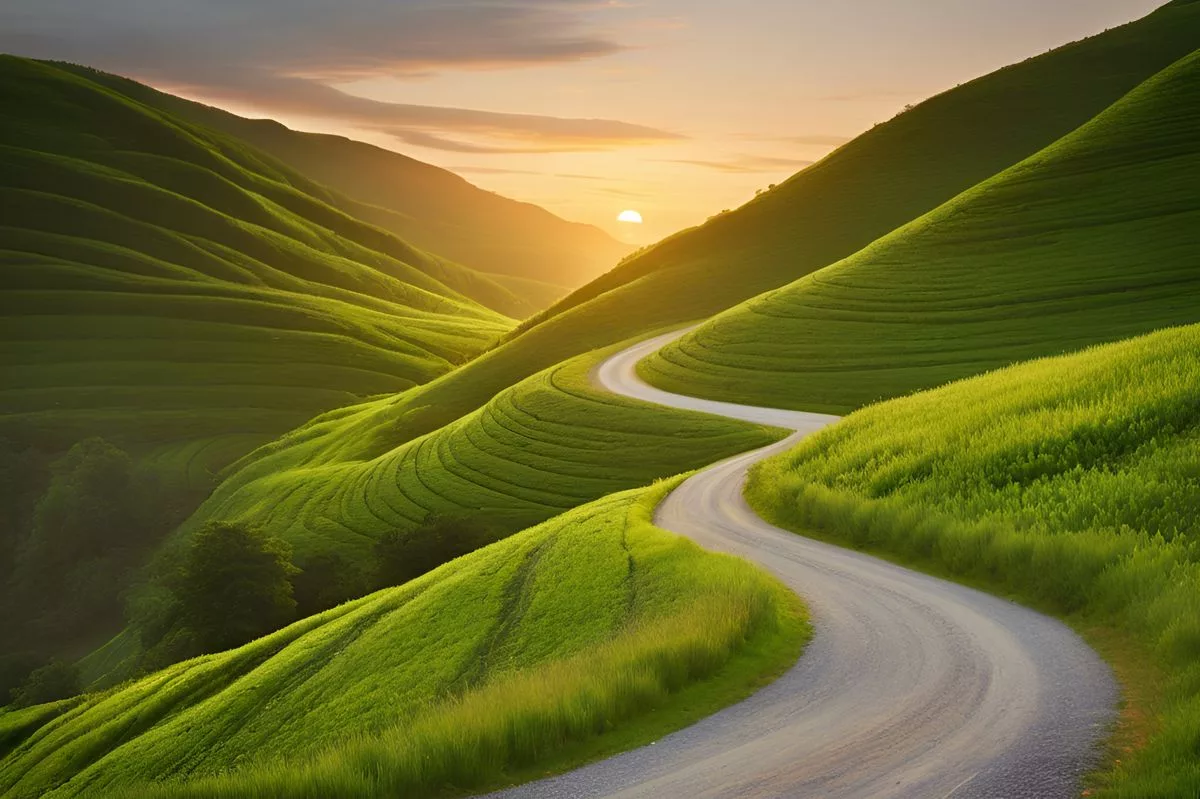
Gravel Burn is an exciting seven-day bike race in South Africa, covering 850 kilometers through breathtaking landscapes. From the lush forests of the Western Cape to the vast Great Karoo, cyclists will experience the beauty of nature while pushing their limits. Designed by Kevin Vermaak, this race fosters a sense of community among participants, who will rest in cozy tented camps each night. As riders tackle different challenges, they not only compete but also connect with the land and each other, making memories that last a lifetime. Gravel Burn is not just a race; it’s an adventure that celebrates the spirit of exploration!
What is Gravel Burn and why is it significant?
Gravel Burn is a seven-day, 850-kilometer gravel race in South Africa, showcasing diverse landscapes from the Western Cape to the Great Karoo. It’s inspired by the growing popularity of gravel biking, emphasizing adventure, community, and endurance while offering a unique cycling experience through stunning terrains.
The Birth of Gravel Burn
As the morning sun illuminates the coastal forests near Knysna, a vibrant group of cyclists gathers to embark on an extraordinary adventure. This is Gravel Burn, a grueling seven-day, 850-kilometer gravel race that takes riders through the stunning Eastern Cape of South Africa. The route stretches from the lush Western Cape and ventures into the rugged terrain of the Great Karoo, concluding in the expansive wilderness of the Shamwari Private Game Reserve, known for its iconic Big 5.
Kevin Vermaak, the mastermind behind the acclaimed Cape Epic mountain bike race, launched Gravel Burn. In 2004, Vermaak introduced the Cape Epic, which quickly became a prestigious event in mountain biking. After selling it to the Ironman group in 2017, Vermaak took a break but returned to the cycling world, inspired by the growing popularity of gravel biking. His excitement for the discipline is evident: “Gravel biking in South Africa resembles what mountain biking was twenty years ago,” he remarked at the Gravel Burn launch. “With its increasing popularity in Europe and the USA, now is the ideal time for a significant, long-distance, professional-amateur gravel race.”
Gravel biking has captured the hearts of cycling enthusiasts globally, offering an enticing mix of road and mountain biking. It allows riders to traverse scenic terrains away from congested paths. More than just a sport, gravel biking invites adventurers to explore new routes and reconnect with nature. Gravel Burn captures this essence, presenting a route that showcases the best gravel roads in the Great Karoo and Eastern Cape, highlighting South Africa’s varied landscapes.
The Team Behind the Adventure
The success of Gravel Burn owes much to a talented team, including Richard McMartin, known for managing logistics in the early days of Cape Epic, and Steve Thomas, the route designer. They have carefully planned a course that blends the exhilaration of racing with the beauty of South Africa’s natural scenery. Riders will experience stages that range from point-to-point circuits to a unique clover-leaf stage around the impressive Compassberg. Each stage brings its own set of challenges, requiring endurance and strategic thinking.
Participants will find comfort in custom-designed tented camps scattered along the route. These Burn Camps, located in remote areas such as Avontuur, Graaff Reinet, Blaauwater Farm, Merino Farm, Middleton, and Amanzi Camp at Shamwari Private Game Reserve, promote camaraderie among cyclists. Evenings in these camps offer more than just rest; they forge a sense of community that Vermaak envisions as central to Gravel Burn. “We’re reinventing the model,” he states, “fostering a communal spirit in the Burn Camps during Gravel Burn.”
Gravel Burn emphasizes individual competition, with age categories starting at 35. Cyclists compete for leader jerseys in both men’s and women’s divisions, adding a personal achievement aspect to the collective experience. Vermaak highlights that while Gravel Burn doesn’t aim to mirror Cape Epic, it aspires to achieve a similar level of organizational excellence, with a unique focus on community involvement.
The Rise of Gravel Biking
Gravel Burn stands as a symbol of a broader movement in cycling. The rise of gravel biking has introduced a new way for enthusiasts to engage with the sport, inviting them to navigate landscapes that combine the rugged and the serene. This trend offers not only a physical challenge but also an escape from the constraints of urban life, inviting individuals to reconnect with the natural environment.
The Eastern Cape serves as a perfect backdrop for this endeavor, with its varied terrains and rich cultural heritage. From the coastal forests of the Western Cape to the semi-arid landscapes of the Great Karoo, the race’s path winds through regions rich in history and tradition. Cyclists will traverse areas that have inspired generations, from the indigenous peoples who originally inhabited the land to the settlers and explorers who followed.
Gravel Burn transcends the concept of a race; it embodies the spirit of exploration that has defined human history. Participants, whether seasoned professionals or passionate amateurs, are modern adventurers charting a course through some of South Africa’s most breathtaking scenery. As they pedal through this diverse landscape, they contribute to a narrative that extends beyond sport, touching on culture, history, and art.
Anticipation Builds
With registration opening in December 2024, anticipation for Gravel Burn continues to grow. This event promises not only to test the limits of endurance but also to enrich the soul, offering participants a blend of thrilling adventure and community warmth. In this fusion of nature, sport, and camaraderie, Gravel Burn stands as a testament to the enduring allure of the open road and the unyielding human spirit.
Gravel Burn invites cyclists to experience the beauty and challenges of South Africa’s landscapes, bringing together a community of adventurers eager to explore uncharted paths. As they ride through varied terrains, they embrace the spirit of exploration and adventure, creating memories that will last a lifetime. Gravel Burn is more than just a race—it’s a celebration of the human spirit and our connection to the natural world.
Gravel Burn FAQ
What is Gravel Burn?
Gravel Burn is an exciting seven-day bike race in South Africa, covering 850 kilometers through diverse landscapes, from the lush forests of the Western Cape to the vast Great Karoo. It emphasizes adventure, community, and endurance, offering participants a unique cycling experience.
Who designed Gravel Burn and what inspired its creation?
Gravel Burn was designed by Kevin Vermaak, the founder of the renowned Cape Epic mountain bike race. Inspired by the increasing popularity of gravel biking, Vermaak aimed to create a long-distance race that celebrates adventure and allows cyclists to explore stunning terrains while fostering a sense of community.
What can participants expect each day during the race?
Each day of Gravel Burn presents cyclists with various challenges and stages that range from point-to-point circuits to unique clover-leaf routes around notable landmarks like Compassberg. Riders will enjoy custom-designed tented camps, known as Burn Camps, where they can rest, socialize, and build camaraderie with fellow participants.
Who can participate in Gravel Burn?
Gravel Burn is open to cyclists aged 35 and older, with different age categories for both men and women. The race is designed for everyone, from seasoned professionals to passionate amateurs, all eager to embrace the spirit of exploration and adventure.
When can participants register for Gravel Burn?
Registration for Gravel Burn will open in December 2024. As anticipation builds for this thrilling adventure, cyclists are encouraged to prepare for an unforgettable experience that combines endurance, beauty, and community spirit.
What makes Gravel Burn different from other cycling races?
Gravel Burn stands out not only for its challenging course through South Africa’s breathtaking landscapes but also for its strong emphasis on community and connection among participants. The race fosters a communal spirit in the Burn Camps, creating lasting memories and friendships, making it more than just a competition—it’s a celebration of the human spirit and our bond with nature.