A family’s morning drive in Cape Town turned into a terrifying “green-light ambush.” A taxi ignored a green light, crashed into their car, and then, instead of an apology, the driver attacked the dad. The mom filmed it all, but that only made the attacker more furious, leading to shattered windows and a traumatized baby. This horrifying event highlights how quickly a simple commute can become a violent nightmare and the lasting fear it leaves behind.
What is a “Green-Light Ambush”?
A “Green-Light Ambush” describes a road rage incident where a driver, despite having a green light, is involved in a collision and subsequently attacked by the other party. The term highlights the unexpected violence that can erupt during seemingly routine traffic situations.
Metal Crunch at the Crossing
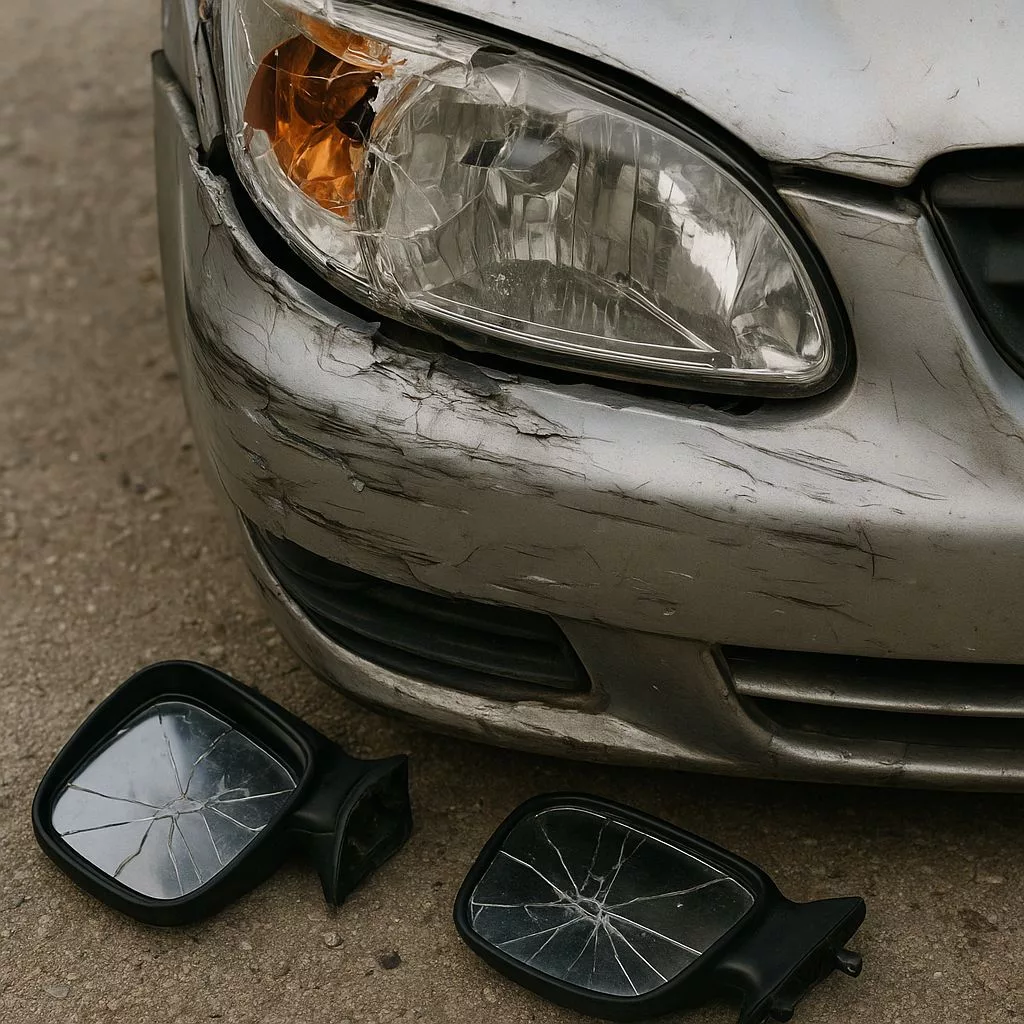
Friday sun still low, a young dad eased through Kuilsriver’s sleepy intersection, his wife in the passenger seat pinning a six-month-old bottle against their daughter’s lips. A green arrow gave him clear passage; the minibus taxi to his left ignored it. The driver floored the gap, steel bumper kissing the family car’s front corner with a sharp crack. Headlight glass burst, plastic trim dangled. In that heartbeat, an ordinary commute morphed into a scene the couple will replay for years.
Dad nosed to the curb, hazards blinking, assuming the usual apology-and-insurance ritual. Instead, the taxi operator sprang out first, fists already clenched. No words on fault, only shouted accusations. The new father, still checking his damaged grille, took two blind punches to the jaw before he could duck. His wife, thumb hovering over her camera app, instinctively hit record, thinking evidence would protect them. The move lit a hotter fuse.
Inside the cabin, the baby startled, tiny arms flailing at the sudden roar of a stranger’s voice. Mum locked doors, but side mirrors became the first casualties, snapped off with a single kick. Then the driver’s window erupted in diamonds of safety glass as a boot heel came through. Shards sprinkled the infant seat like lethal confetti; screams layered over klaxons. In forty chaotic seconds the family car was hobbled, the family psyche fractured.
When the Lens Becomes a Weapon
Recording was meant to calm the storm; instead it turned the aggressor into a hunter desperate to erase proof. He clawed the passenger door, howling for the phone, convinced its deletion would free him from consequence. Every yank on the handle rocked the chassis, rocking the baby harder. Modern technology, usually a shield for justice, momentarily felt like gasoline on coals.
Locked doors held, but the message was clear: presence of a camera can escalate rather than deter when perpetrators panic. Road-safety trainers now cite this clip in workshops, urging motorists to judge the moment – sometimes audio-only or hidden activation is wiser than an obvious lens staring down a volatile stranger.
Codeta, the association whose colours the taxi wore, watched the footage circulate and within hours issued a terse statement: barbaric conduct is alien to them; the matter sits with police. While the PR line distances the brand, victims know organisational culture is judged by its worst ambassador. Public pressure mounts for operators to install in-vehicle monitoring and enforce psychiatric screening, initiatives long promised but seldom enforced.
After-Shock: Trauma Beyond the Fender
Nightmares rarely respect daylight. Weeks later, the father still flinches at green lights; the mother’s knuckles whiten on any steering wheel. The infant, pre-verbal, shows her own fallout – restless sleep, sudden wails when engines roar. Paediatricians explain that cortisol memories lodge early; therapy starts with lullabies and steady routine, yet parental anxiety is the lullaby she truly absorbs.
Vehicle repairs tallied R42 000; the invisible bill is trickier. Legal aid volunteers help the couple draft witness statements, but court dates crawl. Insurance assessors remind them that compensation for emotional shock is a maze; without visible stitches, trauma is too often dismissed. Support groups for road-rage survivors, once an obscure corner of the web, now feel like family.
Traffic authorities report a 30 % spike in aggression complaints post-lockdown, blaming financial strain and congested return-to-work schedules. Taxi leagues promise refresher anger-management sessions; drivers counter that unrealistic timetables push them to reckless shortcuts. The standoff illustrates a broader societal fracture – when economic pressure meets steel cages, civility is first casualty.
Community Canvas: Sharing the Wheel of Responsibility
The father’s viral post became a rallying cry. Local churches host “Calm Commute” evenings where motorists role-play de-escalation scripts; learner drivers rehearse breathing drills when honked at. A neighbourhood watch patrol now shadows the notorious intersection at peak hours, orange bibs reminding everyone they are seen.
Yet sustainable change demands structural grit: dedicated lanes for public transport reduce jockeying for space; dashboard-camera subsidies could standardise evidence gathering without singling individual phones as provocation; restorative-justice panels might compel aggressors to face victims instead of paying impersonal fines.
Each commuter, too, carries a micro-duty. Tailgating less, waving apology when late, refusing to amplify horn symphonies – tiny courtesies aggregate into culture. The Kuilsriver dad admits he will drive again, because hiding garages trauma; his wife vows their daughter will know roads can be safe if enough people choose patience over pride. Their story, horrific as it is, becomes syllabus: every green light offers a fresh chance to steer society somewhere kinder.
What is a “Green-Light Ambush”?
A “Green-Light Ambush” describes a road rage incident where a driver, despite having a green light, is involved in a collision and subsequently attacked by the other party. The term highlights the unexpected violence that can erupt during seemingly routine traffic situations. It often involves an aggressor ignoring traffic laws, causing an accident, and then resorting to physical violence or intimidation rather than following standard accident procedures.
What happened during the “Green-Light Ambush” in Cape Town?
During a morning drive in Cape Town, a family’s car was hit by a taxi that ignored a green light. Instead of exchanging insurance information, the taxi driver attacked the father. When the mother began filming the incident, the attacker became more furious, leading to shattered car windows and traumatizing their baby. The family was left with significant vehicle damage and emotional distress.
How did recording the incident affect the situation?
Initially, the mother recorded the incident as evidence, hoping it would protect them. However, the presence of the camera made the aggressor more furious, leading to an escalation of violence, including attempts to grab the phone and smash car windows. This highlights a critical point: while evidence is important, an obvious camera can sometimes provoke further aggression from volatile individuals, making road-safety trainers advise caution and sometimes suggesting audio-only or hidden recording.
What were the consequences and aftermath for the family?
The family endured significant trauma, with the father flinching at green lights and the mother experiencing anxiety while driving. Their infant also showed signs of distress, such as restless sleep. Financially, vehicle repairs cost R42,000, and they faced challenges in seeking compensation for emotional shock. They have sought legal aid and joined support groups for road-rage survivors, highlighting the long-lasting impact beyond physical damage.
What broader issues does this incident highlight regarding road rage in Cape Town?
This incident highlights a concerning rise in aggression on roads, with traffic authorities reporting a 30% spike in complaints post-lockdown, often attributed to financial strain and increased congestion. It also exposes the gap between public transport associations’ statements against barbaric conduct and the actual behavior of some drivers. There’s a growing call for better enforcement of regulations, installation of in-vehicle monitoring, and even psychiatric screening for drivers to improve road safety and civility.
What initiatives are being taken or suggested to prevent similar incidents?
In response to such events, communities are organizing “Calm Commute” evenings and neighborhood watch patrols at notorious intersections. Structural changes suggested include dedicated lanes for public transport, subsidies for dashboard cameras to standardize evidence gathering, and restorative justice panels. Ultimately, there’s a collective call for greater personal responsibility from commuters, emphasizing patience, courtesy, and de-escalation tactics to foster a kinder road culture.