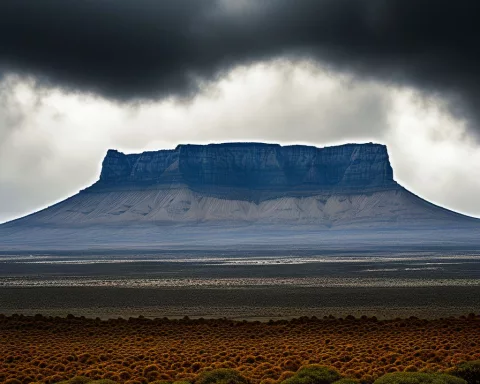

Table Mountain National Park is a beautiful and famous urban park in Cape Town, but it faces big challenges today. Rising violent crime, especially robberies, makes many visitors feel unsafe, while the park’s trails and historic sites suffer from erosion and neglect. Dedicated volunteers work hard to protect the mountain, cleaning trails and helping with safety, but the park needs strong teamwork between police, communities, and conservation groups to keep its natural beauty and history alive. Despite these struggles, Table Mountain remains a powerful symbol of nature’s strength and the city’s shared heritage.
What are the main challenges facing Table Mountain National Park today?
Table Mountain National Park faces rising violent crime, especially robberies, and ongoing threats like trail erosion, invasive species, and neglected infrastructure. Addressing these requires strong law enforcement partnerships, active community volunteerism, and sustained conservation efforts to balance safety, heritage preservation, and public access.
Table Mountain: A Timeless Beacon
Table Mountain dominates Cape Town’s skyline, its flat summit standing as a powerful symbol in South African culture. Generations of writers, artists, and explorers have drawn inspiration from its striking silhouette, weaving its image into the nation’s collective identity. The mountain’s grandeur has always fascinated both locals and visitors, who often see it as much more than a scenic backdrop – it’s a living emblem of nature’s resilience and beauty.
Art and oral tradition have preserved Table Mountain’s legacy through the centuries. From the detailed sketches of early European artists like Thomas Bowler to the stories shared by indigenous Khoisan people, the mountain has consistently attracted those who seek meaning in its presence. Today, this iconic site continues to capture imaginations, drawing millions who wish to experience its unique blend of natural wonder and historical significance.
Table Mountain National Park ranks among the most visited protected areas in South Africa. According to the latest statistics from SANParks, the park welcomed nearly three million guests in the 2023-2024 period – surpassing even the renowned Kruger National Park. Nearly half of all visitors to the country’s national parks make their way through Table Mountain, attracted by the sweeping views, rare fynbos vegetation, and the promise of adventure just minutes from the city center. Its accessibility is both a blessing and a challenge, creating opportunities for enjoyment but also exposing the park to pressures that more remote reserves often avoid.
A Growing Concern: Escalating Crime on the Mountain
In recent years, the narrative surrounding Table Mountain has shifted. While its beauty endures, concerns about safety have surged, especially as cases of violent crime have become more frequent. Local advocacy organizations and volunteers have launched high-profile campaigns, such as the #SaveTableMountain initiative, to draw attention to the rising tide of robberies and assaults in the park.
The numbers tell a stark story. SANParks documented 59 robberies within the park’s boundaries in 2022. By 2023, that figure had more than doubled to 133 incidents. The trend appears persistent, with 58 cases already reported in the first half of 2024. Historically, the final months of the year have seen a noticeable increase in crime – 30 robberies in October, 38 in November, and 11 in December 2023 – raising concerns for the upcoming summer season.
Those closest to the mountain’s trails report a palpable sense of unease. Blake Dyason, who founded Love our Trails, speaks candidly about the reality facing hikers and volunteers. He insists that criminal activity is rising, a sentiment echoed by Taahir Osman from Take Back Our Mountains, who notes an increase in violent encounters since the previous year. These concerns are not isolated, as many regular users of the park recount stories of theft and confrontation that have marred their experiences.
SANParks offers a different perspective, arguing that crime within the park fluctuates and often coincides with peaks in tourism and changes in citywide crime trends. Spokesperson JP Louw points to the park’s open boundaries and proximity to densely populated neighborhoods as significant factors. Unlike fenced game reserves, Table Mountain National Park operates as an urban-wildland interface where the risks of city life can easily spill into the natural landscape.
Policing the Urban Edge: Partnerships and Persistent Challenges
Table Mountain’s design as an open-access park creates unique complexities for law enforcement. With numerous entry points scattered across its urban borders, the park defies the kind of controlled access that protects other reserves. This openness calls for a multifaceted approach to safety, relying heavily on strong partnerships between SANParks, the South African Police Service (SAPS), and local city law enforcement.
JP Louw emphasizes the importance of collaboration, noting that joint patrols and information-sharing form the backbone of the park’s response to crime. Despite these efforts, many volunteer groups and regular visitors believe gaps remain. Most robberies and break-ins occur at a few well-known spots – such as Lion’s Head, Signal Hill, and certain parking areas – yet official responses sometimes seem unpredictable or reactive.
Hikers and mountain users have become increasingly vigilant, sharing warnings and advice in online forums and community meetings. While these grassroots networks provide crucial information, they also underscore the need for a more strategic and visible presence from authorities where it matters most. Stories of close calls and losses circulate widely, reminding all that Table Mountain, for all its splendor, sits at a crossroads where urban challenges meet the wild.
Table Mountain’s history as a place of convergence continues today. Its trails have witnessed centuries of human movement – some searching for solace, others for opportunity. The current tensions between security and accessibility echo longstanding themes in the life of the mountain and the city it overlooks.
The Struggle for Preservation: Trails, Heritage, and Overlooked Infrastructure
While crime poses an immediate concern, Table Mountain faces subtler but equally pressing threats. Erosion, neglect, and invasive vegetation have gradually worn down the park’s trails, signage, and heritage sites. The #SaveTableMountain petition highlights frustrations over overgrown paths, unclear directions, and the slow recovery of damaged or destroyed amenities. The Rhodes Memorial Tea Garden, for example, remains a charred ruin years after a devastating fire in 2021. Other landmarks, like the Orange Kloof Tented Camp and the Tokai Manor House, show signs of long-term neglect.
Andy Davies, chairperson of Friends of Table Mountain, describes a landscape where dedicated volunteers regularly step in to repair washed-out trails and install new signs to help lost hikers. In 2023 alone, his team restored 30 kilometers of trails – a testament both to their commitment and to the sheer scale of the park’s needs. Davies expresses a common sentiment among community stewards: a desire to work with, rather than against, official management, and a determination to prevent irreversible damage to the park’s infrastructure and natural features.
Maintaining a massive network of 850 kilometers of trails is no small feat. Louw acknowledges that the park’s infrastructure faces constant pressure from millions of visitors, harsh weather, and the ever-present threat of wildfires. The challenge is ongoing and demands both consistent funding and creative partnerships.
Efforts to revitalize neglected areas are underway. Projects in the Tokai precinct and plans for the Rhodes Memorial restaurant are moving forward, with completion dates projected for 2026. In addition, a heritage management plan for the Tokai Arboretum signals a renewed focus on preserving the park’s botanical and cultural treasures. These initiatives offer hope, but progress remains slow, and many visitors continue to encounter signs of ongoing neglect.
Community Stewards: Volunteers at the Heart of Conservation
Behind the scenes, a dedicated corps of volunteers serves as the park’s first line of defense against both environmental decline and criminal activity. Individuals and groups regularly patrol the slopes, clear invasive species, and repair damaged pathways, embodying a tradition of communal stewardship reminiscent of the Arts and Crafts movement’s ideals: beauty, function, and collective responsibility.
Blake Dyason warns that SANParks increasingly relies on the efforts of these volunteers to fill critical gaps in maintenance and security. He suggests that the mountain’s condition would rapidly deteriorate without their ongoing commitment. Yet, not all volunteers see their relationship with the authorities in adversarial terms. Maya Naumann of the Sugarbird Project describes a collaborative partnership with SANParks, acknowledging that the challenges facing Table Mountain surpass what any single organization can handle alone.
The volunteer ethos runs deep, sustained by a belief that ordinary people can make a tangible difference in preserving shared natural heritage. Their work not only protects the physical landscape but also fosters a sense of belonging and pride among the diverse communities who call Cape Town home.
Table Mountain’s Ongoing Story: Balancing Access, Safety, and Heritage
The challenges and triumphs unfolding on Table Mountain reflect larger debates about how society values and manages natural heritage in the context of a rapidly changing world. The mountain’s slopes have witnessed centuries of transformation – shaped by colonial exploitation, urban expansion, and, more recently, a growing movement for inclusive and sustainable conservation.
Traces of the past linger in ancient stone footpaths, historic tea gardens, and hardy fynbos plants sprouting from rocky crevices. Table Mountain’s enduring appeal lies not just in its scenic beauty, but in its capacity to unite people across boundaries of culture, class, and history. The mountain’s evolving story is one defined by resilience, community, and an ongoing effort to reconcile the demands of accessibility with the imperatives of protection.
As Cape Town’s seasons turn and visitors return to its slopes, Table Mountain quietly observes, its crags and ravines silently recording every human endeavor. Whether viewed as a site of celebration or concern, it remains an ever-present witness to the city’s unfolding narrative – a living testament to the enduring interplay of nature, memory, and community stewardship.
What are the biggest challenges currently facing Table Mountain National Park?
Table Mountain National Park is grappling with several major challenges. The most urgent is rising violent crime, particularly robberies, which have increased significantly in recent years and affect visitor safety. Alongside security concerns, the park faces environmental issues such as trail erosion, invasive species encroachment, and neglected infrastructure including historic sites and visitor amenities. Addressing these problems requires coordinated efforts between law enforcement, conservation groups, and local communities to ensure both safety and preservation.
How has crime on Table Mountain changed in recent years?
Crime, especially robberies, in Table Mountain National Park has escalated sharply. In 2022, SANParks recorded 59 robberies; this number more than doubled to 133 in 2023. The first half of 2024 already saw 58 incidents reported. Crime tends to spike during the last months of the year, raising concerns for peak visitor seasons. This trend has led to increased vigilance by hikers, volunteers, and advocacy groups campaigning for stronger safety measures.
What makes policing and security challenging in an urban park like Table Mountain?
Unlike fenced game reserves, Table Mountain is an open-access urban park with multiple entry points along densely populated city neighborhoods. This urban-wildland interface allows city crime dynamics to spill into the park, complicating law enforcement efforts. Effective security relies on partnerships between SANParks, the South African Police Service (SAPS), and local authorities conducting joint patrols and intelligence-sharing. However, limited resources and the park’s large size mean that some popular areas remain vulnerable to criminal activity.
How are volunteers contributing to the conservation and safety of Table Mountain?
Volunteers play a vital role in both conserving and protecting Table Mountain. Groups like Love Our Trails and Friends of Table Mountain help maintain over 850 kilometers of trails by repairing erosion damage, clearing invasive plants, and installing signage. Volunteers also assist with safety patrols and community awareness, filling critical gaps alongside official management. Their dedication fosters a deeper sense of community ownership and helps preserve the park’s natural and cultural heritage.
What efforts are underway to restore neglected infrastructure and heritage sites in the park?
Several restoration and revitalization projects are in progress, targeting iconic and historically significant areas. For example, reconstruction of the Rhodes Memorial restaurant and upgrades in the Tokai precinct are planned for completion by 2026. Additionally, a heritage management plan for the Tokai Arboretum aims to protect its botanical and cultural value. Despite these initiatives, progress is gradual, and many visitors still encounter damaged or poorly maintained facilities, highlighting the need for sustained funding and partnerships.
Why is Table Mountain considered a symbol beyond just a natural landmark?
Table Mountain stands as a powerful cultural and historical symbol for South Africa and Cape Town. Its distinctive flat summit has inspired generations of artists, writers, and indigenous peoples, becoming a living emblem of nature’s resilience and the city’s shared heritage. The mountain’s trails and landscapes reflect centuries of human history, from indigenous stories to colonial encounters and contemporary community stewardship. Its ongoing story embodies the challenges and hopes of balancing urban life, conservation, and inclusive access to natural heritage.