
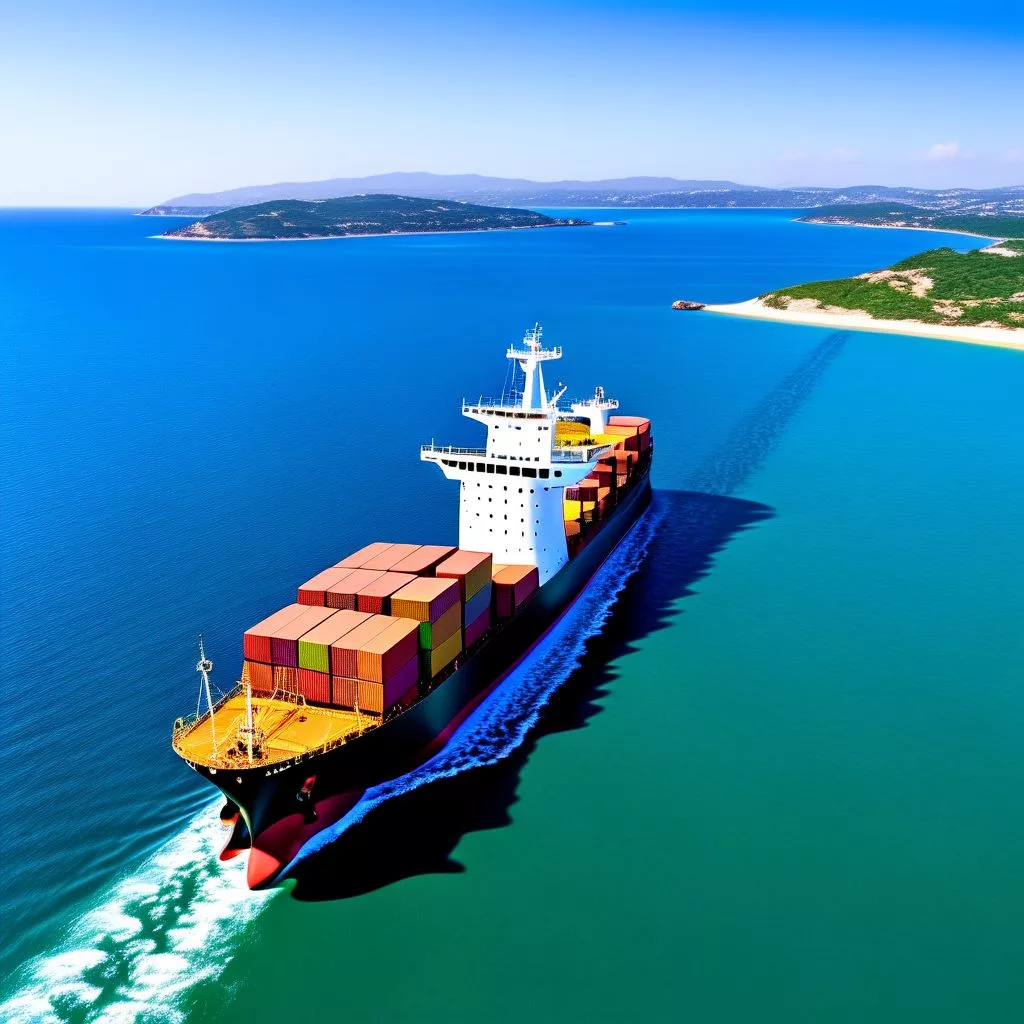
South Africa has introduced strong new rules for offshore ship-to-ship (STS) transfers to protect its precious marine life. These rules ban transfers near protected areas and farms, require ships to watch closely for wildlife, and prepare crews to act fast if oil spills happen. By balancing business needs with care for the ocean, South Africa is keeping its coasts safe and healthy. This bold move shows that protecting nature and growing the economy can go hand in hand.
What are South Africa’s new regulations for offshore ship-to-ship (STS) transfers?
South Africa’s new STS transfer regulations protect marine life by banning transfers in marine protected areas and aquaculture zones, requiring real-time wildlife monitoring, mandatory environmental training, and spill-response readiness. These rules balance economic benefits with safeguarding coastal ecosystems and preventing environmental disasters.
Heritage and Responsibility Along South Africa’s Shores
When the first light of dawn shimmers on the waters of the Western Cape, it reveals a coastline where natural wonders and the pulse of maritime commerce meet. South Africa’s history has always been closely linked with the sea. Centuries ago, wooden ships made their way around the Cape, forging global connections and shaping the nation’s identity. Today’s vessels, massive and technologically advanced, continue that legacy, but also bring unprecedented challenges in their wake.
The practice of offshore ship-to-ship (STS) transfers – where cargo, such as oil, is exchanged directly between ships at sea – has become a common fixture in these waters. This system offers undeniable efficiency and economic benefits, allowing ships to avoid congestion in busy harbors and save valuable time. However, the margin for error is slim, especially in an environment brimming with sensitive marine life. The smallest accident can have catastrophic consequences for ecosystems that have thrived here for millennia.
Recognizing these risks, South Africa has taken decisive action. Dr. Dion George, the country’s Minister of Forestry, Fisheries and the Environment, has introduced the Regulations for the Environmental Management of Offshore Ship-to-Ship Transfer. This move signals a new era in which economic development and environmental stewardship are no longer seen as mutually exclusive, but as interconnected responsibilities.
Protecting Vital Marine Zones: Drawing Clear Lines
At the heart of these groundbreaking regulations lies a strategy built on prevention. The law prohibits STS operations in specific zones, creating protective buffers around the most vulnerable areas of the coastline. No transfers may occur within marine protected areas (MPAs), aquaculture development zones (ADZs), or within five nautical miles surrounding these critical habitats. Additionally, transfers are forbidden within three nautical miles of the high-water mark.
These restrictions are far from arbitrary. Decades of scientific research have shown that marine protected areas serve as sanctuaries for rare and endangered species. MPAs act as reservoirs of biodiversity, supporting everything from kelp forests to elusive marine mammals. Similarly, aquaculture zones play a key role in food security and ecological balance, requiring stability and cleanliness to function properly. By establishing strict boundaries around these regions, the new regulations directly address long-standing concerns raised by conservationists and scientists alike.
This approach echoes a broader philosophy: human industry cannot come at the expense of irreplaceable natural resources. By drawing clear lines on the map, South Africa is making it clear that some places are too valuable to risk, no matter the economic incentive.
Safeguarding Marine Life: From Policy to Action
Perhaps the most compelling aspect of the new regulations lies in their focus on the living creatures that call these waters home. The African penguin, a beloved icon of the South African coast, represents both the beauty and fragility of this environment. With populations in steep decline and the constant threat of oil spills looming, the stakes could not be higher.
To counter these threats, the regulations require all operators engaging in STS transfers to actively monitor their surroundings for signs of marine life. Ships must deploy hydrophone systems capable of detecting underwater activity, providing early warning if dolphins, whales, or penguins come near. Crew members must keep vigilant watch, and every sighting or incident involving wildlife demands immediate reporting to authorities.
In the event of a spill or if animals become contaminated, operators must enact rapid response protocols, mobilizing resources to rescue, rehabilitate, and protect affected wildlife. This transforms each vessel from a potential hazard into a guardian of the sea, with every crew member sharing direct responsibility for the safety of creatures large and small.
Personal stories from the field bring these measures to life. Volunteers from organizations like SANCCOB recount harrowing rescues – such as rehabilitating penguins coated in oil, their survival hanging by a thread. These encounters underscore the vital importance of a proactive, hands-on approach to environmental protection.
Engineering Safety: Building Systems for Prevention and Rapid Response
The shadow of past disasters, like the devastating 2000 Treasure oil spill, still hangs over South Africa’s coastal communities. Memories of ruined beaches and decimated wildlife colonies serve as stark reminders of the urgent need for effective safeguards. The new regulations reflect these lessons with a suite of practical, enforceable requirements.
First, every ship must use specialized equipment designed to prevent and contain spills. Drip trays catch stray drops, while leak detection systems provide real-time alerts to any signs of trouble. Inflatable booms stand by, ready to encircle and isolate any accidental discharge before it spreads. These tools are not just technical upgrades; they are essential components of a comprehensive safety net.
Moreover, a spill-response vessel must remain on standby within five nautical miles during STS activities. This ensures that if an incident occurs, help arrives quickly, minimizing environmental damage. The strategy draws on principles of modern risk management, marrying advanced technology with well-trained human teams to create layers of defense. By treating safety as both a technical and organizational challenge, South Africa is setting a new standard for the maritime industry.
Training, Accountability, and the Road Ahead
Behind every successful safety system lies a well-trained workforce. The regulations make environmental awareness training mandatory for all crew members involved in STS transfers. Education is not a mere box to tick; it’s a process designed to transform attitudes and behaviors. Only with a deep understanding of the risks and responsibilities involved can operators consistently make sound decisions under pressure.
Each company must also submit a tailored Environmental Management Plan for every intended operation, reflecting the unique circumstances at each site. The Minister personally reviews and approves these plans, preserving a direct line of accountability. Should a company breach the rules, the penalties are severe – fines reaching up to R2 million, imprisonment for up to five years, or both. These consequences send a clear message: South Africa will not compromise when it comes to the health of its coasts.
By integrating training, planning, and enforcement, the new framework does more than protect the environment. It instills a culture of compliance and pride in stewardship, encouraging every mariner to see themselves as part of a shared mission.
Economic and Cultural Context: Balancing Prosperity with Preservation
South Africa’s position on the global stage depends in part on its bustling ports and shipping lanes. Cities like Cape Town and Durban act as vital gateways for goods and resources, fueling economic growth and sustaining livelihoods. The challenge lies in balancing this economic engine with the urgent need to protect fragile ecosystems.
The new STS regulations reflect the philosophy behind the United Nations’ Sustainable Development Goals, which seek harmony between development and environmental care. Rather than banning ship-to-ship transfers outright, South Africa has charted a middle course: allowing responsible economic activity while imposing strict conditions to safeguard the public good.
This approach mirrors the broader cultural resonance of the coastline itself. South Africa’s shores have inspired generations of artists, poets, and scientists. From the stark landscapes painted by Thomas Baines to the vibrant abstractions of Irma Stern, creative minds have drawn inspiration from the interplay of land and sea. The new law honors that tradition, viewing the coast not as a mere backdrop for commerce, but as a living legacy to be nurtured and respected.
Lessons from Around the World and the Human Factor
South Africa’s proactive stance has not gone unnoticed. International experts have lauded the regulations for their clarity and depth, drawing comparisons to similar initiatives in places like the Baltic Sea and Australia’s Great Barrier Reef. Yet, what sets South Africa apart is its careful adaptation of global best practices to local realities, crafting a framework rooted in the nation’s unique ecological and economic landscape.
The regulations also recognize the vital role of individuals – captains with decades of experience, young scientists driven by curiosity, and community members who know these waters better than anyone. Their stories, woven into the fabric of coastal life, reflect the adaptability and resilience that define South Africa’s maritime culture.
As every sunset casts new colors over Table Bay, the spirit behind these regulations becomes clear. South Africa is charting a course that respects both tradition and innovation, commerce and conservation. By doing so, the nation offers a blueprint for how the world can safeguard its most precious coastal environments – ensuring they remain vibrant, productive, and inspiring for generations to come.
What are South Africa’s new regulations for offshore ship-to-ship (STS) transfers?
South Africa’s new regulations ban STS transfers within marine protected areas (MPAs), aquaculture development zones (ADZs), and within five nautical miles of these zones, as well as within three nautical miles of the high-water mark. They require ships to monitor marine life in real-time using hydrophone systems, mandate environmental training for all crew members involved in STS transfers, and enforce spill-prevention measures such as leak detection systems, drip trays, and spill-response vessels on standby. These rules aim to balance economic benefits with the protection of coastal ecosystems and prevention of environmental disasters.
Why is South Africa focusing on marine protected areas and aquaculture zones in these regulations?
Marine protected areas serve as sanctuaries for endangered species and reservoirs of biodiversity, including kelp forests, whales, and the iconic African penguin. Aquaculture zones are vital for food security and ecological balance. By prohibiting STS transfers near these zones, South Africa ensures that these sensitive habitats remain undisturbed by potential oil spills or operational accidents, thereby preserving marine life and supporting sustainable fisheries and farming activities.
How do the regulations protect marine wildlife during STS transfers?
The regulations require ships to actively monitor surrounding waters for marine life using hydrophone systems and vigilant crew watch. Any sightings of dolphins, whales, or penguins must be immediately reported to authorities. In case of oil spills or wildlife contamination, operators must implement rapid response protocols to rescue and rehabilitate affected animals. This hands-on approach transforms vessels into active guardians of marine ecosystems, emphasizing conservation alongside operational safety.
What safety measures are mandated to prevent and respond to oil spills?
Ships must be equipped with specialized equipment such as drip trays to catch leaks, leak detection systems that provide real-time alerts, and inflatable booms to contain spills. Additionally, a dedicated spill-response vessel must be stationed within five nautical miles during STS operations, ensuring quick containment and minimal environmental impact if an accident occurs. These layered safeguards reflect lessons learned from past disasters like the 2000 Treasure oil spill.
What training and accountability measures are in place to ensure compliance with the new rules?
All crew members involved in STS transfers must undergo mandatory environmental awareness training to understand the risks and responsibilities associated with their work. Companies are required to submit detailed Environmental Management Plans tailored to each operation, which are reviewed and approved by the Minister of Forestry, Fisheries and the Environment. Violations can result in heavy penalties, including fines up to R2 million, imprisonment up to five years, or both – underscoring South Africa’s commitment to enforcement.
How do these regulations balance economic activity with environmental protection?
South Africa recognizes the economic importance of its ports and shipping lanes, which are crucial for trade and livelihoods. Rather than banning STS transfers entirely, the regulations create a framework allowing responsible economic operations while strictly safeguarding marine ecosystems. This approach aligns with the United Nations’ Sustainable Development Goals, promoting growth that does not come at the expense of natural heritage. By protecting vulnerable zones and enforcing rigorous safety practices, South Africa aims to sustain both its economy and the health of its coastal environment.