In Cape Town, wetland conservation is incredibly important for protecting wildlife and fighting climate change. On February 17, 2025, a group of passionate volunteers, led by Deputy Mayor Alderman Eddie Andrews, gathered at the False Bay Nature Reserve to clean up the area and restore its beauty. They worked hard to clear paths, remove trash, and get rid of harmful plants, showing their love for nature. This event wasn’t just a local effort; it connected with a global movement to protect wetlands, reminding everyone that caring for our environment is a shared responsibility. As they finished, the reserve shone brighter than ever, ready to welcome both wildlife and the community.
What is the significance of wetland conservation in Cape Town?
Wetland conservation in Cape Town is vital for preserving biodiversity, combating climate change, and ensuring ecological balance. Initiatives like the River Warden Skills Development Programme empower communities, while events such as World Wetlands Day highlight collective efforts to restore and protect these critical ecosystems for future generations.
A New Dawn for Wetland Conservation
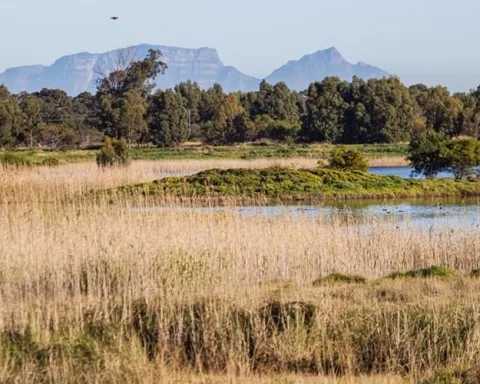
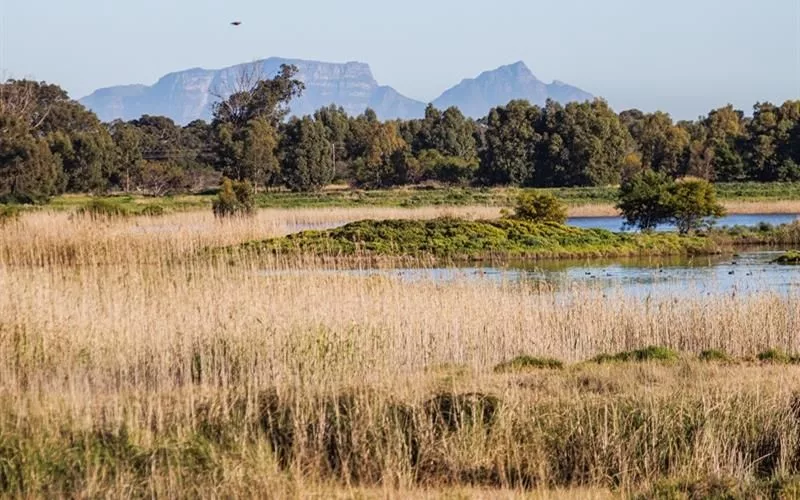
In the early hours of February 17, 2025, a lively gathering took place at the Zeekoevlei section of the [False Bay Nature Reserve](https://capetown.today/the-hidden-gem-of-false-bay-a-maritime-sanctuary/). The morning sun cast a gentle glow over a group of dedicated individuals ready to engage in meaningful work. Leading this initiative was Cape Town’s Deputy Mayor and Mayoral Committee Member for Spatial Planning and Environment, Alderman Eddie Andrews. The assembly was more than a routine civic duty; it represented a significant step in advancing environmental stewardship under the 2025 World Wetlands Day theme: ‘Protecting Wetlands for Our Common Future.’
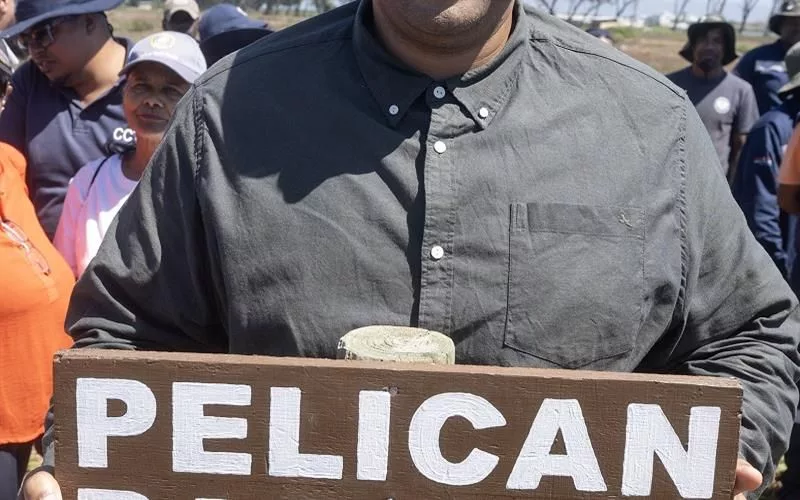
The participants were not dressed in formal attire. Instead, they donned gear suitable for physical labor, underscoring their dedication to the cause. City officials, River Wardens, and volunteers banded together with a clear mission: to restore the nature reserve’s pathways, remove pollution, and eradicate invasive plant species. Alderman Andrews emphasized the importance of these efforts in preserving the ecological balance and improving public access, including unveiling a new entrance for Pelican Park residents.
False Bay Nature Reserve, amidst the urban sprawl, exemplifies the harmonious coexistence of nature and city life. It boasts rich biodiversity and holds ecological significance, epitomizing sustainable urban planning – an ideal that Cape Town consistently champions. Designated as a RAMSAR site since 2015, the reserve underscores the city’s commitment to protecting critical wetland ecosystems, a designation requiring adherence to rigorous standards focused on ecological value and biodiversity.
The Critical Role of Wetlands
Wetlands are often described as the planet’s lifelines, a sentiment echoed by Alderman Andrews. These ecosystems serve as crucial connections between mountains and oceans, offering sanctuary to diverse flora and fauna. They act as natural filters, sequestering carbon, purifying water, and providing habitat for a significant portion of global species. However, the future of South Africa’s wetlands is precarious. Nearly half of these vital ecosystems are critically endangered, and urban development combined with pollution has already destroyed half of the country’s wetland areas.
The urgency to safeguard these natural treasures is evident, but Cape Town is taking action rather than merely raising alarms. Among its proactive measures is the River Warden Skills Development Programme. This initiative prioritizes marginalized communities residing near urban nature reserves, equipping individuals with conservation skills and fostering active participation in environmental management.
As the sun climbed higher, casting its light across the marshlands, volunteers’ efforts began to reveal tangible results. Paths emerged from the undergrowth, and the litter that once marred Zeekoevlei’s natural beauty vanished. Removing invasive species was more than an aesthetic improvement; it was a reclamation of space for indigenous plants, allowing the reserve’s native biodiversity to thrive once again.
A Global Movement for Preservation
This collective action transcends local efforts, aligning with a global movement that recognizes wetlands’ essential role in combating climate change and promoting environmental sustainability. By championing wetland preservation, Cape Town aligns itself with worldwide efforts to safeguard these critical ecosystems, which are vital for both nature and humanity.
The story of wetland conservation is rich and varied. Long before modern efforts, indigenous cultures revered wetlands as sacred spaces. Their traditional knowledge, though often overlooked, offers valuable insights into sustainable living and environmental respect. In many ways, contemporary conservation initiatives echo these ancient practices, striving to restore balance in ecosystems disrupted by industrial advancement.
Art and literature have also highlighted wetlands’ significance. The Romantic movement, with its focus on nature’s beauty and sublimity, frequently drew inspiration from wetlands as symbols of mystery and transformation. These cultural references underscore wetlands’ enduring place in human imagination and their critical importance to our planet’s health.
The Artistic Legacy of Wetlands
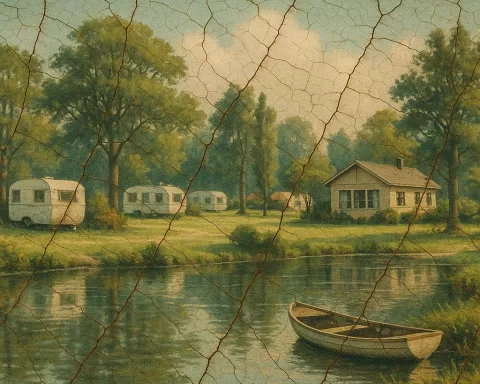
The haunting beauty of wetlands has been immortalized in art, notably by painters like John Constable and Thomas Cole. Their landscapes, often featuring marshes and fens, invite viewers to appreciate more than just aesthetics. They reveal the intricate dance of life within these environments. Such artistic endeavors remind us that wetlands, with their serene waters and lush vegetation, are not merely ecological sites but profound sources of inspiration.
As the day wore on, volunteers completed their tasks, enveloped by a palpable sense of achievement. The revitalized Zeekoevlei section of the False Bay Nature Reserve stood ready to continue its role as a haven for wildlife and a cherished community space. This transformation, driven by many hands, serves as a poignant reminder of the power of collective effort in achieving shared goals.
A Call to Action
The commemoration of World Wetlands Day at False Bay Nature Reserve transcended a simple event; it was a reaffirmation of commitment. It issued a clarion call for individuals to recognize their shared responsibility in preserving these vital ecosystems. Through initiatives like this, Cape Town is not merely protecting its natural heritage but also paving the way for a future where nature and humanity exist in harmony.
“`markdown
What is the significance of wetland conservation in Cape Town?
Wetland conservation in Cape Town is crucial for maintaining biodiversity, fighting climate change, and ensuring ecological balance. It supports local wildlife and provides essential ecosystem services, such as water purification and carbon sequestration. Local initiatives, like the River Warden Skills Development Programme, empower communities while events such as World Wetlands Day raise awareness about preserving these vital ecosystems for future generations.
What activities took place during the February 17, 2025, conservation event?
On February 17, 2025, volunteers gathered at False Bay Nature Reserve to clean up and restore the area. Under the leadership of Deputy Mayor Alderman Eddie Andrews, participants worked to clear paths, remove trash, and eradicate invasive plant species. This collective effort aimed to enhance public access to the reserve while preserving its ecological integrity.
Who was involved in the conservation efforts at False Bay Nature Reserve?
The conservation efforts at False Bay Nature Reserve involved a diverse group of participants, including city officials, River Wardens, and community volunteers. Their collaboration highlighted the importance of community involvement in environmental stewardship and showcased a united front in the mission to restore and protect the wetlands.
What is the River Warden Skills Development Programme?
The River Warden Skills Development Programme is an initiative designed to empower marginalized communities living near urban nature reserves. By equipping individuals with conservation skills and knowledge, the program fosters active participation in environmental management. This initiative underscores Cape Town’s commitment to inclusive conservation practices and community engagement.
How do wetlands contribute to combating climate change?
Wetlands play a vital role in combating climate change by acting as natural carbon sinks. They sequester carbon from the atmosphere, helping to mitigate greenhouse gas emissions. Additionally, wetlands purify water and provide habitat for a wide range of plant and animal species, making them crucial for maintaining ecological balance and resilience in the face of climate change.
How can individuals get involved in wetland conservation efforts?
Individuals can get involved in wetland conservation efforts by participating in local cleanup events, volunteering with organizations dedicated to environmental protection, or joining programs like the River Warden Skills Development Programme. Raising awareness about the importance of wetlands and advocating for sustainable practices in their communities can also contribute significantly to the preservation of these critical ecosystems.
“`