In the wild Western Cape, breathtaking beauty meets real danger, where hikers sometimes get lost or hurt. Last weekend, brave rescue teams worked fast, helping people stuck on rugged trails, giving medical care, and guiding them safely back. From mountain climbs to deep forests, these rescuers show courage and teamwork, turning scary moments into stories of hope and survival. Their skill and heart keep adventurers safe in nature’s stunning but unpredictable playground.
What happens during a wilderness rescue in the Western Cape?
Wilderness rescues in the Western Cape involve coordinated efforts by WSAR, EMS, and park rangers to assist injured or lost hikers. Key steps include rapid response, medical aid, navigation through difficult terrain, emotional support, and safe evacuation, ensuring safety in remote and hazardous environments.
Where Beauty and Peril Intersect
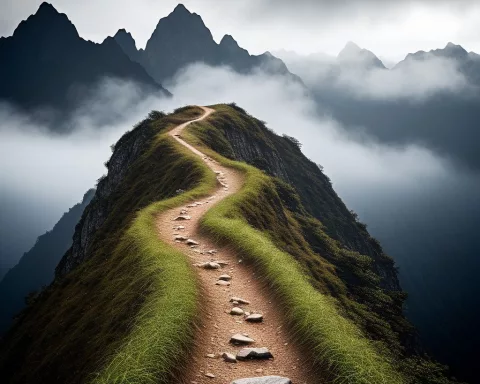
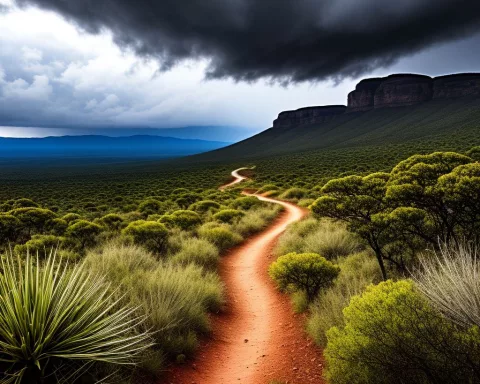
The Western Cape’s wild terrain presents a striking blend of breathtaking vistas and ever-present risk. Sunbeams filter through rugged mountains, casting dappled shadows across valleys where silence reigns and the wilderness waits. This spectacular backdrop, so enticing to adventurers, also conceals the hazards that come with isolation and unpredictable conditions. Last weekend, these lands set the stage for a remarkable series of rescues—a testament to both the unyielding force of nature and the steadfast courage of those who answer its challenges.
As dawn broke on Saturday, an urgent plea for help echoed across the radio waves. A 62-year-old woman, hiking alone near the remote trails of Berg River Dam, suffered an injury that left her stranded. The dam’s serene environment, renowned for its tranquility and solitude, can swiftly become treacherous when misfortune strikes beyond the reach of immediate aid. Recognizing the gravity of her situation, the woman called the emergency number—021 937 0300—a vital link connecting those in distress with seasoned rescue professionals.
Within minutes, a coalition formed. Wilderness Search and Rescue (WSAR), Western Cape Government Health and Wellness EMS, and Fire & Rescue rapidly converged on her location, each team drawing on years of experience navigating the region’s unpredictable landscape. These rescuers know well that every incident demands both technical prowess and deep empathy. Upon arrival, medics treated her injuries with meticulous care, focusing not only on her physical trauma, but also on providing reassurance and emotional support—essentials in any critical rescue. The next challenge demanded as much resolve as skill: carrying her on a stretcher across the Berg River, a task evoking the spirit of legendary mountain expeditions. Steady, practiced movements and thorough coordination ensured her safe return to her waiting vehicle by mid-afternoon, averting what could have spiraled into a life-threatening ordeal.
Teamwork in the Heart of the Wilderness
No sooner had one crisis concluded than another unfolded, this time under the emerald canopy of Cecilia Forest. Here, the ancient trees and mossy trails offer shelter and beauty but can become disorienting for even experienced hikers. On this occasion, a 32-year-old woman, feeling herself overcome by exhaustion, reached out for help. In the wild, fatigue extends beyond mere tiredness; it undermines decision-making and saps the will, turning manageable situations into emergencies. Her call mobilized both WSAR volunteers and rangers from SANParks – Table Mountain National Park, who responded without hesitation.
The integration of skilled volunteers and professional rescuers defines WSAR’s approach. This collaboration mirrors the philosophy of master craftspeople—each contributor brings unique expertise, and together they forge outcomes greater than the sum of their parts. Navigating through tangled undergrowth and complex terrain, the team located the hiker, assessed her condition, and provided both medical aid and steady reassurance. Calming a distressed mind often proves as crucial as treating the body. Once stabilized, the rescuers accompanied her safely back down the hillside, ensuring she reunited with her group before the clock struck half past two.
As evening shadows lengthened, a third call for help came from the Helderberg Nature Reserve—a place where rocky outcrops and dense shrubland test even the most seasoned trekkers. Two hikers, aged 34 and 49, had lost their way while descending West Peak. The approach of night and the looming closure of the reserve’s gates heightened their anxiety. Recognizing the dangers of navigating unfamiliar terrain after dark, they wisely sought assistance. Park rangers set out, employing their intimate knowledge of the reserve’s labyrinthine paths. Their calm competence and friendly demeanor lifted the hikers’ spirits, transforming a frightening experience into an instructive one. By early evening, the group reached the entrance, a timely return made possible through expert guidance and quick response.
On the Edge: Rescues from the Cape to Cederberg
Sunday’s sunlight revealed yet another challenge—this time on the famed slopes of Platteklip Gorge. Known as the backbone of Table Mountain’s many trails, Platteklip lures locals and foreigners alike with its promise of panoramic views. Yet its steep sections and loose stones have humbled many. During the busy afternoon, a 60-year-old visitor from the United States lost his footing while descending and sustained injuries that prevented him from going further. The call for help quickly mobilized WSAR rescuers, each familiar with the gorge’s deceptive hazards. They ascended promptly, delivered on-the-spot care, and carefully guided the injured hiker back to safety. Every rescue along this path reminds all who pass that even well-known trails demand respect and vigilance.
As darkness approached, the weekend’s final drama unfolded in the remote, haunting terrain of the Cederberg. Here, ancient cliffs glow orange at sunset, and the wind moves through rock formations shaped by millennia. Near the Algeria Camp Site, two vehicles veered off the road, far from the beaten path. The call for help set WSAR teams into motion, their readiness sharpened by experience with the Cederberg’s loose gravel, sudden drops, and deep isolation. Before deployment became necessary, local crews secured the scene and relayed word that all parties were safe. The decision to stand down may seem anticlimactic, yet it underscores a core principle: those who serve remain prepared for every eventuality, honoring the wilderness’s capacity for both beauty and danger.
Lessons from the Field: The Soul of Modern Rescue
These rescue stories transcend mere lists of incidents; they reveal a vibrant community bound by shared purpose and unwavering dedication. WSAR exemplifies a tradition of collective action, drawing from the same spirit that filled the ranks of early fire brigades in London and the pioneering alpine rescue teams of Switzerland. Their members train relentlessly, knowing most calls may never come, yet they stand ready to answer disaster’s unpredictable summons.
Veteran rescuers often speak of the subtle artistry behind their work. One remembers guiding a stranded climber off Table Mountain under little more than moonlight and instinct. Another describes tracking a lost child by piecing together faint clues—a snapped twig, a shallow footprint—proving that attention to detail and patient observation can be as critical as strength and speed. These anecdotes capture the essence of rescue: a blend of intuition, experience, and deep respect for nature’s mysteries.
Technology has transformed the field. GPS units, helicopters, and thermal cameras now aid searches that once relied solely on maps and lanterns. Yet the core values endure—trust, open communication, and humility before the landscape. This ethos echoes in the writings of wilderness advocates like John Muir and the evocative paintings of J.M.W. Turner, both champions of the wild’s power to shape and inspire the human spirit.
In the Western Cape, every trail, river, and mountain holds stories of struggle and salvation. Each successful rescue writes a new chapter in the ongoing saga of humans confronting the wild—sometimes at their most vulnerable, always reaching for hope. Through the dedication of networks like WSAR, the boundary between civilization and wilderness becomes a place not only of risk, but also of resilience and profound solidarity. Every time help arrives—carried on strong shoulders, guided by steady hands—another life finds its way home, and the tale of the land grows richer still.
FAQ: Guardians of the Wild – Wilderness Rescue in the Western Cape
1. What organizations are involved in wilderness rescues in the Western Cape?
Wilderness rescues in the Western Cape are coordinated efforts involving several key organizations, including Wilderness Search and Rescue (WSAR), Emergency Medical Services (EMS), Fire & Rescue teams, and park rangers from SANParks (such as Table Mountain National Park). These groups work together to provide rapid response, medical aid, and safe evacuation in remote and challenging terrains.
2. How do rescuers reach and assist injured or lost hikers in rugged terrain?
Rescuers use a combination of local knowledge, physical endurance, and specialized equipment to navigate difficult landscapes like mountains, forests, and reserves. They often trek on foot, sometimes carrying injured hikers on stretchers across obstacles such as rivers or rocky paths. Medical care is administered on-site, and emotional support is provided to calm and reassure those in distress. Advanced tools like GPS units, thermal cameras, and radios also aid their efforts.
3. What should hikers do if they get lost or injured in the Western Cape wilderness?
Hikers should immediately call the emergency number 021 937 0300 if they find themselves lost, injured, or in distress. Staying calm and stationary if possible can help rescuers locate them more easily. It’s important to inform others of your hiking plans before heading out, carry basic safety gear, and be prepared for sudden changes in weather and terrain.
4. What challenges do rescuers face during wilderness missions in the Western Cape?
Rescuers contend with unpredictable weather, difficult terrain such as steep slopes, dense forests, and remote locations far from roads or medical facilities. Fatigue, injury, and disorientation among hikers complicate rescues. Additionally, timing is critical; for instance, approaching darkness or reserve gate closures can increase risks. Teams must work efficiently, coordinating multiple agencies and employing both physical and emotional support skills.
5. How has technology impacted wilderness rescues?
Modern technology has greatly enhanced rescue efforts. GPS devices help pinpoint exact locations, thermal cameras assist in detecting people in dense vegetation or low light, and helicopters can accelerate evacuation in critical situations. Despite technological advances, core rescue principles remain focused on teamwork, trust, and respect for the natural environment.
6. Why is teamwork so important in wilderness rescue operations?
Teamwork combines the unique skills and expertise of volunteers, professional rescuers, medics, and rangers to achieve outcomes greater than any individual could manage alone. Coordination ensures that people in need receive timely medical treatment, safe navigation through complex terrain, and emotional support. This collaborative spirit reflects the tradition and dedication seen in rescue organizations worldwide, emphasizing resilience and solidarity in the face of nature’s challenges.