The Gugulethu Infill housing project in Cape Town has faced many challenges, from contractor issues to Covid-19 delays, but the project teams and beneficiaries have remained dedicated and resilient. The project will provide 1,004 homes to deserving families, and the City is committed to completing it efficiently. Housing allocation follows strict procedures to ensure fairness and transparency. The project is a beacon of hope and a symbol of a prosperous future for the community.
Trials and Triumphs: Resilience Amidst Challenges
The Gugulethu Infill housing project has experienced a gamut of hurdles and hard times. From contractor snags to unforeseen delays initiated by the national Covid-19 lockdown, this project has braved it all. Yet, the spirit of resilience triumphed, and today, we applaud the unwavering dedication of the project teams, contractors, and particularly, the beneficiaries.
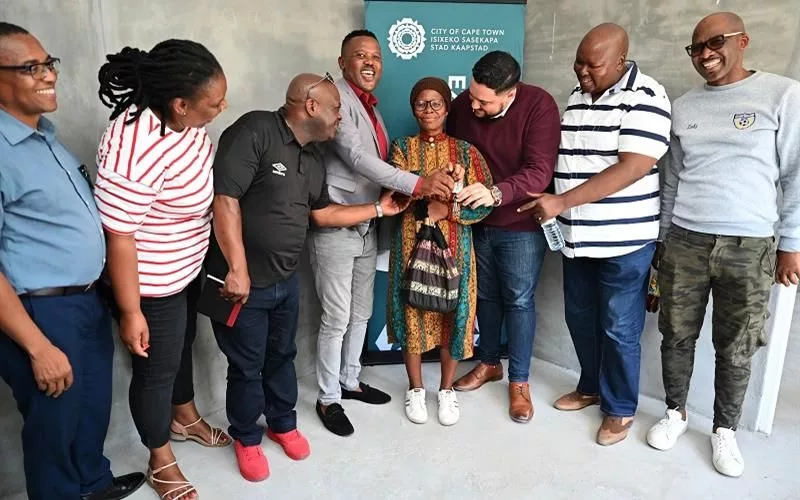
On a regular day, the vivacious lanes of Gugulethu, one of Cape Town’s many dynamic townships, resonate with the resolve of its residents. However, today, a unique harmony engulfs the atmosphere. A significant event heralds the onset of a renewed epoch in Gugulethu’s Infill housing project, as the City transfers ownership of freshly constructed Breaking New Ground (BNG) houses to worthy recipients.
Leading the charge of this audacious initiative is Human Settlements Mayoral Committee Member, Councillor Carl Pophaim. Accompanied by the committed staff in the directorate, Pophaim examined the project’s evolution, and importantly, celebrated with the beneficiaries at the Erf 8448 site of Gugulethu and the Mau Mau site in Nyanga. Despite considerable obstacles and drawbacks encountered in the past, the City’s assumption of the project signifies a revival of optimism and a rapid progression towards completion.
Trials and Triumphs: Resilience Amidst Challenges
The Gugulethu Infill housing project, entangled in intricacies and drawbacks, has experienced a gamut of hurdles and hard times. From contractor snags to unforeseen delays initiated by the national Covid-19 lockdown, this project has braved it all. It also grappled with attempted extortions, unauthorized occupation of semi-completed units at the Mau Mau site, and deliberate damage to finished works. Yet, the spirit of resilience triumphed, and today, we applaud the unwavering dedication of project teams, contractors, and particularly, the beneficiaries.
These victorious narratives of perseverance are not merely about the physical structure, but about the dreams gradually crystallizing within these frameworks. When finished, the Gugulethu Infill housing project will bestow 1,004 homes upon deserving beneficiaries and their families. This figure includes 570 units at the Gugulethu site and 434 at Mau Mau. The Mau Mau site already showcases 131 completed units, a tribute to the grit and determination of those involved.
A Steady Pace Towards Completion
The City, on its part, maintains an unwavering commitment to facilitating housing opportunities for those in dire need. Driven by devotion, the teams are unflinching in their mission to complete the Gugulethu Infill housing project for the beneficiaries and their families. The ongoing work on site progresses at an encouraging rate, with an objective to complete it as efficiently as possible.
Councillor Pophaim expressed his deep gratitude towards the communities, City teams, and project steering committees. Their ceaseless efforts and dedication to advancing this project and providing rightful beneficiaries with their new homes deserve recognition.
Upholding Fairness and Transparency in Housing Allocation
Housing allocation for City projects follows a rigorous procedure, controlled by the City’s Housing Allocation Policy and Housing Needs Register. These steps have been instituted to preserve a just and transparent system to prevent queue jumping. The selection process is conducted in strict accordance with South African legislation, ensuring that housing opportunities are provided exclusively to those who qualify.
An Architectural Marvel and Beacon of Hope
The Gugulethu Infill housing project is not only an architectural marvel but also a shining beacon of hope for the city’s multitude of expectant inhabitants. As more homes are handed over, the project emerges as a testament to the spirit of unity, determination, and the collective dream of home ownership. Indeed, in Gugulethu, a new day has dawned, and the sun casts a brilliant light on the houses that symbolize a prosperous future.
1. What is the Gugulethu Infill housing project?
The Gugulethu Infill housing project is a housing initiative in Cape Town that aims to provide 1,004 homes to deserving families.
2. What challenges has the project faced?
The project has faced challenges such as contractor issues, Covid-19 delays, attempted extortions, unauthorized occupation of semi-completed units, and deliberate damage to finished works.
3. How is the City committed to completing the project efficiently?
The City is committed to completing the project efficiently by maintaining an unwavering commitment to facilitating housing opportunities for those in dire need and ensuring that the ongoing work on site progresses at an encouraging rate.
4. How is fairness and transparency upheld in housing allocation for City projects?
Housing allocation for City projects follows a rigorous procedure, controlled by the City’s Housing Allocation Policy and Housing Needs Register, and is conducted in strict accordance with South African legislation to ensure that housing opportunities are provided exclusively to those who qualify.
5. How does the Gugulethu Infill housing project symbolize a prosperous future for the community?
The Gugulethu Infill housing project symbolizes a prosperous future for the community as it provides deserving families with their own homes and is a shining beacon of hope for the city’s multitude of expectant inhabitants.
6. How many homes will the Gugulethu Infill housing project provide?
The Gugulethu Infill housing project will provide 1,004 homes to deserving families, which includes 570 units at the Gugulethu site and 434 at Mau Mau.