South Africa’s transition towards renewable energy, led by independent power producers such as Red Rocket, was showcased at the 30th Energy Digicon. These green energy initiatives not only address the country’s energy deficit but also create employment opportunities and boost the local economy. Notable projects include the Kruisvallei hydro project and the Roggeveld Wind energy facility, both of which are expected to generate significant amounts of electricity while having a positive impact on the environment and the nation’s economic wellbeing. The event symbolizes a shared vision for a future dominated by green energy, devoid of power cuts, and with a reduced environmental footprint.
Renewable energy initiatives in South Africa are creating employment opportunities and reducing reliance on fossil fuels. Independent power producers like Red Rocket are leading the country’s transition towards a more sustainable future, with notable projects including the Kruisvallei hydro project and the Roggeveld Wind energy facility. These projects also boost the local economy and encourage local industries, making a positive impact on the nation’s overall economic wellbeing.
Demonstrating Progress in the Energy Sector
The 30th Energy Digicon, under the aegis of Premier Alan Winde, showcased the remarkable progress of independent power producers (IPPs), such as Cape Town-based Red Rocket, in confronting South Africa’s persistent energy deficit. By actively leading the country’s transition towards renewable energy, these IPPs are putting a halt to the incessant power outages. The gathering provided a glimpse of a promising and sustainable future, lit by the torch of green energy.
Sharief Harris, the Chief Development Officer at Red Rocket, was a key figure at the conference. He elaborated on the wide variety of energy projects that Red Rocket currently oversees, which include an array of renewable energy resources. “Our current portfolio boasts 1.8 GW across the continent, either in operation, under construction, or awarded and moving towards financial closure and commencement of construction in the forthcoming year,” Harris stated.
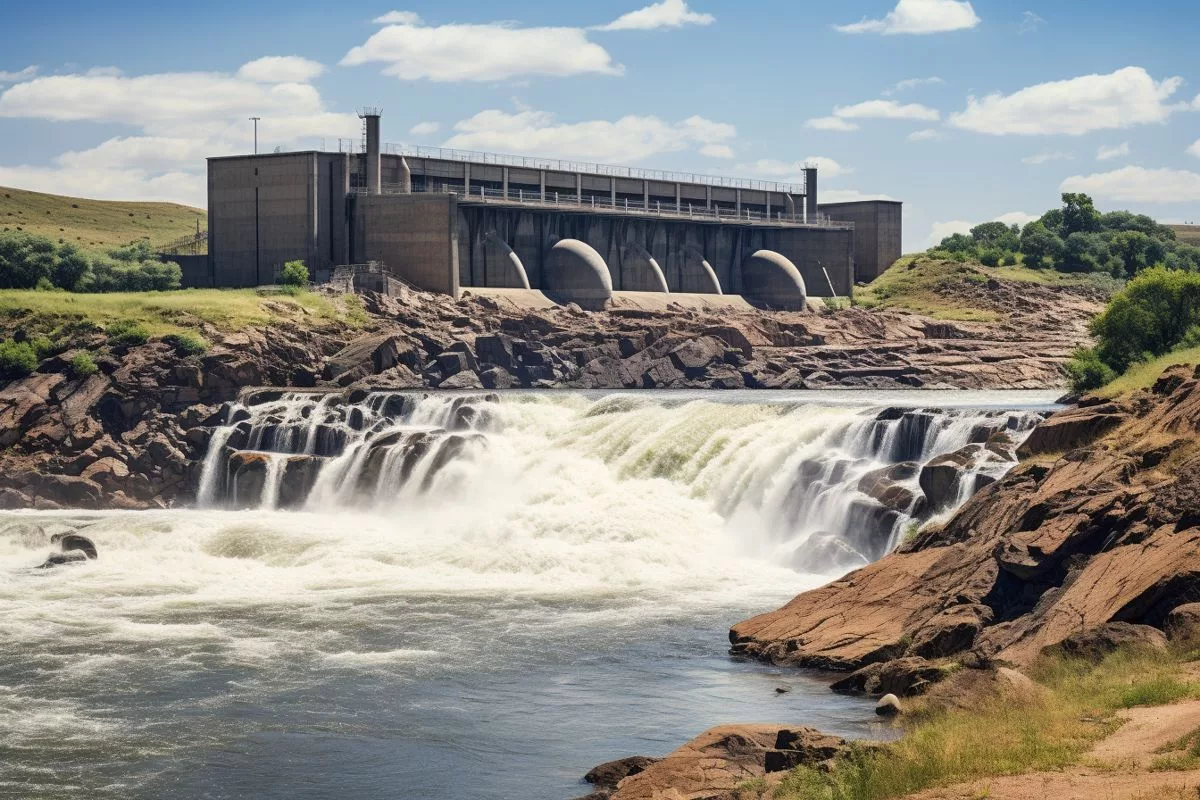
Notable among these green energy initiatives is the Kruisvallei hydro project, situated by the Ash River in the Free State. The hydroelectric plant is projected to generate 24 GWh of electricity each year, meeting the power requirements of approximately 1916 households. The Roggeveld Wind energy facility located near Laingsburg is yet another notable project of Red Rocket, expected to produce 613 GWh of power annually, enough to power around 50,000 households.
Additional Successful Ventures and Social Impact
Other impressive initiatives include the Kathu Solar plant in the Northern Cape, set to produce around 150 GWh of power annually, and the Tororo Solar North Limited. This purpose-specific entity will manage a 10 MW photovoltaic plant in Uganda.
However, the advantages of these green energy projects reach far beyond simply generating power. They create employment opportunities and, crucially, represent a shift away from environmentally damaging reliance on fossil fuels. The construction of the Roggeveld Wind farm alone has created 200 jobs, with 20 permanent positions to maintain the facility. Correspondingly, the Brandvalley and Rietkloof Wind farms have generated 400 jobs during their construction, with 50 full-time positions for ongoing operations.
These renewable projects also boost the local economy, as a significant proportion of the materials and components utilised are manufactured within South Africa. This strategy fosters job creation and encourages local industries, thereby enhancing the nation’s overall economic wellbeing.
A Shared Vision for a Green Future
Premier Alan Winde highlighted the crucial role of IPPs in achieving the Western Cape’s ambitious goal of producing 5700 MW of power in the near future. “We are committed to enabling the private sector, particularly IPPs, such as Red Rocket, to assist us in reaching our goal. Ending power cuts will only be possible through the formation of business partnerships,” the Premier asserted.
Even after the conclusion of the 30th Energy Digicon, its spirit of collaboration persists, underscoring the importance of the public-private partnership in this sector. The event symbolises a shared vision for a future dominated by green energy, devoid of power cuts, and with a reduced environmental footprint.
For those wishing to revisit this significant event, a recording of this week’s digicon is available here.
The advancements made by IPPs like Red Rocket reveal a future where energy security is an achievable goal, not just a distant aspiration. South Africa’s path towards energy autonomy, driven by renewable energy sources, truly exemplifies the potential of green energy. It reinforces the belief that sustainability and progress can harmoniously coexist, sculpting a future that is as green as it is bright.
1. What is the 30th Energy Digicon?
The 30th Energy Digicon is an event that showcases South Africa’s progress in the transition towards renewable energy. It highlights the role of independent power producers (IPPs) such as Red Rocket in addressing the country’s energy deficit.
2. What are some of the notable renewable energy projects in South Africa?
Notable renewable energy projects in South Africa include the Kruisvallei hydro project and the Roggeveld Wind energy facility, both of which are overseen by Red Rocket. The Kruisvallei hydro project is expected to generate 24 GWh of electricity each year, while the Roggeveld Wind energy facility is projected to produce 613 GWh of power annually.
3. How do these green energy initiatives impact employment opportunities?
Green energy initiatives create employment opportunities, with the construction of the Roggeveld Wind farm alone creating 200 jobs. Projects like Brandvalley and Rietkloof Wind farms have generated 400 jobs during their construction and employ 50 full-time positions for ongoing operations.
4. How do these initiatives benefit the local economy?
These initiatives boost the local economy by encouraging local industries and fostering job creation. A significant proportion of the materials and components utilized in these projects are manufactured within South Africa.
5. What is the role of IPPs in achieving energy autonomy in South Africa?
IPPs like Red Rocket play a crucial role in achieving South Africa’s goal of producing 5700 MW of power in the near future. Premier Alan Winde highlights the importance of business partnerships with IPPs to reach the goal of ending power cuts.
6. What is the significance of the 30th Energy Digicon?
The 30th Energy Digicon symbolizes a shared vision for a future dominated by green energy, devoid of power cuts, and with a reduced environmental footprint. The event highlights the potential of green energy and reinforces the belief that sustainability and progress can harmoniously coexist.