South Africa has been battling a cholera outbreak that has affected various parts of the country. However, there has been significant progress made by the Department of Health along with different stakeholders in containing the disease’s spread and saving lives. Here is an update on the response to the cholera outbreak in South Africa.
Response Teams and Contact Tracing
The National, Provincial, and District Outbreak Response Teams have been activated to contain the spread of the disease. These teams have managed to reach over 300 contacts in their case-finding and contact tracing activities.
Hygiene Packs and Health Promotion
Health promotion and the continuous distribution of 3,000 hygiene packs donated by UNICEF and Doctors Without Borders to households and local schools in the affected communities have also helped in containing the spread of cholera.
Temporary Health Facility
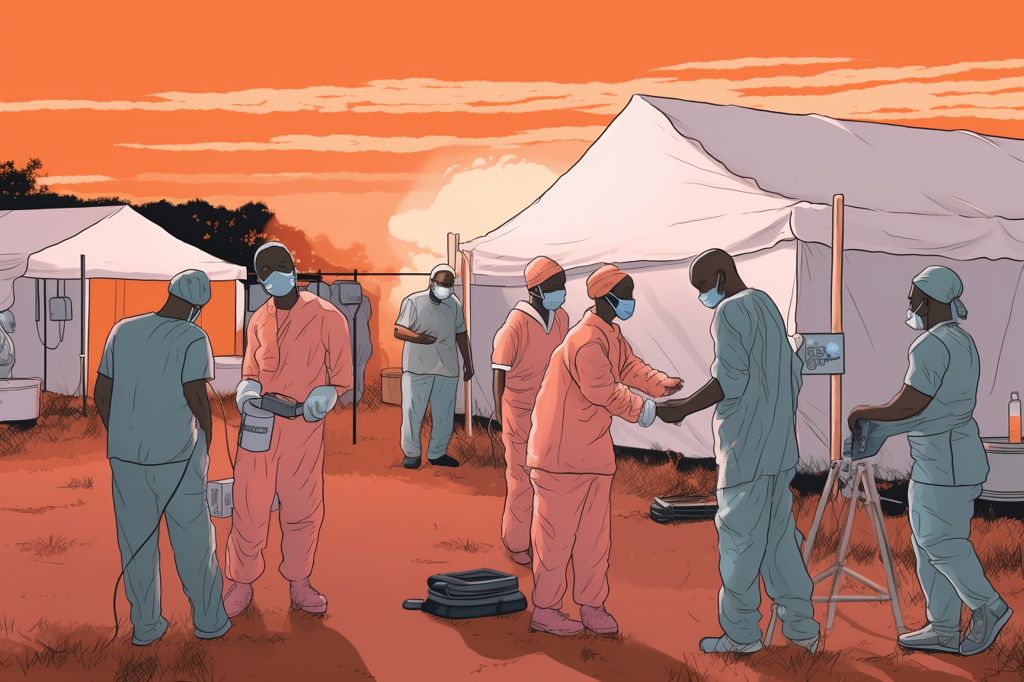
A temporary field health facility called Kanana Cholera Treatment Centre has been set up in Hammanskraal, the epicenter of the outbreak, to alleviate the pressure on the Jubilee hospital. This makeshift hospital has been operating around the clock since May 26 and has attended to over 200 people.
Cases of Cholera
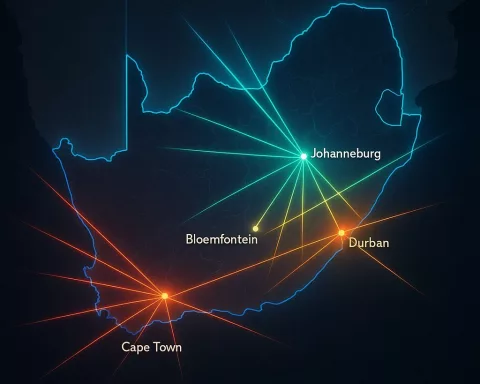
Between February 1 and June 6, 2023, South Africa recorded a cumulative total of 166 laboratory-confirmed cases and 202 suspected cases of cholera across five provinces. The majority of cases, 92% or 152 cases, were reported in Gauteng, while the Free State Province accounted for 5%, or 9 cases. Other provinces with reported cases include Limpopo (1), Mpumalanga (1), and North West (3).
Mortality Rate
The mortality rate from the outbreak currently stands at 31, with 29 deaths in Gauteng, and one each in Free State and Mpumalanga.
Psychosocial Support and Precautionary Measures
The Department of Social Development has been providing psychosocial support and social relief packages to the families of the deceased. As a precautionary measure, the public has been urged to remain vigilant and avoid known or suspected contaminated food, water, and surfaces. Thorough handwashing with soap before handling food or after using the restroom is crucial in preventing infection. Drinking water from unsafe sources such as rivers, dams, and streams should be avoided unless boiled or disinfected first.
Access to Information
The Health Department has made it easy to access information through their spokespersons, Mr. Foster Mohale and Mr. Doctor Tshwale. They can be reached through their respective email addresses, Foster.mohale@health.gov.za, and Doctor.Tshwale@health.gov.za.
The joint efforts of the Department of Health, response teams, and organizations like UNICEF and Doctors Without Borders have proven to be vital in containing the cholera outbreak in South Africa. With continued vigilance and adherence to precautionary measures, it is hoped that the outbreak will be brought under control, and the lives of those affected can return to normalcy.