Heated Exchanges in Ramaphosa vs. Zuma Case: A Comprehensive Overview

1 min read
south africa legal battle

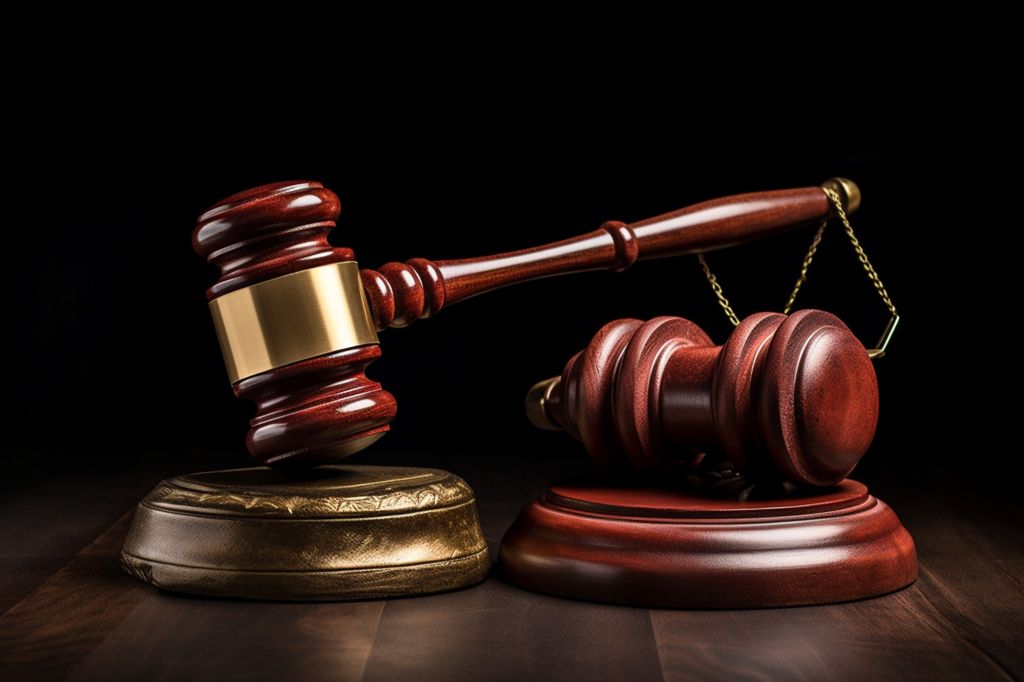
The legal battle between South African President Cyril Ramaphosa and former president Jacob Zuma has intensified. During a session at the Gauteng High Court in Johannesburg, both parties’ legal teams engaged in heated exchanges. The case is presided over by a full bench of judges Selby Baqwa, Lebogang Modiba, and Mohammed Ismail.

Zuma’s Accusation Against Ramaphosa

The ongoing case revolves around Zuma’s accusation that Ramaphosa failed to act on a complaint lodged against state advocate Billy Downer and journalist Karyn Maughan in 2020. Consequently, Zuma sought private prosecution against President Ramaphosa on charges of being an accessory after the fact, related to crimes in the case.

Newsletter

Stay Informed • Cape Town

Get breaking news, events, and local stories delivered to your inbox daily. All the news that matters in under 5 minutes.

Join 10,000+ readers
No spam, unsubscribe anytime

Heated Exchanges in Court

The tensions between both parties escalated as advocate Dali Mpofu, Zuma’s lawyer, launched a scathing attack on the National Prosecuting Authority (NPA) and KZN Director of Public Prosecutions Elaine Zungu. In the courtroom, Mpofu also criticized Ramaphosa’s decision to bring the matter to the wrong court. This prompted Judge Modiba to urge him to “tone down” his rhetoric.

Ramaphosa’s Defense

On the other hand, state attorney and Ramaphosa representative, advocate Ngwako Maenjte, dismissed the case as frivolous, vexatious, and an abuse of the court process. He argued that the case was aimed at settling political scores or dealing with personal animosity. Maenjte further contended that even if the president faced criminal charges, he should first be brought to criminal court to plead before approaching a civil court to determine the right to prosecute.

Potential Implications

As the case progresses, the legal battle between Ramaphosa and Zuma is likely to have a significant impact on the future of both leaders as well as South Africa’s political landscape. The court’s decision will undoubtedly play a crucial role in shaping the trajectory of these two prominent figures in South African politics.

This comprehensive overview of the case aims to provide a balanced perspective on the ongoing legal dispute without drawing any conclusions on the outcome or its potential implications. The fiery language used during the proceedings underscores the high stakes of this legal battle.

Michael Jameson is a Cape Town-born journalist whose reporting on food culture traces the city’s flavours from Bo-Kaap kitchens to township braai spots. When he isn’t tracing spice routes for his weekly column, you’ll find him surfing the chilly Atlantic off Muizenberg with the same ease he navigates parliamentary press briefings.

Leave a Reply

Your email address will not be published.

Previous Story

Cape Town’s Mayor Geordin Hill-Lewis: Vision and Resilience Amid Challenges

Next Story

Old Macdonald’s Rescue: A Testament to Compassion and Community Spirit

Latest from Blog

From Randburg to the Record Books: How Tyla Rewrote Pop History in 2:45

Tyla, a young artist from Randburg, South Africa, exploded onto the music scene with her song “Chanel.” This catchy tune, made simply on headphones, became a massive hit without biglabel help. Thanks to TikTok and Spotify’s smart playlists, her music found millions of listeners globally. Tyla’s success shows that a great song, shared widely online, can now rewrite music history and reach the top charts, even from far away. She owns her music, giving her power that earlier artists never had.

Cape Town’s “Red Wedge”: How a 900-Metre Airport On-Ramp Became South Africa’s Most Watched Kill-Zone

{“summary”: “The \”Red Wedge\” in Cape Town is a dangerous 900meter stretch of airport road. It’s famous for terrible crimes like carjackings and smashandgrabs, making it South Africa’s most watched ‘killzone.’ This area was poorly designed in the 1970s, which now helps criminals ambush cars. Even with many cameras, police struggle to stop the quick attacks. Now, a big wall is being built, and new tech like drones and special apps are helping to fight back against the robbers.”}

South Africa’s 2025 Beef Surge: When Biology, Red Tape and a Thirsty Planet Collide

South African beef prices shot up in 2025, not because of local good news, but because the world ran short of red meat. Fewer cattle everywhere and China’s pork problems made other countries hungry for South African beef. Even with local sickness and people here buying less, farmers made more money. They sold to new places like the Middle East, using special tricks to get around problems. But the future is tricky, with animal sickness, changing weather, and how much money is worth all playing a part in what happens next for South African beef.

A Province That Won’t Stop Knocking on the Constitutional Door

The Western Cape really wants to break away from South Africa, but it’s super hard because of the law. The country’s main rule says South Africa must stay as one, and changing that is almost impossible. Even though many people in the Western Cape feel left behind and want to control their own future, the government keeps saying ‘no’. So, for now, the Western Cape has to find other ways to get more power without leaving the country.