Heavy Rainfall Boosts Western Cape Dam Levels: DWS Monitors Situation

1 min read
western cape dam levels

The National Department of Water and Sanitation (DWS) is closely monitoring the water situation in the Western Cape following heavy rainfall, which has boosted dam levels in the province. The Western Cape Water Supply System (WCWSS), which consists of the six largest dams in the area, has reached an impressive 90% capacity, the highest level since June 2014. The Theewaterskloof dam, for example, currently has a water level of 96%, a significant increase from last year’s 76.67%.

Dam Levels Continue to Increase

Aside from the Theewaterskloof dam, the Olifants/Doorn River Catchment’s water level on the West Coast has also increased by over 40% compared to the previous week. Furthermore, 17 dams, including Karee, Misverstand, Ceres, and Brandvlei, have experienced an increase of more than 5%, with no recorded decrease in dam levels this week.

Newsletter

Stay Informed • Cape Town

Get breaking news, events, and local stories delivered to your inbox daily. All the news that matters in under 5 minutes.

Join 10,000+ readers
No spam, unsubscribe anytime

Flooding Causes Damage to Communities

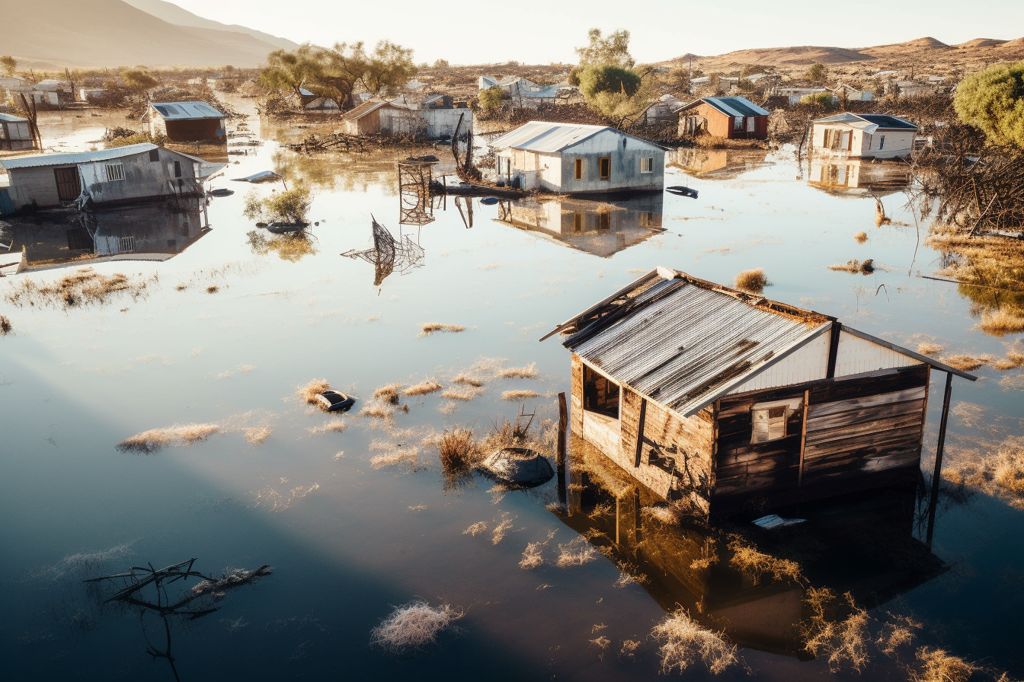
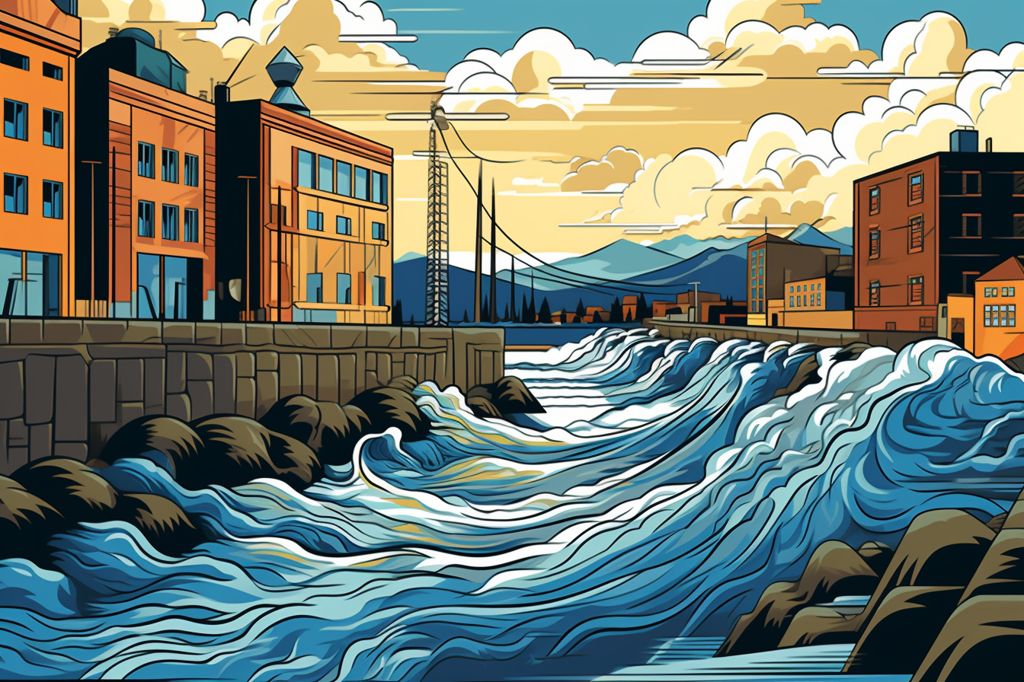
Unfortunately, the heavy rainfall has caused damage to several communities, particularly those in informal settlements. Ntombizanele Bila-Mupariwa, DWS Western Cape Provincial Head, reported the loss of two lives due to flooding, while localized flooding occurred near the Clanwilliam Dam wall construction site. However, no immediate reports of infrastructure damage, such as gauging stations and dams, were recorded. The Clanwilliam Dam Construction Site Office remains undamaged, but the foreman’s office and eight containers were washed away due to unexpected high flows. Consequently, the dam apron surface work will be delayed until the dam stops spilling, while other critical path activities such as quarry development and embankment work will proceed.

Water Supplies Remain Uninterrupted

Despite the damage and loss of life caused by the heavy rainfall, water supplies have not been disrupted yet. The DWS is auditing their infrastructure to detect any damages, and they will release a comprehensive report through various platforms. Bila-Mupariwa emphasized the importance of using water prudently, as the majority of rainfall occurs during winter months, which is stored and used throughout the hot and dry summer in Western Cape.

Additional Heavy Rainfall Expected

The South Africa Weather Services has issued a warning for additional heavy rainfall this week, and residents are advised to be prepared and take necessary precautions. For more information, contact Wisane Mavasa, Spokesperson for the Department of Water and Sanitation, at 060 561 8935.


A Russian-Spanish journalist and Cape Town native, channels his lifelong passion for South Africa into captivating stories for his local blog. With a diverse background and 50 years of rich experiences, Serjio's unique voice resonates with readers seeking to explore Cape Town's vibrant culture. His love for the city shines through in every piece, making Serjio the go-to source for the latest in South African adventures.

Leave a Reply

Your email address will not be published.

Previous Story

The Power of Collaboration in Disaster Management: Responding to Flooding in Western Cape

Next Story

MEC Mireille Wenger and the Success of the 2023 SMME Booster Fund

Latest from Blog

Dawn, Dirt and Dinner: A Willowvale Kitchen Without Walls

In Willowvale, farmers cleverly plant in manurefilled pits to save water and feed the soil. They also build special ditches to catch rainwater, making sure not a single drop goes to waste. Cooking happens outdoors, over crackling fires, using fresh food grown right there. They even turn old things into new cooking tools. It’s all about living close to the earth and making every bit count, showing a deep love for nature.

Cape Town Quietly Rewrites the Rules Between Tradition and the State

Cape Town is cleverly changing how it supports traditional initiation camps. They now treat these camps like temporary city areas, providing water, toilets, and trash pickup. This helps keep everyone safe and healthy, using smart data to track everything. It’s a quiet revolution, making sure old traditions fit smoothly into modern city life, and other cities are starting to notice this clever plan.

South Africa Plays Hardball on Hoof-and-Mouth: A Five-Year Blitz to Reopen R7 Billion in Beef Trade

South Africa is launching a massive fiveyear plan to crush FootandMouth Disease for good. They’re upgrading labs, getting tons of vaccines, and working with villages to tag and track every animal. This tough new strategy, backed by big money, aims to reopen a R7 billion beef trade with countries like China and the EU. They’re using strict rules, new tech, and even special meetings with local leaders to make sure no sick animal slips through. It’s a fullon war to protect their cattle and bring back their valuable beef exports!