Herman van der Westhuizen: Conquering the Oceans Seven Challenge

1 min read
open water swimming extreme sports

Herman van der Westhuizen, a businessman from Stellenbosch, recently accomplished the Oceans Seven swim challenge, becoming the second South African and the 24th person worldwide to achieve this extraordinary feat. He began his 13-year-long journey by swimming across the English Channel in 2012.

The Oceans Seven Challenge

The Oceans Seven Challenge, recognized by the World Open Water Swimming Association, consists of completing seven extreme open ocean swims in various locations worldwide. Each swim presents significant challenges, including varying water temperatures, strong currents, rough seas, nighttime swimming, disorientation, nausea, and the potential encounter with hazardous marine life. Preparation for each swim can take up to two years.

Newsletter

Stay Informed • Cape Town

Get breaking news, events, and local stories delivered to your inbox daily. All the news that matters in under 5 minutes.

Join 10,000+ readers
No spam, unsubscribe anytime

The Seven Swims

The seven swims included in the Oceans Seven Challenge are the English Channel, North Sea Channel, Molokai Channel, Cook Strait, Catalina Channel, Tsugaru Strait, and the Strait of Gibraltar. Swimmers are required to wear only a Speedo and goggles, with no touching the support boat allowed.

Herman’s Journey

Herman van der Westhuizen’s journey through the Oceans Seven saw him face numerous challenges and setbacks. In 2018, he had a terrifying experience in the Tsugaru Channel in northern Japan, where he nearly suffered a heart attack 800 meters from the finish line. He successfully completed the swim in 2019, though stormy conditions and heavy rain made the experience harrowing.

In 2020, he encountered strong currents while attempting the Cook Strait, serving as a reminder that nature ultimately determines the outcome of these swims. Undaunted, van der Westhuizen pressed on, conquering the Molokai Channel in Hawaii with a 15-hour swim that covered 45 km, battling disorienting darkness and powerful swells.

February 2023 marked the completion of the Cook Strait, though van der Westhuizen had to alter his plan and swim in the opposite direction. His most recent swim, the Strait of Gibraltar, took place just two weeks ago, leaving him with feelings of humility, immense gratitude towards his family and crew, and a profound appreciation for the power of the human body and mind.

Dedication and Perseverance

Van der Westhuizen’s dedication and perseverance throughout his Oceans Seven journey are truly inspiring. Despite the numerous challenges, he remained determined to achieve his goal. Among the memorable moments was the emotional swim across the Catalina Channel, where his family joined him for the last 100 meters in the cold 14-degree water.

Reflections and Future Plans

With this impressive accomplishment now under his belt, van der Westhuizen plans to refocus his time and energy on his family. While remaining open to new opportunities, he cautions against chasing the “next big thing” impulsively. His journey serves as a testament to the strength of human resilience and the power of determination, which will undoubtedly inspire others to pursue their dreams, however arduous they may be.
Chloe de Kock is a Cape Town-born journalist who chronicles the city’s evolving food culture, from township braai joints to Constantia vineyards, for the Mail & Guardian and Eat Out. When she’s not interviewing grandmothers about secret bobotie recipes or tracking the impact of drought on winemakers, you’ll find her surfing the mellow breaks at Muizenberg—wetsuit zipped, notebook tucked into her backpack in case the next story floats by.

Leave a Reply

Your email address will not be published.

Previous Story

Lesedi Kapinga’s Transition to Orlando Pirates: A Story of Ambition and Triumph

Next Story

Sinéad O’Connor: An Unwavering Icon Who Defied Mainstream Expectations

Latest from Blog

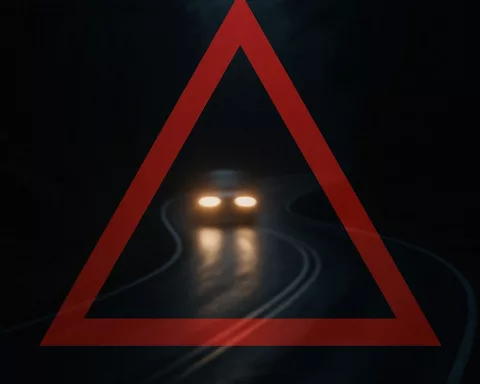
Cape Town’s “Red Wedge”: How a 900-Metre Airport On-Ramp Became South Africa’s Most Watched Kill-Zone

{“summary”: “The \”Red Wedge\” in Cape Town is a dangerous 900meter stretch of airport road. It’s famous for terrible crimes like carjackings and smashandgrabs, making it South Africa’s most watched ‘killzone.’ This area was poorly designed in the 1970s, which now helps criminals ambush cars. Even with many cameras, police struggle to stop the quick attacks. Now, a big wall is being built, and new tech like drones and special apps are helping to fight back against the robbers.”}

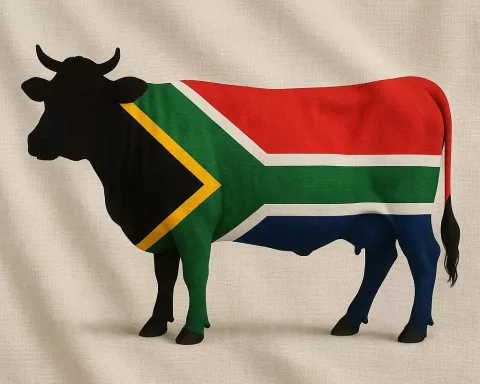
South Africa’s 2025 Beef Surge: When Biology, Red Tape and a Thirsty Planet Collide

South African beef prices shot up in 2025, not because of local good news, but because the world ran short of red meat. Fewer cattle everywhere and China’s pork problems made other countries hungry for South African beef. Even with local sickness and people here buying less, farmers made more money. They sold to new places like the Middle East, using special tricks to get around problems. But the future is tricky, with animal sickness, changing weather, and how much money is worth all playing a part in what happens next for South African beef.

A Province That Won’t Stop Knocking on the Constitutional Door

The Western Cape really wants to break away from South Africa, but it’s super hard because of the law. The country’s main rule says South Africa must stay as one, and changing that is almost impossible. Even though many people in the Western Cape feel left behind and want to control their own future, the government keeps saying ‘no’. So, for now, the Western Cape has to find other ways to get more power without leaving the country.

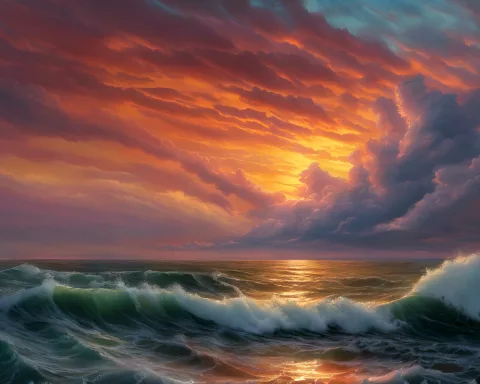
The Invisible Poison Lurking Beneath Sapphire Waves

{“summary”: “Imagine tiny, invisible sea bugs that create a deadly poison. Mussels eat these bugs and become full of this poison, called saxitoxin. If people eat these poisoned mussels, their nerves stop working, and they can’t breathe. This hidden danger is causing big problems for people who gather mussels and for the sea itself, killing lots of sea creatures and making the ocean sick. Scientists are working hard to find ways to spot this silent killer and keep everyone safe.”}