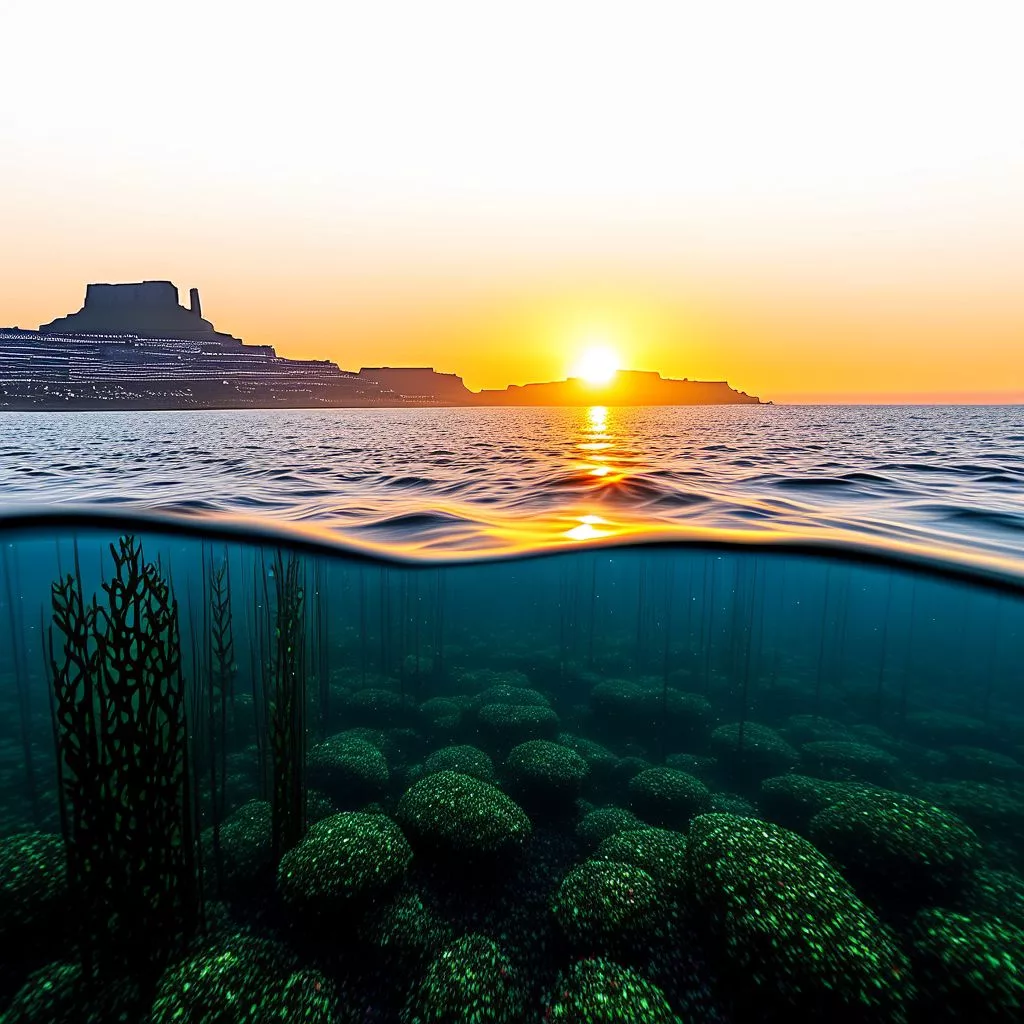
Pharmaceutical pollution in Hout Bay is quietly harming the ocean and its creatures. Chemicals from everyday medicines and personal care products sneak into the water, building up inside shellfish and upsetting the delicate balance of marine life. This invisible pollution not only threatens sea animals but also risks human health by spreading drug-resistant bacteria. Without better wastewater treatment and cleaner habits, the sparkling beauty of Hout Bay’s waters could fade, turning this vibrant bay into a warning of what happens when nature is ignored.
How does pharmaceutical pollution threaten marine life in Hout Bay?
Pharmaceutical pollution in Hout Bay harms marine life by introducing persistent chemicals from medicines and personal care products into the ecosystem. These pollutants accumulate in shellfish, disrupt biodiversity, promote antimicrobial resistance, and pose long-term health risks to both marine species and humans.
The Glittering Bay and Its Growing Shadows
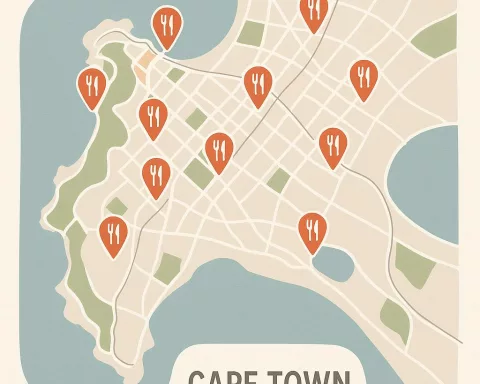
As the sun sets over Cape Town, Hout Bay’s shoreline often dazzles with a timeless beauty that has captivated generations. Artists and wanderers alike have long drawn inspiration from the shimmering water, where forests of kelp drift and the Atlantic breeze brings the briny tang of the sea. But beneath this picture-perfect surface, a silent danger grows – a consequence of everyday human activity. Research led by Dr. Cecilia Ojemaye at the University of Cape Town exposes how pharmaceutical and personal care product compounds (PPCPs) now pose a grave risk to the bay’s marine ecosystem. These substances build up in the tissues of local sea life, persisting far from any obvious source.
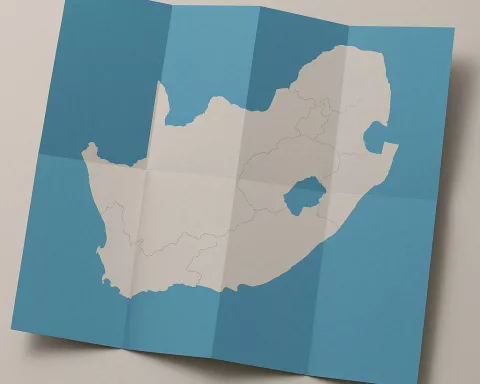
Tucked between rugged mountains and an active community, Hout Bay has always reflected the complexities of South Africa’s bond with nature. The waters around the bay support a fragile yet vibrant network of life, providing food, livelihoods, and recreation for residents and visitors. Conversations about pollution – especially sewage disposal – have divided the community for decades. Now, scientific evidence injects new urgency into these ongoing debates.
Dr. Ojemaye’s research team gathered mussels from different locations around the bay, including areas distant from direct pollution sources. As filter feeders, mussels offer a window into the health of the marine environment. Even as far back as Aristotle’s writings, people have recognized the resilience and importance of shellfish. Modern science now views these humble creatures as early warning systems – sentinels signaling environmental problems that remain invisible to the naked eye.
Invisible Pollutants with Lasting Impact
Finding PPCPs inside the tissues of local mussels tells a troubling story. Unlike familiar pollutants such as plastic litter or oil slicks, these chemicals stem from everyday routines: painkillers, antibiotics, anti-inflammatories, shampoos, and deodorants. They find their way to the sea through wastewater pipes, storm drains, and rivers. Sometimes, people dispose of these products incorrectly. More often, though, the compounds simply survive the wastewater treatment process and pass from human use into the ocean. The problem isn’t limited to their presence – it’s their persistence and ability to accumulate that causes the greatest concern. Ojemaye’s study confirms that these compounds do not simply dilute and disappear; instead, they linger and intensify within living organisms.
Historically, officials believed that Hout Bay’s strong Atlantic currents would swiftly dilute any pollutants, relying on the idea that the ocean’s vastness could absorb society’s waste. This attitude reflects a lingering confidence in technological solutions and the idea that nature has unlimited capacity to recover. Rapid urban growth and industrialization only reinforced these beliefs. However, Ojemaye’s findings reveal the shortcomings of such assumptions. The study demonstrates that the zone affected by marine outfall pollution extends far beyond the immediate discharge area. Instead of vanishing, PPCPs settle and accumulate in marine life, expanding the pollution footprint throughout the bay.
Municipal records make it clear that the decision to use a marine outfall – releasing untreated or partially treated sewage directly into the sea – has sparked conflict among residents, activists, and city officials for years. For communities like Imizamo Yethu, perched on the hills above Hout Bay, inadequate sanitation has persisted for decades. Professor Lesley Green, co-author and director of Environmental Humanities South at UCT, draws attention to the exceptionally high levels of fecal contamination in the Disa River, which flows straight into the bay. This situation reflects not only technical shortcomings but also a failure to meet the social and civic responsibilities that come with environmental stewardship.
A Delicate Balance Under Threat
The marine outfall currently serves nearly half of Hout Bay’s population, sending sewage into the ocean with minimal treatment. Meanwhile, the Disa River adds further contamination, introducing bacteria and chemicals into the bay’s ecosystem. Mussels and other sea creatures accumulate these pollutants, which then travel up the food chain. For people who gather or eat local shellfish, the danger may not always be immediate, but the potential long-term health risks remain unclear and concerning.
Hout Bay’s marine protected area, designed to safeguard biodiversity and underpin sustainable livelihoods, now faces challenges that are invisible to casual observers. The creation of such protected areas grew out of the optimism of the environmental movements of the late twentieth century, which believed that careful management could halt ecological decline. Yet PPCPs’ ability to persist and spread demands a reassessment of what conservation means in the modern world – one dominated by human influence from land to sea.
One particularly alarming aspect of the recent research involves antimicrobial resistance (AMR). Many PPCPs include antibiotics and similar medications that, when released into the environment, encourage the emergence of drug-resistant bacteria. Dr. Ojemaye warns that faecal coliforms found in Hout Bay may already carry genes for antimicrobial resistance – a scenario that threatens not only the local environment but also broader public health. Globally, AMR stands as one of the most pressing health threats of our era. In Hout Bay, the challenge takes on new urgency at the intersection of urban life and the natural world.
Recent global events have only complicated the situation. The COVID-19 pandemic triggered a surge in the use of pharmaceuticals and disinfectants, overwhelming already strained wastewater systems. Meanwhile, South Africa’s persistent energy crisis has undermined the effectiveness of treatment facilities, as frequent blackouts disrupt essential services. The result is a potent mix of chemicals and pathogens entering Hout Bay, highlighting how environmental, social, and infrastructural issues combine in today’s rapidly evolving world.
Toward a Healthier Bay: Solutions and Responsibilities
Cape Town’s windswept shores have long inspired painters and writers, symbolizing nature’s untamed beauty. Today, however, the signs of human impact grow ever more visible. The detection of PPCPs in mussels serves both as a scientific breakthrough and as a call to reflect on the legacies of modern living. Every convenience – from everyday medicine to personal hygiene products – leaves a mark on the natural systems that sustain us.
Researchers urge a comprehensive response that tackles the issue from multiple angles. First, they emphasize the need to upgrade wastewater treatment infrastructure. Land-based treatment plants are not only more effective at removing pollutants, but also offer the chance to recover valuable resources. Some modern systems capture methane from sewage to produce energy, while others extract nutrients for use as fertilizers. These innovative approaches fit the principles of sustainability: transforming waste into resource and blurring the boundaries between human society and the environment.
In addition, reducing the use of harmful chemicals stands as a critical step. Policymakers can strengthen regulations on pollutant discharge, while public awareness campaigns can encourage safer disposal practices at home. At the manufacturing level, incentives for developing environmentally friendly products will help reduce the chemical burden on local ecosystems. Combining technological innovation with cultural change, as researchers suggest, offers the most promising path forward – but the urgency of the situation means that action must come quickly.
Hout Bay’s story is far from isolated. Coastal cities worldwide struggle with the legacy of outdated infrastructure and unforeseen side effects of modern chemistry. Yet the stakes in Hout Bay feel immediate and tangible. As Professor Green notes, meeting this challenge will test the resolve of both the community and its leaders. There is real potential for innovative solutions, but the costs of inaction could prove devastating.
While scientists work to map contamination and assess the safety of local seafood, one fact remains clear: immediate action matters. The well-being of Hout Bay’s marine ecosystem, the safety of those who depend on its resources, and the integrity of its protected areas all hang in the balance. The choices made now – by residents, officials, and the broader public – will determine whether Hout Bay can remain a place of beauty and abundance, or whether it will become a cautionary tale of environmental neglect.
What is pharmaceutical pollution and how does it affect Hout Bay’s marine life?
Pharmaceutical pollution refers to chemicals from everyday medicines and personal care products entering aquatic environments. In Hout Bay, these substances – such as painkillers, antibiotics, shampoos, and deodorants – enter the ocean mainly through wastewater and storm drains. They accumulate in marine organisms like mussels, disrupting biodiversity, harming marine life, and potentially causing long-term health risks for humans who consume contaminated seafood or come into contact with the water.
How do pharmaceutical pollutants reach the ocean despite wastewater treatment?
Many pharmaceutical compounds and personal care product chemicals (PPCPs) are resistant to conventional wastewater treatment processes. In Hout Bay, treated or partially treated sewage is discharged directly into the ocean via a marine outfall system that serves nearly half the population. This system, combined with contamination from local rivers like the Disa River, allows PPCPs and bacteria – including drug-resistant ones – to enter and persist in the marine ecosystem.
Why are mussels important indicators of marine pollution in Hout Bay?
Mussels are filter feeders that accumulate pollutants present in the water, making them effective “sentinels” or early warning systems for environmental contamination. Dr. Cecilia Ojemaye’s research found PPCPs inside mussels collected from various locations around Hout Bay – even those distant from pollution sources – revealing that pharmaceutical pollutants are widespread, persistent, and bioaccumulative in the bay’s ecosystem.
What are the risks associated with antimicrobial resistance (AMR) in Hout Bay’s waters?
Antimicrobial resistance arises when bacteria evolve to survive exposure to antibiotics. The release of antibiotic residues and bacteria from sewage promotes the development of drug-resistant bacteria in Hout Bay. These resistant bacteria pose a serious threat to both marine organisms and human health by potentially spreading infections that are harder to treat, complicating public health efforts locally and beyond.
How have recent events like the COVID-19 pandemic and energy crises worsened pollution problems in Hout Bay?
The COVID-19 pandemic led to increased use of pharmaceuticals and disinfectants, overwhelming wastewater treatment systems already under strain. South Africa’s ongoing energy crisis causes frequent power outages, disrupting treatment plant operations. Together, these factors have increased the volume and persistence of pharmaceutical pollution and pathogens entering Hout Bay, making it even more challenging to maintain healthy marine ecosystems.
What solutions are proposed to protect Hout Bay’s marine environment from pharmaceutical pollution?
Experts recommend a multi-faceted approach including:
- Upgrading wastewater treatment facilities to more effectively remove PPCPs and recover resources like energy and nutrients.
- Strengthening regulations on pollutant discharge and promoting safer disposal practices at home.
- Encouraging the development and use of environmentally friendly products through incentives and public awareness.
- Engaging the community, policymakers, and industry to act swiftly and collaboratively to prevent further degradation.
Addressing pharmaceutical pollution is critical to preserving Hout Bay’s natural beauty, safeguarding marine biodiversity, and protecting human health.