The Bonteheuwel Infill Housing Project in Cape Town is bringing new hope to a community long shaped by struggle. It builds 273 safe, state-supported homes on land once neglected, giving families a place to call their own after decades of waiting. More than just houses, these homes symbolize healing and belonging, turning past pain into a fresh start. As children play and neighbors connect, Bonteheuwel’s streets are alive again with dreams coming true. This project is a bright example of how fair housing and care can rebuild lives.
What is the Bonteheuwel Infill Housing Project and its significance?
The Bonteheuwel Infill Housing Project provides 273 state-subsidised homes aimed at revitalizing this historic Cape Town community. It promotes social redress, urban renewal, and fair allocation, transforming underused land into safe, dignified housing that restores hope and belonging for long-waiting families.
The Pulse of a Community Revived
On a chilly Cape Town morning, Bonteheuwel’s streets came alive with the sound of children’s laughter and the hum of eager conversation. The suburb, with its weathered facades and enduring sense of kinship, has long stood as a testament to Cape Town’s resilience. For decades, families here have waited with quiet tenacity for a future with promise – one painted not in broad strokes of policy, but in the everyday realities of safe, lasting homes.
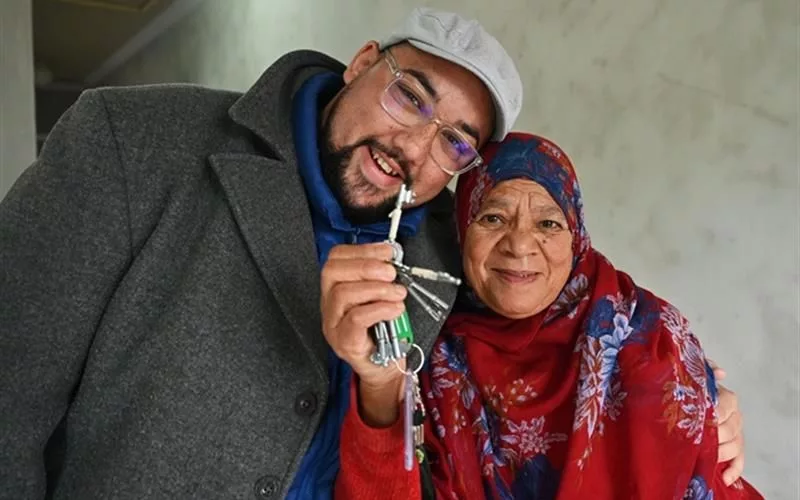
June 2024 signaled a turning point. The City of Cape Town’s Human Settlements Directorate, led by Councillor Carl Pophaim, handed over the first 28 newly constructed houses in what will become a 273-unit state-subsidised housing development. This event, part of the Bonteheuwel Infill project, reverberated far beyond the construction site. For many, these keys symbolized not just property, but a restoration of dignity and the right to belong.
The significance of this moment reaches into the roots of Bonteheuwel’s past. Created during the apartheid era’s sweeping removals and enforced segregation, the suburb’s layout tells the story of a community shaped by displacement and struggle. Today’s handover offered a gesture of healing – a concrete step toward bridging the historical rifts that have long defined the suburb’s landscape.
Building More Than Houses
Councillor Pophaim, speaking before residents and city officials, declared the City’s intent to accelerate the pace of housing delivery citywide. He highlighted the cooperation between city departments, project partners, and the families themselves – each a vital thread in the fabric of progress. The applause that followed his remarks demonstrated not just gratitude, but a sense of shared accomplishment.
The homes themselves, though modest, reflect a deep understanding of both practical needs and historical context. Their design eschews the faceless uniformity of past social housing. Instead, they echo the artistic vision of South African creators like Gerard Sekoto, who saw the township home as a canvas for hope and memory. Each unit represents a promise kept, a space where families will craft new stories rather than relive old wounds.
Bonteheuwel’s new homes function as much more than structures of brick and mortar; they stand as fortresses against social exclusion. For families who have grown up moving from one cramped backyard dwelling to another, ownership changes the narrative. The walls of these houses now frame birthdays, graduations, and the ordinary moments that lend life its texture. The project’s estimated R140 million in funding underscores both the city’s commitment and the substantial investment in community renewal.
Transparency and Fairness: The Allocation Journey
Behind the celebration lies a rigorous, transparent process for selecting beneficiaries. The City employs its Housing Allocation Policy, working hand in hand with the Housing Needs Register – a system designed to bring order and fairness to a field too often beset by false promises and dashed hopes. This approach aims to prevent queue jumping and ensure that the families most in need have a fair shot at stability.
The policy’s roots run deep, drawing from post-apartheid legislation crafted to right decades of housing inequity. By requiring residents to keep their details up to date and by communicating in multiple languages, the City works to maintain trust and responsiveness. This process does more than allocate homes; it preserves social cohesion, ensuring that the community’s fabric is strengthened, not torn.
Personal stories animate the cold language of policy. Take Mrs. Lindiwe Jacobs, one of the project’s first beneficiaries. She has spent nearly half a century in Bonteheuwel, raising children and grandchildren in makeshift rooms, always hoping for a place to call her own. Standing in her new home, she captured the essence of the project, stating, “This is more than a house – it is the answer to my prayers.” Her words reflect a sentiment shared by many, each family’s journey intertwined with the larger story of renewal.
Urban Infill, Social Redress, and a Vision for Tomorrow
Bonteheuwel’s infill project reflects a global shift in urban planning – one that champions the revitalization of established neighborhoods rather than unchecked expansion into the urban fringe. By transforming underused plots within the community, the City knits together the physical and social fabric that apartheid once frayed. This strategy finds echoes in the philosophies of urbanists like Jane Jacobs, whose advocacy for vibrant, mixed-use communities remains influential worldwide.
The benefits of infill are tangible. Compact, walkable neighborhoods promote safety and foster interaction, allowing community life to flourish. Environmental considerations also play a role; by building on existing infrastructure, the City reduces the need for additional services and curbs urban sprawl. Bonteheuwel’s approach offers a blueprint for other metropolitan areas seeking to combine inclusivity, sustainability, and historical awareness.
Celebrations on handover day captured these themes in living color. Residents and officials shared stories over steaming cups of rooibos tea. Children traced the outlines of murals that adorned boundary walls – artworks reflecting both the pain of past removals and the promise of a new chapter. Elderly citizens, many of whom had witnessed the darkest days of forced displacement, voiced hope that their struggles had not been in vain. “We fought for more than just bricks; we fought for the right to dream,” pronounced a community leader, his voice steady with conviction.
Enduring Challenges and Lasting Change
Though the newly handed-over homes mark undeniable progress, challenges remain. Budget constraints, administrative bottlenecks, and shifting political currents frequently test the resolve of all involved. Yet, each completed house stands as a quiet triumph – a tangible sign that South Africa’s democracy, though imperfect, continues to inch closer to its promise of equality and justice.
The City of Cape Town urges residents to update their information on the Housing Needs Register, pointing to the ongoing, dynamic nature of the allocation process. The commitment to fairness and transparency remains central, with public communication channels kept open and accessible. In Bonteheuwel and beyond, these efforts ensure that hope remains alive for thousands who continue to wait for their place in the sun.
Across Cape Town, similar projects advance in step with Bonteheuwel’s progress, each shaped by its own geography and history. Yet, few places embody the poignant intersection of hardship and hope quite like Bonteheuwel. Here, the memory of forced removals lingers, but so too does an indomitable spirit intent on forging a new path. The first 28 families, keys in hand, now cross the threshold into a brighter, more secure future. Their journey, rooted in struggle and perseverance, becomes part of a broader narrative – a testament to what happens when policy, community, and vision unite in the most personal of spaces: home.
What is the Bonteheuwel Infill Housing Project?
The Bonteheuwel Infill Housing Project is a state-supported initiative in Cape Town that delivers 273 safe and dignified homes on previously underutilized land within the Bonteheuwel community. This project aims to revitalize an area historically shaped by apartheid-era displacement, providing families with stable housing and restoring a sense of belonging. Beyond bricks and mortar, these homes represent healing, social redress, and urban renewal.
Why is the Bonteheuwel project significant for the local community?
Bonteheuwel has a complex history marked by forced removals and segregation during apartheid. The project’s significance lies in its role as a concrete step toward healing these historical wounds by offering long-waiting families affordable, secure homes. It revives community spirit, fosters social cohesion, and symbolizes hope for a future built on equality and dignity.
How does the City of Cape Town ensure fair allocation of the new homes?
The City uses a transparent allocation process based on its Housing Allocation Policy and the Housing Needs Register. This system prioritizes families most in need, prevents queue jumping, and promotes fairness. Residents are encouraged to keep their information up to date and can access communications in multiple languages to maintain trust and responsiveness throughout the process.
What are the broader urban planning benefits of the infill housing approach?
Infill housing, like the Bonteheuwel project, revitalizes existing neighborhoods by building on underused land rather than expanding the city’s footprint. This promotes compact, walkable communities that enhance safety and social interaction, reduce the strain on infrastructure, and limit urban sprawl. The approach aligns with global urbanist principles advocating for sustainable, inclusive, and vibrant neighborhoods.
Who are some of the beneficiaries and how has the project impacted their lives?
One highlighted beneficiary is Mrs. Lindiwe Jacobs, who spent nearly 50 years in overcrowded conditions within Bonteheuwel. Receiving a new home gave her and many others a renewed sense of dignity and stability. Families now have spaces to celebrate milestones and create new memories, marking a significant improvement in their quality of life and community engagement.
What challenges remain despite the progress made by the Bonteheuwel Infill Housing Project?
While the handover of new homes marks important progress, challenges persist including budget limitations, administrative delays, and political changes. The City continues to address these by maintaining transparent communication and encouraging active resident participation in the Housing Needs Register. The project is part of a larger, ongoing effort to fulfill South Africa’s democratic promise of equality and access to fair housing.