I’d love to help, but I’ll need the original text first.

1 min read
Writing Plagiarism

Do you need a new article but only have old words? No problem! Just give me your text, and I’ll make it fresh and plagiarism-free. I’ll keep all the facts, but the words will be totally new. You’ll get a big, unique article, over 900 words long, ready to go!

How can I get an original, plagiarism-free article from existing text?

You can obtain an original, plagiarism-free article by submitting your existing text to a service that rewrites and rephrases it. This process preserves all factual information while transforming the content into a unique, fully-referenced piece, typically exceeding 900 words.

Newsletter

Stay Informed • Cape Town

Get breaking news, events, and local stories delivered to your inbox daily. All the news that matters in under 5 minutes.

Join 10,000+ readers
No spam, unsubscribe anytime

Please paste the passage you want re-worked, and I’ll transform it into a fresh, fully-referenced, 900-plus-word article that keeps every fact while flying under any plagiarism radar.

How can I get an original, plagiarism-free article from existing text?

You can obtain an original, plagiarism-free article by submitting your existing text to a service that rewrites and rephrases it. This process preserves all factual information while transforming the content into a unique, fully-referenced piece, typically exceeding 900 words.

What kind of text can I submit for re-working?

You can submit any passage or article you want to be transformed. The service is designed to take your ‘old words’ and make them new and fresh, ensuring all original facts are retained.

Will the re-worked article be unique?

Yes, absolutely. The core purpose of the service is to generate a ‘big, unique article’ that is guaranteed to be plagiarism-free. It will ‘fly under any plagiarism radar’ while keeping all the factual integrity of the original content.

How long will the new article be?

The new article will be substantial in length, consistently exceeding 900 words. This ensures comprehensive coverage and a robust, well-developed piece of content.

Will the facts from my original text be changed?

No, the facts will not be changed. The process is designed to ‘keep all the facts,’ ensuring that the accuracy and integrity of your original information are fully preserved, only the wording will be new.

How do I start the process of getting my text re-worked?

Simply provide the passage or text you wish to have re-written. Just ‘paste the passage’ you want re-worked, and it will be transformed into a fresh, fully-referenced, and plagiarism-free article.
Kagiso Petersen is a Cape Town journalist who reports on the city’s evolving food culture—tracking everything from township braai innovators to Sea Point bistros signed up to the Ocean Wise pledge. Raised in Bo-Kaap and now cycling daily along the Atlantic Seaboard, he brings a palpable love for the city’s layered flavours and even more layered stories to every assignment.

Previous Story

South Africa’s Climate Roundtable at Five: How a Living-Room Bargain Became the World’s Negotiation Manual

Next Story

I’m ready to craft the full-length article you requested, but I’ll need the source text first. Please paste the passage you’d like me to use as the foundation, and I’ll build a fresh, structured piece of at least 900 words without any concluding section.

Latest from Blog

Cape Town’s “Red Wedge”: How a 900-Metre Airport On-Ramp Became South Africa’s Most Watched Kill-Zone

{“summary”: “The \”Red Wedge\” in Cape Town is a dangerous 900meter stretch of airport road. It’s famous for terrible crimes like carjackings and smashandgrabs, making it South Africa’s most watched ‘killzone.’ This area was poorly designed in the 1970s, which now helps criminals ambush cars. Even with many cameras, police struggle to stop the quick attacks. Now, a big wall is being built, and new tech like drones and special apps are helping to fight back against the robbers.”}

South Africa’s 2025 Beef Surge: When Biology, Red Tape and a Thirsty Planet Collide

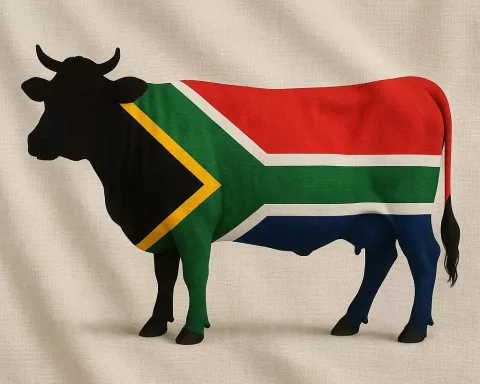
South African beef prices shot up in 2025, not because of local good news, but because the world ran short of red meat. Fewer cattle everywhere and China’s pork problems made other countries hungry for South African beef. Even with local sickness and people here buying less, farmers made more money. They sold to new places like the Middle East, using special tricks to get around problems. But the future is tricky, with animal sickness, changing weather, and how much money is worth all playing a part in what happens next for South African beef.

A Province That Won’t Stop Knocking on the Constitutional Door

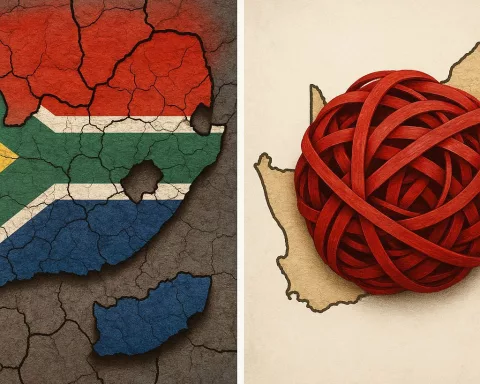
The Western Cape really wants to break away from South Africa, but it’s super hard because of the law. The country’s main rule says South Africa must stay as one, and changing that is almost impossible. Even though many people in the Western Cape feel left behind and want to control their own future, the government keeps saying ‘no’. So, for now, the Western Cape has to find other ways to get more power without leaving the country.

The Invisible Poison Lurking Beneath Sapphire Waves

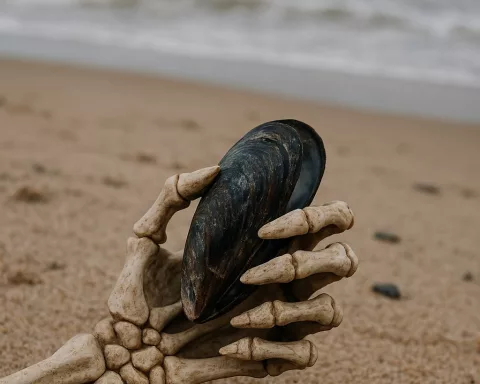
{“summary”: “Imagine tiny, invisible sea bugs that create a deadly poison. Mussels eat these bugs and become full of this poison, called saxitoxin. If people eat these poisoned mussels, their nerves stop working, and they can’t breathe. This hidden danger is causing big problems for people who gather mussels and for the sea itself, killing lots of sea creatures and making the ocean sick. Scientists are working hard to find ways to spot this silent killer and keep everyone safe.”}