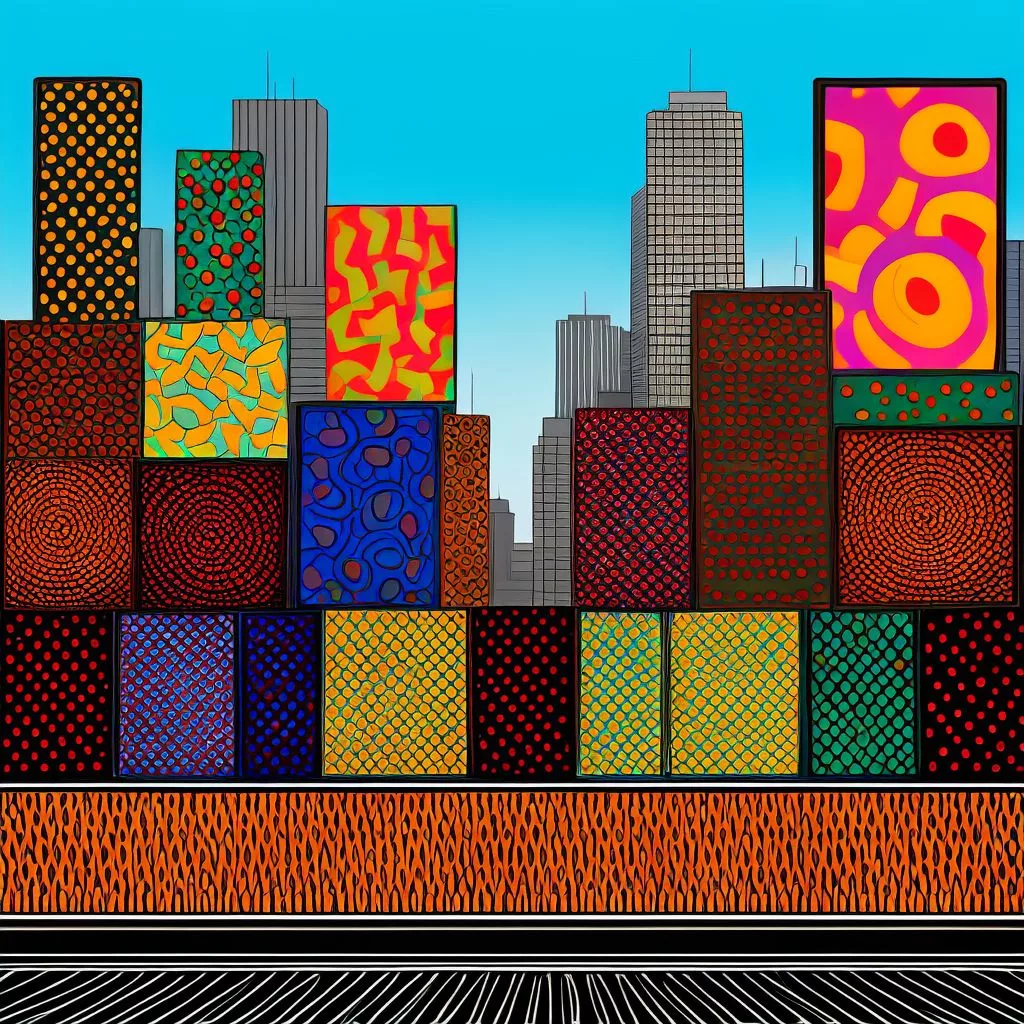
South Africa’s Out-of-Home (OoH) media sector is at an exciting turning point, aiming to grow while including more voices from all backgrounds. Public spaces filled with colorful billboards and murals tell stories of hope and change, connecting communities across the country. Despite challenges like inequality and tough regulations, the sector is pushing for new digital ideas and fair chances for small, black-owned businesses. The future calls for teamwork, innovation, and fairness so that every voice shines in South Africa’s vibrant public spaces.
What is the future outlook for South Africa’s Out-of-Home (OoH) media sector?
South Africa’s OoH media sector aims to balance innovation with inclusion by diversifying ownership, empowering marginalized groups, and overcoming regulatory challenges. Key goals include job creation, digital adaptation, and fostering collaboration to make public advertising a platform for economic growth and social transformation.
Out-of-Home Media: The Voice of a Transforming Nation
On a crisp morning at the Bryanston Country Club, leaders from every corner of South Africa’s Out-of-Home (OoH) media industry gathered. The air buzzed with anticipation as Deputy Minister Kenny Morolong greeted participants, who represented a cross-section of the country’s diverse creative ecosystem. The venue, a symbol of heritage and aspiration, set the stage for a pivotal discussion on how OoH media could further shape the nation’s future.
Public spaces, adorned with billboards, murals, and installations, vividly express the nation’s collective journey. These visual messages do more than advertise products – they chronicle the hopes, challenges, and evolving identity of a nation in flux. In his address, the Deputy Minister highlighted the central role of the Media, Advertising, and Communication (MAC) sector in forging unity and stimulating public discourse. He drew a direct line between the creativity found on city streets and the work of historical movements that used art as a tool for social change. From the vibrant murals of township taxi ranks to cutting-edge digital displays, OoH media embodies the spirit of a country moving beyond its apartheid past.
The MAC sector doesn’t merely reflect society – it actively shapes it. Creative work in public space fosters a shared sense of belonging, turning everyday commutes into moments of connection. As South Africa continues to redefine itself, OoH media stands as both a mirror and a megaphone for new narratives, ensuring that diverse voices remain visible in the public sphere.
The Economic Engine and Its Limitations
While the creative potential of the OoH sector is undeniable, the industry operates within the broader context of South Africa’s enduring socioeconomic challenges. High unemployment, stubborn inequality, and persistent poverty cast long shadows over progress. The government’s Vision 2030 and the National Development Plan (NDP) recognize the creative industries as critical to job creation and inclusive economic growth, especially for youth and marginalized communities.
The opportunity is immense. Each billboard, bus shelter, or mural supports a chain of workers: artists, designers, technicians, and entrepreneurs. Jobs in this sector can offer a lifeline to those living in under-resourced communities, where transport costs and distance from economic hubs often make formal employment unattainable. As Deputy Minister Morolong pointed out, “The unemployed section of our population… often lives far from jobs, in rural areas, making transport costs unaffordable.” This reality calls for interventions that bridge the gap between urban centers and rural communities, making the sector’s benefits accessible to all.
Nevertheless, many industry gains bypass those who need them most. While advertising budgets drive impressive installations in affluent neighborhoods, smaller towns and rural areas often lack even basic infrastructure. The sector’s growth must therefore be measured not only in revenue, but in the extent to which it uplifts and includes those on society’s margins. To truly serve as an economic engine, OoH media must address both the visible and invisible barriers that limit participation.
Transformation: Aspirations and Obstacles
Transformation remains a guiding principle for post-apartheid South Africa, yet the OoH sector’s progress has been uneven. Ownership and control of media assets remain concentrated, with black-owned small and medium enterprises (SMMEs) often relegated to the periphery. Many entrepreneurs secure leases for billboard sites only to find that lucrative contracts for design, printing, and installation are out of reach. Bureaucratic delays, high fees, and corrupt practices by some municipal officials further compound these challenges, hindering fair access and stifling innovation.
The struggle to democratize the sector mirrors the broader goals of Black Economic Empowerment (BEE) and its successor, Broad-Based Black Economic Empowerment (B-BBEE). These frameworks aim to distribute economic benefit more equitably through seven key pillars: ownership, management control, employment equity, skills development, preferential procurement, enterprise development, and socio-economic development. However, annual reviews consistently show that progress has fallen short, particularly in areas like employment equity and enterprise development. Black women, especially, remain underrepresented in leadership and ownership roles, often confined to entry-level positions with limited upward mobility.
The South African Human Rights Commission has recently brought attention to persistent racial and gender disparities in the industry. While black African workers are earning higher wages, they still face significant barriers to advancement. The sector’s ongoing struggle with inclusivity serves as a reminder that legislation alone cannot erase the legacy of exclusion. True transformation requires a cultural shift – one that values diversity, transparency, and active mentorship of historically disadvantaged groups.
Navigating Challenges: Innovation, Regulation, and Global Realities
The OoH sector’s vitality depends on its ability to adapt to a rapidly changing global environment. The rise of digital platforms has upended traditional business models, with international tech giants such as Facebook, Google, and Netflix capturing a significant share of advertising revenue. Local media owners now face the dual challenge of innovating in a digital age while contending with unfair competition and opaque pricing structures.
Regulatory hurdles also remain a significant obstacle. Entrepreneurs regularly encounter long approval processes, expensive permits, and inconsistent enforcement of by-laws that govern site allocation and advertising content. In extreme cases, corruption and rent-seeking behavior from municipal officials create additional barriers, pushing some operators toward informal or illegal practices just to survive. The lack of clear, affordable pathways for legal site acquisition undermines both the industry’s integrity and its potential for inclusive growth.
The COVID-19 pandemic further complicated these dynamics, causing a sharp decline in urban foot traffic and tightening advertising budgets. Yet, the crisis also sparked new ideas. Some businesses pivoted to digital billboards and interactive installations, while others engaged communities through art projects that reinforced resilience and solidarity. These innovations highlight the sector’s adaptability, but they also underscore the need for ongoing investment in technology and skills development.
South Africa’s OoH industry must also navigate tensions between established firms and emerging players. Rather than see this as a zero-sum game, there is growing recognition of the value in partnership and coexistence. By fostering an ecosystem where established companies mentor new entrants and share opportunities across the value chain, the sector can harness the full spectrum of creative talent.
The Path Forward: Toward an Inclusive and Dynamic Future
Looking ahead, the future of South Africa’s OoH media sector rests on its ability to balance tradition with innovation, growth with inclusion, and competition with collaboration. Government agencies such as Brand South Africa, the Media Development and Diversity Agency, and the MAC Sector Charter Council have committed to setting measurable transformation targets and supporting industry-wide efforts to diversify ownership, content, and language.
The sector’s story is still being written. Each new mural, billboard, or digital installation offers a chance to amplify underrepresented voices and build bridges between communities. By embracing transparency, empowering women and youth, and breaking down anti-competitive barriers, the OoH sector can fulfill its role as both economic driver and cultural storyteller.
For the industry’s leaders and the millions they reach each day, the challenge is clear: to use public space not only to sell products, but to shape a more just, vibrant, and inclusive South Africa. The crossroads at Bryanston Country Club was not just an event – it was a call to action. The decisions made in its aftermath will determine whether the nation’s public spaces truly reflect the dreams and diversity of all its people.
FAQ: Illuminating South Africa’s Out-of-Home (OoH) Media Sector
1. What is the current state and future outlook of South Africa’s OoH media sector?
South Africa’s Out-of-Home (OoH) media sector is at a pivotal moment, striving to grow through innovation while becoming more inclusive. The sector emphasizes diversifying ownership, especially empowering marginalized and black-owned businesses, adapting to digital technologies, and fostering collaboration. Future growth aims to create jobs, support economic development, and use public spaces as platforms for social transformation and storytelling that reflect South Africa’s diverse communities.
2. How does OoH media contribute to South Africa’s social and economic landscape?
OoH media does more than advertise products; it acts as a cultural and social voice, showcasing public narratives through billboards, murals, and digital displays. Economically, the sector supports a wide range of jobs – from artists and designers to technicians and entrepreneurs – offering opportunities especially in under-resourced communities. It plays a role in job creation, economic inclusion, and community connection, although inequalities and infrastructure gaps remain challenges.
3. What are the main challenges facing transformation within the OoH media industry?
Despite efforts, transformation in the OoH sector remains uneven. Ownership and control tend to be concentrated, with many black-owned small and medium enterprises (SMMEs) struggling to access lucrative contracts and sites. Challenges include bureaucratic delays, high fees, corruption, and limited representation of black women in leadership roles. Although policies like Broad-Based Black Economic Empowerment (B-BBEE) provide frameworks, systemic barriers require cultural change, mentorship, and transparent practices to achieve true inclusivity.
4. How is digital innovation impacting the OoH media sector in South Africa?
Digital technology is reshaping OoH media by introducing digital billboards, interactive installations, and data-driven advertising. This shift offers creative new ways to engage audiences and adapt to changing consumer habits. However, the sector faces stiff competition from global digital platforms like Google and Facebook, which capture large ad budgets. Continuous investment in technology and skills development is necessary for local businesses to stay competitive and innovative.
5. What regulatory and operational challenges does the OoH media industry face?
Entrepreneurs encounter complex regulations, including long approval processes, costly permits, inconsistent by-law enforcement, and occasional corruption at the municipal level. These factors create barriers to legal participation, pushing some players toward informal or illicit operations. Regulatory reform and transparent, affordable processes are essential for fostering a healthy, inclusive, and competitive environment within the sector.
6. What steps are being taken to ensure the OoH media sector is inclusive and sustainable?
Government agencies such as Brand South Africa, the Media Development and Diversity Agency, and the MAC Sector Charter Council are actively supporting transformation through measurable targets aimed at diversifying ownership, content, and language representation. The sector is encouraged to embrace transparency, empower women and youth, and foster partnerships between established firms and emerging players. These efforts aim to make public advertising a tool for economic empowerment and cultural storytelling that reflects South Africa’s rich diversity.