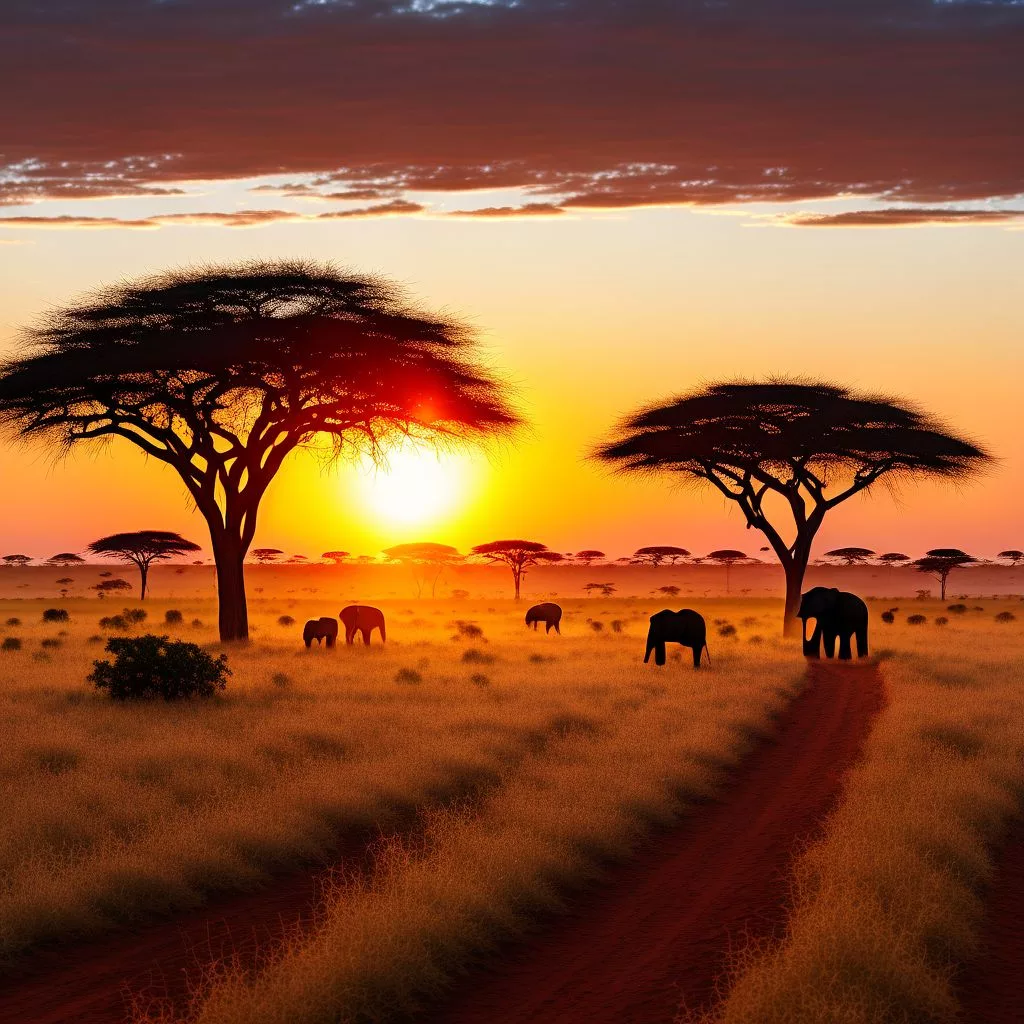
The 4th G20 Development Working Group meeting took place in the stunning Kruger National Park, where leaders gathered to focus on helping people through social protection, fair financing, and working together globally. Minister Maropene Ramakgopa stressed that real development means supporting everyday lives, especially for those most vulnerable. The group talked about fighting tax evasion and using innovation to reach the 2030 Sustainable Development Goals despite many challenges. Surrounded by nature’s resilience, the delegates were inspired to push for fairness, solidarity, and hope for a better future for all.
What was the focus of the 4th G20 Development Working Group meeting in Kruger?
The 4th G20 DWG meeting in Kruger centered on advancing global development through social protection, sustainable financing, and international solidarity. Key topics included strengthening social safety nets, combating tax evasion, and fostering innovation to achieve the 2030 Sustainable Development Goals amid global challenges.
Welcoming the World to Kruger: More Than a Meeting
As the sun rises over Kruger National Park, its golden light reveals not only the beauty of the landscape, but also the significance of the gathering taking place within it. Delegates from across continents arrive, surrounded by the park’s ancient trees and wildlife, to take part in the 4th G20 Development Working Group (DWG) meeting. The setting is steeped in history: Kruger’s soil has witnessed the earliest footsteps of humankind, and its savannah stretches serve as a living reminder of how interconnected all life truly is.
Minister Maropene Ramakgopa welcomes the attendees with a sense of urgency and hope. She emphasizes that their meeting in this special place is a conscious choice, meant to ground policy discussions in the realities of nature, heritage, and shared human origins. Kruger becomes more than just a backdrop; it is a symbol of resilience, diversity, and the enduring potential for growth when communities and ecosystems thrive together.
The task before the DWG is immense. The group stands at a pivotal crossroads on the journey toward the 2030 Agenda for Sustainable Development—a global pledge born almost a decade ago. While hope and ambition ran high when leaders first adopted this blueprint, new and formidable challenges have since emerged. Economic instability, climate emergencies, and deep-rooted inequalities now threaten to derail progress. Minister Ramakgopa reminds the assembly that the G20, as a collective of the world’s leading economies, has both the responsibility and the resources to guide the world through these turbulent times.
People at the Heart: Social Protection as a Foundation
Minister Ramakgopa insists that development must serve people first. The DWG’s vision centers on crafting policies that resonate with the everyday experiences of individuals, especially those in vulnerable communities. Their model rejects development as an abstract notion measured solely by data. Instead, it calls for justice, sustainability, and resilience rooted in lived realities.
Personal stories add depth to these goals. Delegates often share memories from their own lives that highlight what is truly at stake. One official recalls the difference made by a modest grant that allowed her to purchase school supplies, while another speaks of a community clinic that saved lives in remote villages. These accounts underscore the necessity of establishing enduring, inclusive safety nets—systems that adapt to the shifting needs of society and leave no one behind.
Ramakgopa is particularly vocal about the importance of social protection. She argues that social safety nets do more than alleviate hardship; they lay the groundwork for economic stability, social harmony, and broader gender equality. The data paints a stark picture: women face persistent wage gaps, legal impediments to employment, and make up a large share of the informal workforce—often without any safety net at all. These realities call for decisive action. Universal access to social protection is not a luxury; it is a vital component of any society that values fairness and opportunity.
Financing Progress: Strengthening Systems and Combating Inequality
Building robust social protection systems demands more than goodwill—it requires sustained investment and structural reform. Minister Ramakgopa urges countries to focus on strengthening their public finances. She highlights the significance of effective tax systems that are both fair and transparent. Solid tax systems empower governments to fund education, healthcare, and social programs that directly benefit their citizens.
However, the fight for resources encounters formidable obstacles. Illicit financial flows and tax evasion drain funds that should be directed toward development. Ramakgopa calls on the international community to counter these threats with practical measures: automatic exchange of financial information between countries, comprehensive registries of beneficial ownership, and the use of digital identity systems to strengthen oversight. Building the capacity of regulators plays a pivotal role in this struggle.
For Ramakgopa, the drive for financial transparency is not merely a technical issue—it is a matter of social justice. When public finances operate with integrity, citizens regain trust in their institutions. Transparent management ensures that the dividends of growth reach everyone, not just a privileged few. The Minister links these efforts to a broader legacy of reform, likening today’s work to historic movements for ethical governance and economic inclusion.
Facing Global Realities: Innovation, Solidarity, and the Road Ahead
Despite pockets of progress, the world stands at a critical juncture. A recent United Nations review of the Sustainable Development Goals (SDGs) reveals that just a small fraction of targets are on track for achievement by 2030. Development gaps have widened, and multiple crises—environmental, economic, and social—have compounded the challenge. The urgency in the conference room is unmistakable.
Yet, hope endures. The DWG recognizes that today’s challenges transcend borders and demand collective solutions. Ramakgopa champions the value of global public goods—resources such as clean air, health infrastructure, and digital access that benefit all societies. She advocates for transparent governance, differentiated but shared responsibilities, and the strategic use of innovation and emerging technologies.
Discussions often return to the lessons of history. Past moments of global cooperation, like the creation of the Bretton Woods institutions or the signing of environmental accords, remind the group that international solidarity drives progress. However, Ramakgopa stresses that today’s problems call for unprecedented inclusion. In an era of interconnected risks, no nation can meet the challenges of poverty, disease, or climate change in isolation.
Throughout the sessions, the unique environment of Kruger National Park reinforces these principles. Delegates observe herds of antelope and listen to guides recount tales of ancient migrations, drawing parallels between the adaptive strategies of wildlife and those required to build resilient societies. These moments of reflection inspire the group to see their work as part of a larger story—one in which survival and progress depend on cooperation and mutual support.
As the meeting concludes, Minister Ramakgopa revisits the core values that have animated every debate: solidarity, equality, and sustainability. She urges her colleagues to carry these ideals forward, reminding them that the work begun under the wide African sky is not just about policy, but about the future we choose to build together. The G20 DWG’s efforts remain unfinished, but their commitment stands as a beacon for those who believe in the possibility of a just and sustainable world.
What was the main focus of the 4th G20 Development Working Group meeting held in Kruger National Park?
The 4th G20 Development Working Group (DWG) meeting focused on advancing global development through social protection, fair and sustainable financing, and international cooperation. Key discussions included strengthening social safety nets for vulnerable populations, combating tax evasion and illicit financial flows, and leveraging innovation to achieve the 2030 Sustainable Development Goals despite ongoing global challenges such as economic instability and climate emergencies.
Why was Kruger National Park chosen as the venue for this important G20 meeting?
Kruger National Park was selected not only for its natural beauty but also for its symbolic significance. The park’s rich history as one of humanity’s earliest habitats and its thriving ecosystems serve as a powerful reminder of resilience, interconnectedness, and the need for sustainable growth. Hosting the meeting in Kruger grounded policy discussions in the realities of nature, heritage, and shared human origins, inspiring delegates to prioritize solidarity, fairness, and hope in their development strategies.
How does social protection play a role in global development according to Minister Maropene Ramakgopa?
Minister Ramakgopa emphasized that real development puts people first, especially those most vulnerable. Social protection systems are foundational as they provide economic stability, promote social harmony, and advance gender equality. These safety nets are essential for addressing persistent inequalities, such as wage gaps and informal employment, particularly affecting women. Universal access to social protection is seen not as a luxury but a necessity for any society aiming for justice, opportunity, and sustainable growth.
What challenges were identified in financing global development, and how can they be addressed?
One of the biggest obstacles is the loss of resources through tax evasion and illicit financial flows, which undermine governments’ ability to fund social programs. Minister Ramakgopa highlighted the need to strengthen public finance systems through fair and transparent tax policies. She advocated for international cooperation measures such as automatic exchange of financial information, beneficial ownership registries, and the use of digital identity systems to improve oversight and regulatory capacity. Transparent and ethical management of public funds is crucial to restoring trust and ensuring equitable distribution of development benefits.
How does the G20 DWG view innovation and international cooperation in achieving the 2030 Sustainable Development Goals?
The group acknowledges that achieving the SDGs requires unprecedented global solidarity and the strategic use of innovation and emerging technologies. Challenges like poverty, disease, climate change, and widening development gaps transcend borders, making collective action essential. The DWG champions global public goods—such as health infrastructure and digital access—and emphasizes transparent governance and shared, but differentiated, responsibilities among nations to overcome these interconnected challenges.
What lasting message did Minister Ramakgopa leave for the G20 Development Working Group delegates?
Minister Ramakgopa urged delegates to uphold the values of solidarity, equality, and sustainability beyond the meeting. She reminded them that their work is not just about policies but about shaping the future of the world together. The commitment shown at Kruger National Park serves as a beacon of hope and determination for building a just and sustainable global society in the face of adversity. The journey toward the 2030 Agenda continues, requiring collective resilience and cooperation inspired by both human and natural lessons.