Insect-Based Pet Food: A Sustainable and Nutritious Alternative for Your Furry Friend

1 min read
insect-based pet food sustainable pet food

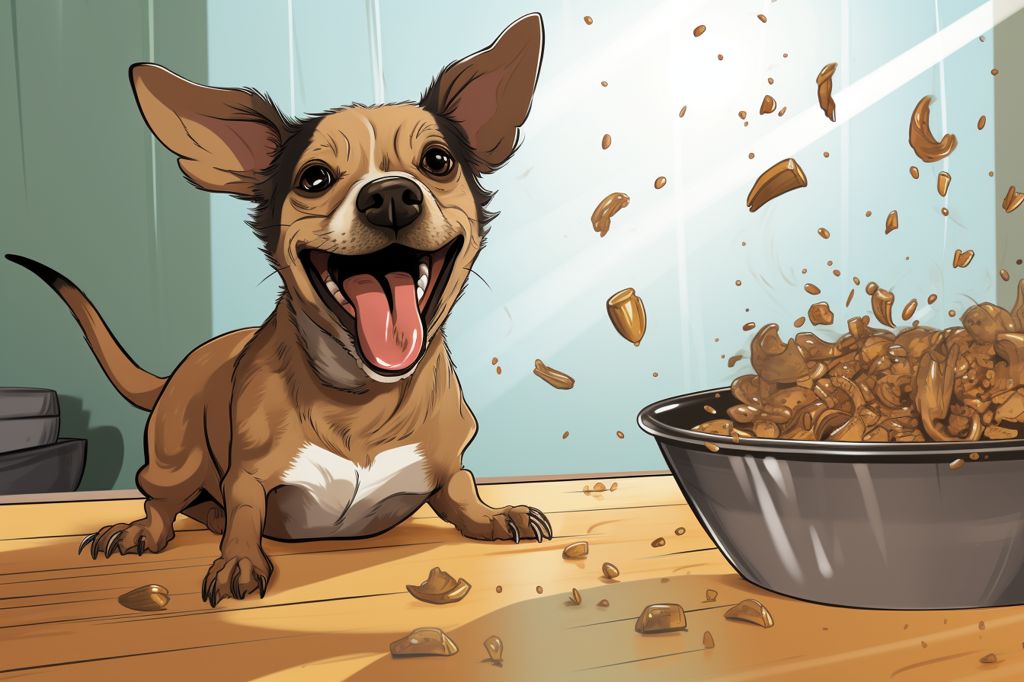
As society becomes more environmentally conscious, people are turning towards sustainable and eco-friendly alternatives. Insect-based pet food has gained popularity as a viable option for our canine companions. This article explores the world of insect-based dog food, looking at the benefits, the drawbacks, and the potential risks.

Insect-Based Dog Food: A Nutritious and Sustainable Option

For pet owners, the primary concern with insect-based food is whether it provides the necessary nutrition for their dogs. The good news is that insects, such as crickets and grubs, are considered to be nutrient-dense, providing high-quality protein essential for maintaining a dog’s health. Thus, from a nutritional standpoint, insect-based dog food is a safe and beneficial option to consider.

Newsletter

Stay Informed • Cape Town

Get breaking news, events, and local stories delivered to your inbox daily. All the news that matters in under 5 minutes.

Join 10,000+ readers
No spam, unsubscribe anytime

Insect-based pet food addresses ethical and environmental concerns as well. Traditional beef and poultry farming practices have raised various issues, including animal welfare and environmental degradation. Insect farming offers a more sustainable alternative that requires fewer resources like farmland and water. As a result, environmentally-conscious pet owners are increasingly turning to insect-based dog food.

Moreover, for dogs with food sensitivities or allergies to common protein sources such as chicken or beef, insect-based pet food can be a welcome alternative. Like other novel protein sources, such as bison, venison, and lamb, insect protein may be more tolerable for pets with specific food sensitivities.

Potential Drawbacks

Despite the benefits, there are potential downsides to consider when opting for insect-based dog food. Firstly, taste preferences may vary among dogs, and your furry friend might not find insect-based food palatable. Consequently, switching to this alternative may require a period of adjustment and experimentation.

Additionally, it is essential to consider any potential allergies your dog may have. Pets with shellfish allergies, for example, might also be allergic to insect protein. Therefore, it is crucial to monitor your dog’s reaction when introducing insect-based food to their diet.

Lastly, it is important to note that scientific research on insect-based diets for pets and humans is still limited. The long-term suitability and potential risks, such as bacterial contamination and antibiotic resistance, have yet to be fully assessed. Further research is needed to provide a more comprehensive understanding of the implications of insect-based pet food.

The Future of Insect-Based Dog Food

As we continue to explore sustainable and nutritious alternatives for our pets, insect-based dog food holds promise as a viable option. Its potential benefits, including environmental sustainability and catering to pets with specific dietary needs, are worth considering. However, pet owners should also be aware of the potential drawbacks and keep an eye on ongoing research to make informed decisions regarding their dog’s diet. Insect-based pet food may not be a perfect solution, but it undoubtedly represents an innovative and eco-friendly approach to feeding our furry friends.


Aiden Abrahams is a Cape Town-based journalist who chronicles the city’s shifting political landscape for the Weekend Argus and Daily Maverick. Whether tracking parliamentary debates or tracing the legacy of District Six through his family’s own displacement, he roots every story in the voices that braid the Peninsula’s many cultures. Off deadline you’ll find him pacing the Sea Point promenade, debating Kaapse klopse rhythms with anyone who’ll listen.

Leave a Reply

Your email address will not be published.

Previous Story

Eben Etzebeth to Lead Springboks Against the All Blacks Amidst Personal Tragedy

Next Story

Anita Lloyd Apologizes for Her Controversial Mammon Comments on Real Housewives van die Wynlande

Latest from Blog

Forty Metres of Air: The Morning Kiteboarding Rewrote Physics

Hugo Wigglesworth, a young kiteboarder, defied gravity and rewrote the record books by soaring an incredible 40 meters into the air. He used powerful winds, a perfectly timed jump off a wave, and special gear to achieve this amazing feat. His careful planning and hundreds of practice runs made him fly higher than anyone before, showing the world what’s possible in kiteboarding.

Airbnb Under Fire: How Cape Town’s Housing Crunch Became a Tourism Blame-Game

Cape Town’s housing woes are NOT really Airbnb’s fault, even though a viral photo tried to blame them! The real problem is that not enough homes are being built, and lots of new people are moving to the city. Getting building permits takes forever, making homes expensive. Airbnb brings in lots of money and jobs, and even if all Airbnbs disappeared, it wouldn’t fix the big housing shortage. The city needs to build more homes and make it easier to do so, not just point fingers at tourists.

Cape Town’s Hottest Tables: Where Summer Tastes Like Salt, Smoke and Midnight Vinyl

Cape Town’s new restaurants are super exciting, offering amazing tastes from the ocean, farms, and even old recipes. Places like Amura serve unique sea dishes, while Tannin has a huge wine list and tiny plates. Café Sofi bakes heavenly pastries, Beach Buns makes awesome burgers, and Le Bistrot de JAN mixes French and South African flavors. These spots let you taste the city’s lively food scene, from fancy dinners to casual beach eats, making every meal an adventure.

Between Concrete and Current – Four Inland Hearts Meet the Indian Ocean

This article tells a beautiful story of four South Africans from inland places who see the Indian Ocean for the very first time. For many, the sea is just a picture, far away and hard to reach. But when these brave people finally touch the salty water, it changes them deeply. They feel the ocean’s power, taste its salt, and understand that this huge, blue world is now a part of their own story, breaking down old ideas about who can connect with the sea.