This article explores international perspectives on load shedding, from Cyprus’ shift towards renewable energy to the European Union’s interconnectivity initiatives. South Africa’s struggles with load shedding are also discussed, highlighting the need for strategies to address energy crises. Ultimately, international collaboration and sustainable solutions are crucial for a resilient energy future amidst geopolitical complexities.
As load shedding continues to plague Cape Town and other South African cities, it’s important to look beyond our borders and examine how other regions are addressing electricity supply and management challenges.
Cyprus: A Renewable Energy Leader
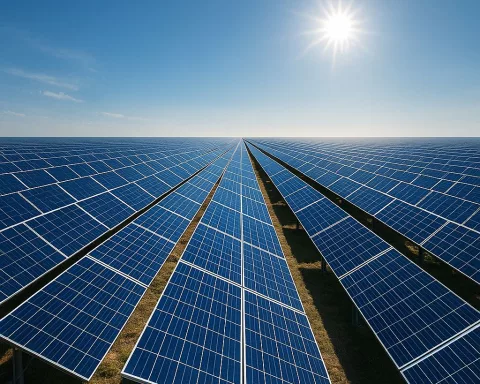
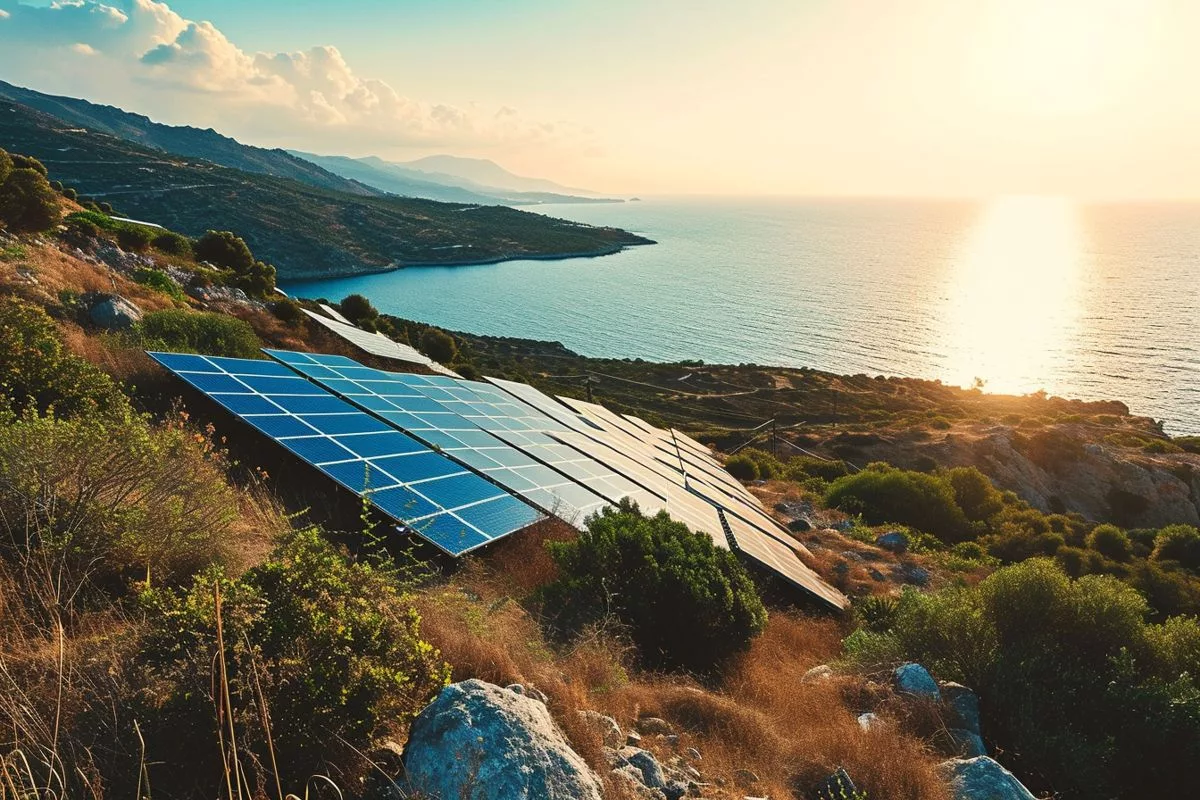
The island nation of Cyprus is shifting away from oil and towards renewable energy sources, particularly solar power. By leveraging its abundant solar assets, Cyprus is setting an example for other countries pursuing energy autonomy.
The European Union’s Push for Renewable Energy
The European Union has set ambitious objectives for renewable energy. One initiative, the EuroAsia Interconnector, aims to link power lines across Israel, Cyprus, and Greece, mitigating electricity deficits and improving energy security.
Interconnectivity and Collaboration in the EU
The development of an Energy Union within the European Union seeks to improve collaboration among member nations and enhance energy security. By enabling energy surges to flow across borders, Europe challenges the very concept of load shedding.
South Africa’s Struggle with Load Shedding
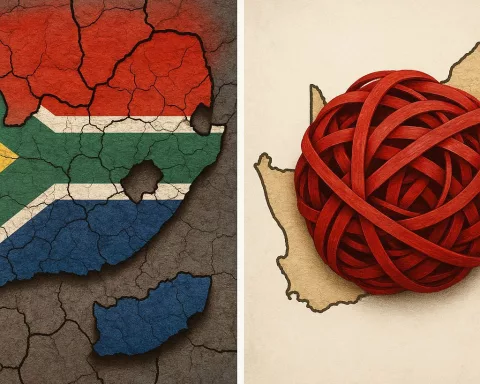
South Africa’s Kusile Power Station was meant to prevent load shedding, but has fallen short of expectations, leading to public discontent. As a contrast to the EU’s stringent energy guidelines, South Africa could benefit from establishing strategies for energy crises and creating a safety net for potential energy deficiencies.
International Collaboration for a Resilient Energy Future
Geopolitical strife in areas like the Red Sea adds complexity to the global energy security landscape. However, by adopting a philosophy of sustainability, security, and integration, we can pave the way to a more resilient energy future. As we navigate these challenges, it’s crucial to look to international collaborations and progressive policies for enduring solutions.
1. What is Cyprus doing to shift towards renewable energy?
Cyprus is leveraging its abundant solar assets to shift away from oil and towards renewable energy sources, particularly solar power.
2. What is the EuroAsia Interconnector?
The EuroAsia Interconnector is an initiative by the European Union to link power lines across Israel, Cyprus, and Greece, mitigating electricity deficits and improving energy security.
3. What is the Energy Union within the European Union?
The Energy Union is a development within the European Union that seeks to improve collaboration among member nations and enhance energy security by enabling energy surges to flow across borders.
4. What has been South Africa’s experience with load shedding?
South Africa has struggled with load shedding, including the Kusile Power Station falling short of expectations and leading to public discontent.
5. How can international collaboration help address energy challenges?
By adopting a philosophy of sustainability, security, and integration, international collaboration can pave the way to a more resilient energy future amidst geopolitical complexities.