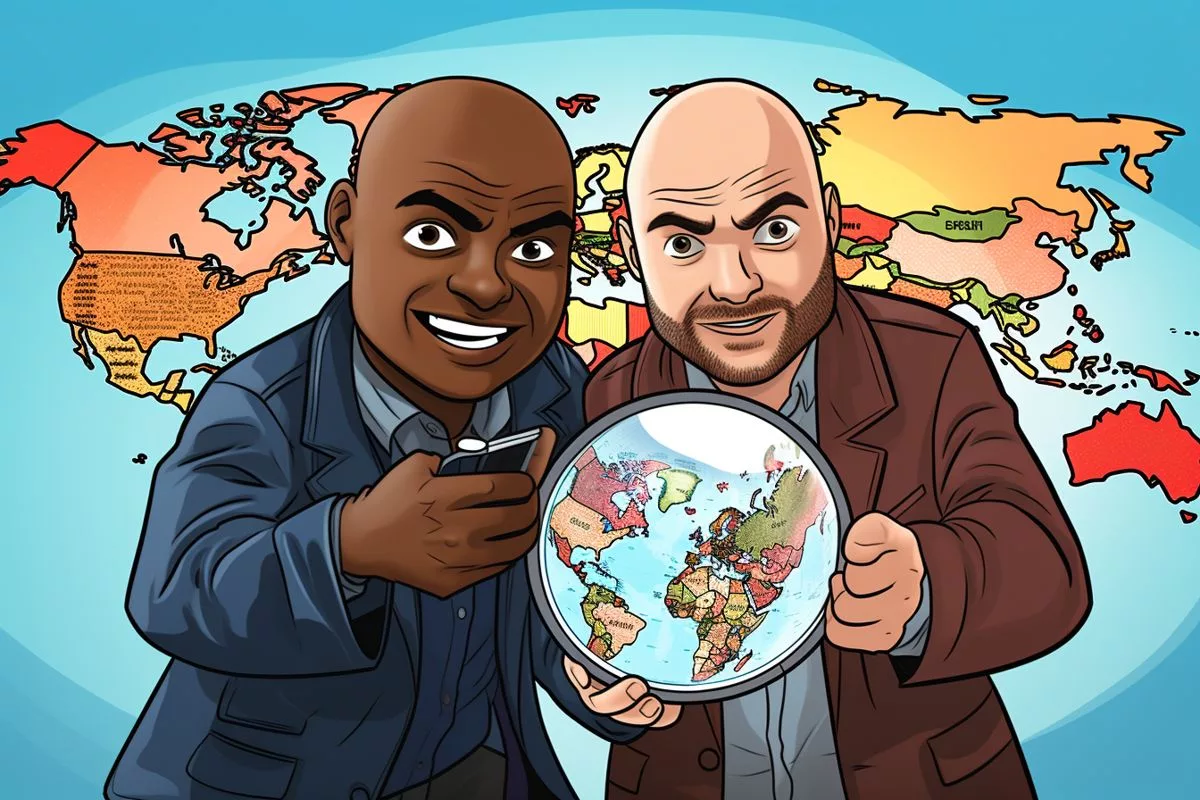
The History Channel’s new show, “Why Does Everyone Hate the British Empire?” uses comedy to explore Britain’s controversial past with famous British comedian Al Murray and comedians from colonized countries like South Africa’s Loyiso Gola. The show takes a conversational approach, shedding light on unique stories without taking a particular stance. With humor, historical exploration, and insightful conversation, the show offers a fresh and engaging way to examine Britain’s colonial past. It encourages viewers to reflect on historical events, contemporary issues, and enjoy a good laugh.
Humour has always been an effective tool in addressing serious and sensitive topics. The History Channel’s latest show, “Why Does Everyone Hate the British Empire?” takes this approach to explore Britain’s controversial past collaboratively with famous British comedian Al Murray and comedians from countries colonized by the British, including South Africa’s Loyiso Gola.
The Goal of the Series
The show’s objective is to help viewers understand the historical context behind contemporary issues, such as migration, by visiting the colonized countries and engaging with local comedians who act as chaperones. Murray and the team use comedy to address sensitive topics, making the show more engaging and accessible to a broader audience.
The Show’s Approach
Unlike confrontational debates, the show takes a conversational approach. Each country’s history is unique, and the series aims to shed light on these individual stories without taking a particular stance. The show is not meant to evoke feelings of guilt or pride but encourages reflection on historical events with an educational focus.
The Show’s Success
The show’s success lies in the local comedians’ good humor and unique perspectives, providing a fresh outlook on the colonized countries’ histories. The show blends humor, historical exploration, and insightful conversation, offering a fresh and engaging approach to examining Britain’s colonial past.
Highlights of the Series
The series delves into heavy topics, such as segregation, but also highlights light-hearted moments and local culture. For instance, viewers get to see Murray introduced to South Africa’s drag racing scene.
By bringing together comedy, historical exploration, and insightful conversation, “Why Does Everyone Hate the British Empire?” encourages viewers to reflect on the interconnectedness of historical events and contemporary challenges, all while enjoying a good laugh. Catch the premiere on the History Channel Africa (DStv 186) this weekend.
1. What is the History Channel’s new show “Why Does Everyone Hate the British Empire?” about?
The show uses comedy to explore Britain’s controversial past with famous British comedian Al Murray and comedians from colonized countries like South Africa’s Loyiso Gola.
2. What is the show’s objective?
The show’s objective is to help viewers understand the historical context behind contemporary issues, such as migration, by visiting the colonized countries and engaging with local comedians who act as chaperones.
3. What is the show’s approach?
The show takes a conversational approach, shedding light on unique stories without taking a particular stance. It is not meant to evoke feelings of guilt or pride but encourages reflection on historical events with an educational focus.
4. What is the show’s success?
The show’s success lies in the local comedians’ good humor and unique perspectives, providing a fresh outlook on the colonized countries’ histories.
5. What are the highlights of the series?
The series delves into heavy topics, such as segregation, but also highlights light-hearted moments and local culture. For instance, viewers get to see Murray introduced to South Africa’s drag racing scene.