Ivilitex is a new clothing and textile manufacturing facility in Epping, South Africa that aims to increase locally produced apparel from 44% to 65% by 2030. Equipped with advanced technology, the factory can produce a pair of jeans in under 13 minutes with minimal environmental impact. The company’s focus on local production and technological innovations serves as a beacon of hope for the South African textile industry, creating new opportunities for economic growth and job creation.
Epping’s industrial area has recently welcomed a groundbreaking addition to South Africa’s clothing and textile landscape. Ivilitex, a cutting-edge clothing and textile manufacturing facility, was officially inaugurated by Mayco Member for Economic Growth, James Vos. This state-of-the-art facility is a division of the Ivili Group, a women-owned South African company with an ambitious goal: to increase locally produced apparel from 44% to 65% by 2030.
James Vos recalled his meeting with the founders of the Ivili Group last year, during which he helped them establish connections with various suppliers and key stakeholders in the clothing industry. He expressed his joy and pride in witnessing their progress and emphasized the vital role that networking opportunities play in the industry.
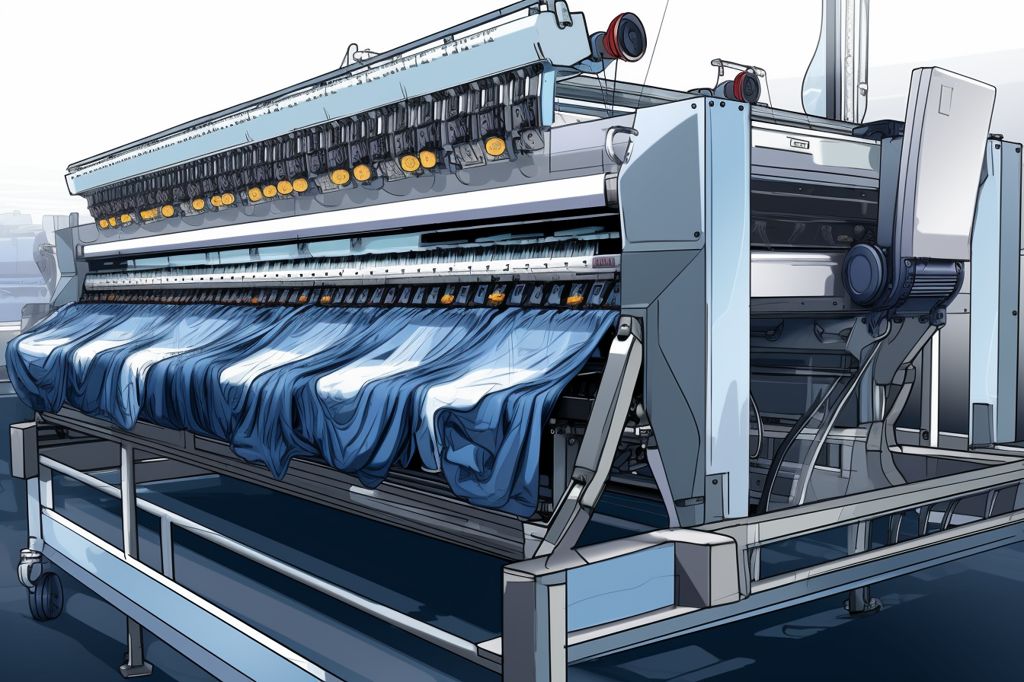
Ivilitex’s initial production is primarily focused on jeanswear for the local retail market. The company’s manufacturing facility is equipped with advanced technology, which enables efficient production and garment washing processes with minimal environmental impact. Thanks to this technology, the factory can produce a pair of jeans in under 13 minutes. Once fully staffed, the facility aims to have a capacity of 1,500 units per day and 33,000 per month.
Impact on Cape Town’s Economy and Job Market
James Vos highlighted the significant contribution of Cape Town’s thriving clothing and textile industry to the city’s economic growth and job creation. He noted that small and medium-sized enterprises, along with large retailers with international footprints, collectively account for approximately 14% of manufacturing employment in South Africa. This translates to an estimated 60,000 to 80,000 jobs, with 23,800 of those located in Cape Town.
The Cape Clothing and Textile Cluster (CCTC), a Special Purpose Vehicle (SPV) supported by the city to promote sectoral skills development and investments, has conducted research indicating that at least 20,000 jobs could be created in Cape Town’s clothing and textile industry. To accomplish this goal, Vos stressed the importance of concentrating on local production and promoting innovative products and practices, such as those developed by companies like the Ivili Group.
For the upcoming financial year (July 2023 – June 2024), the City of Cape Town has allocated R41 million in its ‘Building Hope’ Budget for SPV projects aimed at attracting jobs and investors to the city. Vos expressed his confidence in the city’s ongoing projects and programs, which he believes will continue to bolster the economy, support more individuals, and establish Cape Town as the most business-friendly city in Africa.
Ivilitex: A Beacon of Hope for the Industry
The journey of Ivilitex serves as a powerful example of the potential that lies within South Africa’s clothing and textile industry. Companies like the Ivili Group are leading the way to a more sustainable, resilient, and prosperous future through their focus on local production and technological innovations.
By fostering collaborations and supporting homegrown businesses, we can create new opportunities for economic growth and breathe new life into an industry that has historically been a foundation of South Africa’s identity. The story of Ivilitex and the Ivili Group is one of determination, innovation, and a strong belief in the power of local production. As they continue to make strides in revitalizing the South African textile industry, they serve as an inspiration for others to follow suit and contribute to a brighter future for the country’s economy and its people.
1. What is Ivilitex?
Ivilitex is a new clothing and textile manufacturing facility located in Epping, South Africa. It is a division of the Ivili Group, a women-owned South African company, which aims to increase locally produced apparel from 44% to 65% by 2030.
2. What is the production focus of Ivilitex?
Ivilitex’s initial production focus is on jeanswear for the local retail market.
3. What is the capacity of Ivilitex’s manufacturing facility?
Once fully staffed, the facility aims to have a capacity of 1,500 units per day and 33,000 per month.
4. How long does it take to produce a pair of jeans at Ivilitex’s manufacturing facility?
The factory can produce a pair of jeans in under 13 minutes, thanks to its advanced technology.
5. What is the significance of Ivilitex for South Africa’s textile industry?
Ivilitex’s focus on local production and technological innovations serves as a beacon of hope for the South African textile industry, creating new opportunities for economic growth and job creation.
6. What is the estimated job creation potential of Cape Town’s clothing and textile industry?
At least 20,000 jobs could be created in Cape Town’s clothing and textile industry, according to research conducted by the Cape Clothing and Textile Cluster (CCTC).
7. What is the role of the City of Cape Town in supporting the clothing and textile industry?
The City of Cape Town has allocated R41 million in its ‘Building Hope’ Budget for SPV projects aimed at attracting jobs and investors to the city. The city supports the Cape Clothing and Textile Cluster (CCTC), a Special Purpose Vehicle (SPV) that promotes sectoral skills development and investments.
8. What is the significance of networking opportunities in the clothing industry?
Networking opportunities play a vital role in the clothing industry, as they can help establish connections with various suppliers and key stakeholders, leading to progress for homegrown businesses.