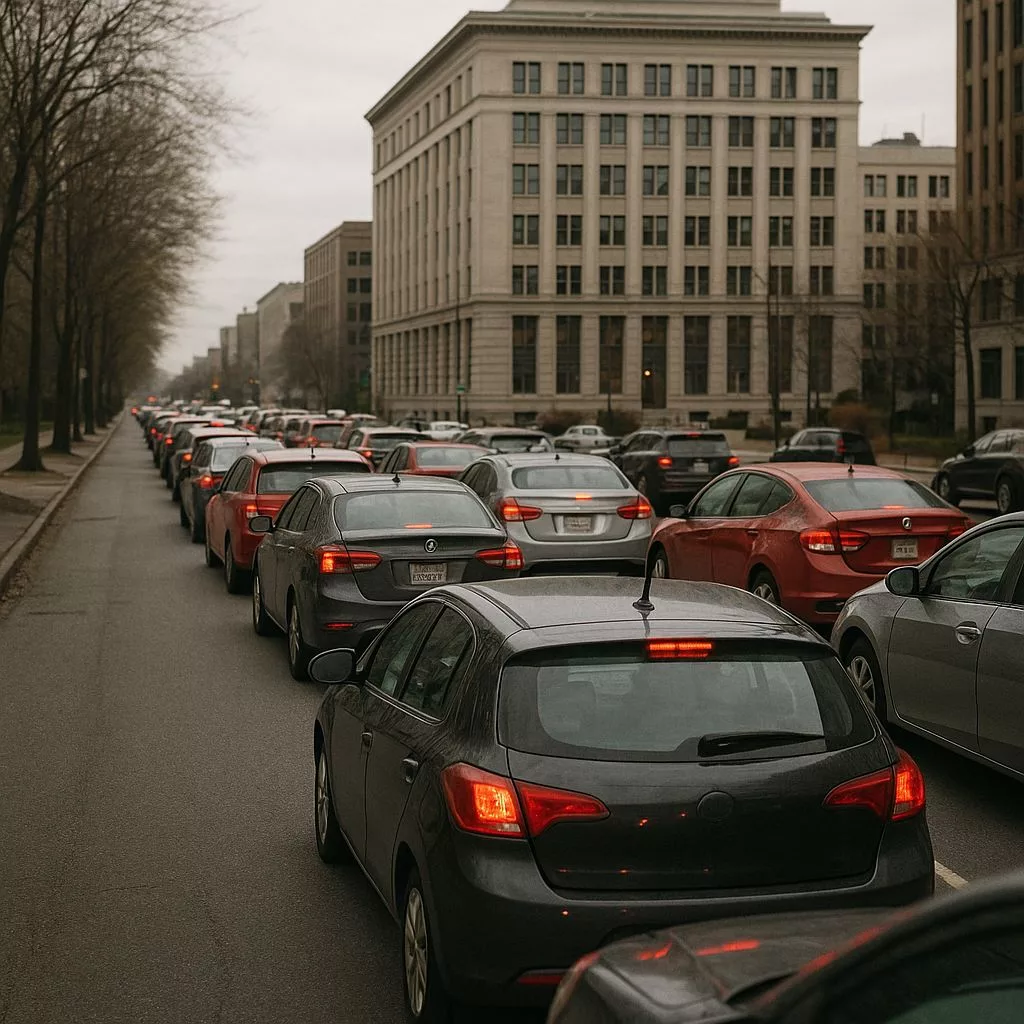
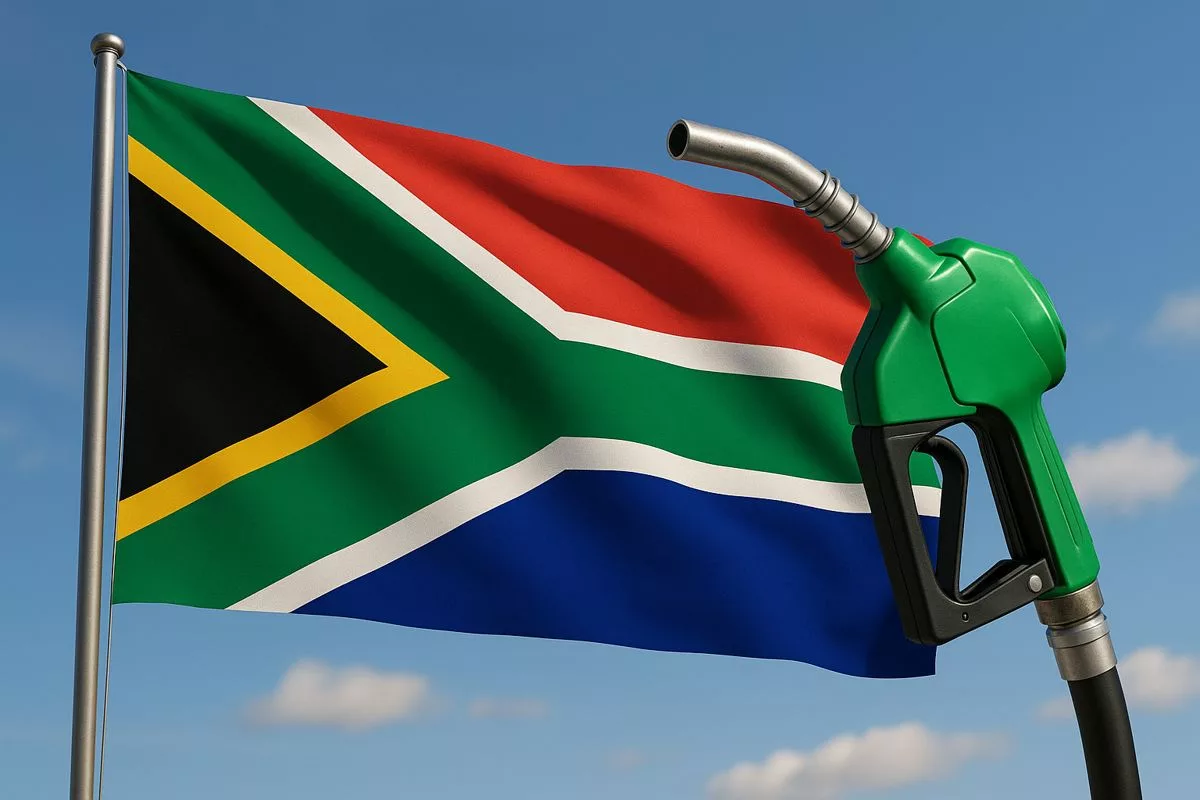
Good news for drivers in South Africa! Starting January 7, 2026, fuel prices are going down. Petrol will be a little cheaper, but diesel will see a much bigger price drop, saving drivers lots of money. This happens because world oil prices are lower and the South African currency is stronger. So, enjoy the savings, but remember this good deal might not last forever!
What changes will motorists see at the pump in January 2026?
Motorists in South Africa can expect a broad-based fuel price reduction from January 7, 2026. Petrol 93 and 95 will decrease by 15–17 cents per litre, while wholesale 0.05% diesel will drop by almost one rand, offering significant savings for drivers.
Midnight on the 7th: What Actually Changes at the Pump
At one minute past twelve on 7 January 2026 the green light flashes on close to 4 800 service-station consoles and about 2 600 commercial diesel depots country-wide. The Central Energy Fund locked its 28-day moving window on 30 December and the arithmetic now points to a broad-based reduction: petrol 93 and 95 should fall 15–17 cents a litre, wholesale 0.05 % diesel is heading for a drop just shy of one rand, while illuminating paraffin is pencilled in at –69 c/l.
Those figures remain “indicative” until the Minister of Mineral & Petroleum Resources signs the final directive on 3 January, once the slate account has absorbed any lingering under-recovery from October and November. Direction, however, is no longer in doubt: this will be the first universal cut since August 2025 and, for diesel, the steepest monthly decline since the –R1.84/l recorded in May 2020 when Brent briefly traded at nineteen dollars.
Motorists who wait until the first Wednesday will save roughly R7 on a 45-litre petrol fill and almost R45 on the same volume of diesel, enough to cover a fast-food family meal or a day’s worth of school-run snacks.
Global Chessboard: Why Oil and the Rand Both Turned Friendly
South Africa’s Basic Fuel Price formula is a closed arbitrage that translates Singapore, Arab Gulf and Mediterranean spot quotes into a landed, duty-paid number. Three outside levers therefore decide your debit-order pain: dollar product prices, the USD/ZAR exchange rate captured at 14:30 every business day, and the mostly flat post-IMO 2020 freight tariff.
Between 27 November and 23 December 2025 dated Brent slid 8.4 % to an average US $64.70/bbl while the ICE gasoil crack narrowed from US $16.50 to US $13.80/bbl. Over the same stretch the rand clawed its way from R18.32 to R16.95, its firmest close since spring 2022. Multiply the two and the “rand-per-barrel” feedstock cost has dropped 20 % year-on-year to R1 100, a level last seen in September 2021. Because the formula is almost linear, a R200/bbl move equals roughly 25 c/l at the pump, so the triple-digit diesel reduction is simply the maths playing out.
Behind the slide lie four converging stories: OPEC+ is returning 2.2 mb/d to market in two tranches, US Lower-48 output just set a fresh record at 13.6 mb/d, Guyana and Brazil are pushing an extra 400 k b/d into the Atlantic, and global demand grew only half its ten-year pace in 2025. Add a 7 % fall in the dollar index and non-commercial shorts at 432 k lots and you have a textbook bear-market cocktail.
Home-Grown Tailwinds: When the Currency Does Some of the Heavy Lifting
The rand’s 9 % year-to-date advance is the second-best among 24 major emerging-market units, beaten only by the Brazilian real. JSE, Bond Exchange and National Treasury data show three pillars of support: foreigners snapped up a net R46 bn in local bonds after Fitch nudged the outlook to “stable”, a record citrus crop plus firmer PGM prices delivered R18 bn more export receipts than the Reserve Bank expected, and October’s Medium-Term Budget revealed the main deficit narrowing to 4.2 % of GDP on the back of R38 bn in mining royalties and a R22 bn VAT overrun.
Every fifty-cent gain in the currency knocks about eleven cents off the fuel tally, so the rand’s rally alone has trimmed 30 c/l from December’s reset. Put differently, even if Brent had stayed flat, South African motorists would still have seen a modest January reprieve thanks to the muscular local unit.
Anatomy of a Diesel Bonanza and the Paraffin Dividend
The wholesale diesel reduction is six times larger than petrol because the gasoil crack, the refining margin that sets diesel’s price, has collapsed from a mid-2022 panic premium of US $34/bbl to US $13.80/bbl. Europe’s middle-distillate tanks are at a 14-month high and Russian ESPO barrels that once moved west now flow to India and Saudi Arabia, obliterating the shortage scare. South Africa sources roughly 65 % of its diesel from Middle-East refineries, so the slump passes straight into the BFP.
Petrol, by contrast, is priced off Singapore 92 RON where naphtha tightness caused by a QatarEnergy RFCC outage and Vietnam’s Dung Quat turnaround has kept the crack stuck near US $8.50/bbl, limiting the monthly saving to about 17 c/l. Illuminating paraffin shares diesel’s benchmark, so the –69 c/l cut will shave R24 a week from the typical seven-litre paraffin purchase made by 1.8 million low-income households, mainly in KwaZulu-Natal, Eastern Cape and Limpopo. Eskom also wins: the utility’s diesel budget for turbine start-up fuel falls by an estimated R180 million in Q-1 2026, small beer against an R11 billion 2025 burn but still welcome.
Taxes, Margins and the Structural Floor
Even if crude collapsed to US $40/bbl and the rand rallied to R14/USD, you would still pay around R11/litre before the retailer adds a cent. The reason is the fixed-cost wedge built into every litre: R4.25 for the General Fuel Levy, R2.43 for the Road Accident Fund, customs and excise at 7.5 c, carbon tax at 10 c (11 c for diesel), plus wholesale and retail margins that range from R2.40 to R2.70 depending on how far you live from the coast.
Taxes therefore swallow 34 % of the inland 93-octane rack price even after January’s gift. National Treasury has already pencilled an inflation-linked hike of about 22 c/l from 2 April, a reminder that only fiscal reform, not wishful crude forecasts, can deliver lasting relief at the pump.
Inflation, Interest Rates and the Road Ahead
Fuel carries a 4.6 % weight in the consumer-price basket and a 9 % share in the transport sub-index. A 50 c/l average reduction across all grades will pull headline inflation down by roughly 15 basis points in January and another 5 bps in February through cheaper taxi, bus and airline fares. December CPI is projected at 3.4 % year-on-year, so the dip could nudge the print toward the 3 % midpoint for the first time since mid-2020. Money-markets have already scaled back January rate-cut bets: forward-rate agreements now imply 25 bps instead of the 40 bps priced a fortnight ago, though Governor de Jager insists core inflation and fiscal risk remain the MPC’s north stars.
Looking forward, Brent futures for December 2026 sit at US $61.50/bbl, a US $3 contango that signals traders expect the glut to linger. If the rand stays closer to R16.50 and Brent to US $60, another 60–70 c/l of cumulative cuts could surface by mid-year, enough to push 95-octane inland below R20/l for the first time since early 2022. That rosy path, however, banks on two heroic assumptions: zero geo-political flare-ups in the Strait of Hormuz and no domestic fiscal slippage that sends the currency back toward R18.50. Until then, motorists should enjoy the rare win and budget for the day the pendulum swings the other way.
When will the fuel price changes take effect in South Africa?
The fuel price reductions will take effect starting January 7, 2026, at one minute past midnight.
What are the specific price reductions for different fuel types?
Petrol 93 and 95 will decrease by 15–17 cents per litre. Wholesale 0.05% diesel will see a much larger drop, almost one rand per litre. Illuminating paraffin is also set to decrease by 69 cents per litre.
What are the main reasons for these fuel price reductions?
The primary reasons for the price cuts are a decrease in world oil prices and a stronger South African Rand against the US Dollar. Specifically, dated Brent crude slid by 8.4% and the rand strengthened from R18.32 to R16.95, significantly reducing the “rand-per-barrel” feedstock cost.
How much money can motorists save with these new prices?
Motorists who wait until the first Wednesday of January 2026 to fill up can save approximately R7 on a 45-litre petrol fill and almost R45 on the same volume of diesel.
Why is the diesel price drop significantly larger than petrol?
The wholesale diesel reduction is six times larger than petrol primarily because the gasoil crack, which determines diesel’s price, has collapsed due to high inventory levels in Europe and a shift in Russian ESPO barrel flows. Petrol’s price reduction is less significant because naphtha tightness in the Asian market has kept its crack value higher.
How do these fuel price changes impact inflation and the economy?
Fuel carries a 4.6% weight in the consumer-price basket. An average 50 c/l reduction across all grades is expected to pull headline inflation down by roughly 15 basis points in January and an additional 5 basis points in February, partly due to cheaper transport fares. This could potentially push the December CPI towards the 3% midpoint for the first time since mid-2020.