Land Dispute Sparks Conflict between Khayelitsha Residents

1 min read
land dispute informal settlements

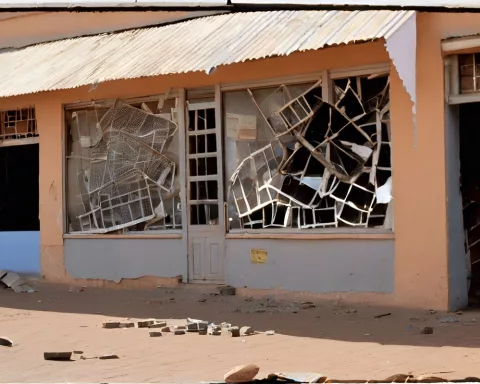
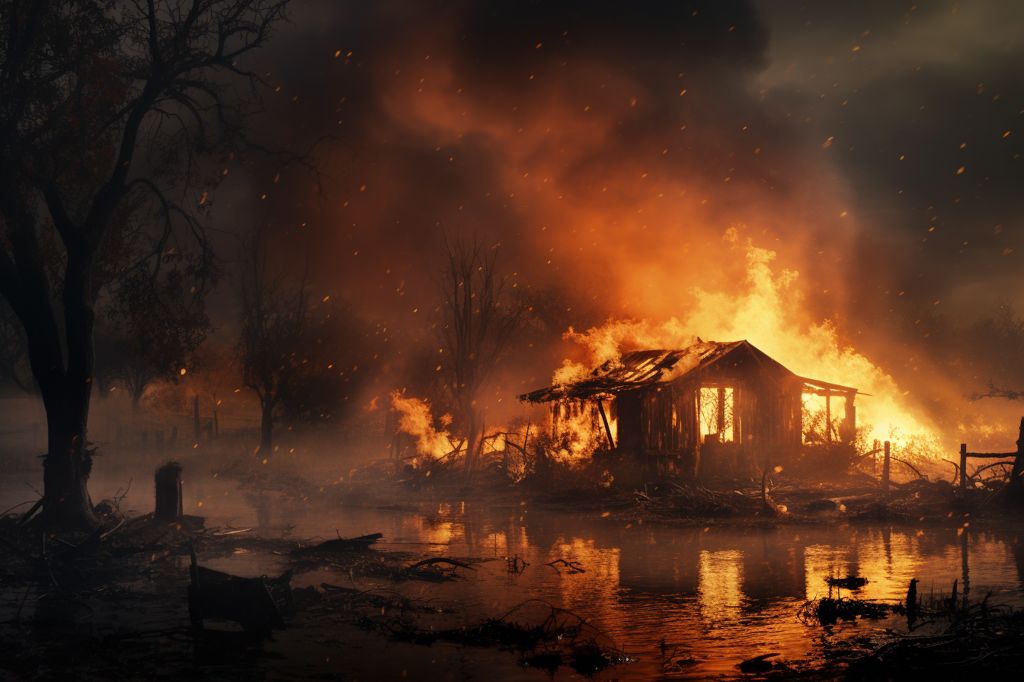
Tensions between residents of Mandela Park and the nearby informal settlements of Siyakhana and Siyahlala have boiled over into violent conflict over a disputed piece of land. Shack dwellers have been attacked by Mandela Park residents, resulting in the burning and destruction of their homes.

The Land Dispute

The contested land, originally allocated for the Mahama housing project, was occupied by residents during the Covid pandemic. The City of Cape Town subsequently declared the land lost for housing. However, Mandela Park residents, including backyarders who hope to benefit from the housing project, are demanding that the land be cleared.

Newsletter

Stay Informed • Cape Town

Get breaking news, events, and local stories delivered to your inbox daily. All the news that matters in under 5 minutes.

Join 10,000+ readers
No spam, unsubscribe anytime

Attempted Resolution

City of Cape Town’s Portfolio Committee on Human Settlements chairperson, Anda Ntsodo, attempted to defuse the situation by emphasizing the benefits of the Mahama project for 2,000 families and calling for peace. Community leader Sibongile Mzondi agreed but insisted that the shack dwellers should not be forced off the land without an alternative location. Thando Aba, chairperson of Mandela Park Backyarders, maintained that they would “clean the land” regardless.

Ward Councillor’s Proposal

Ward councillor Rider Mkutswana urged residents of the informal settlements to compile a list of households to identify those who reside on the land and explore options for their relocation. Mkutswana added that he would request the City to fence the land and ensure that it remains vacant.

Violence and Destruction

Several violent incidents have occurred, including the stabbing of a Siyakhana shack dweller who was patrolling the area. Mandela Park residents attempted to burn a shack, resulting in the victim sustaining multiple stab wounds. The victim was treated and discharged from Khayelitsha District Hospital. Shack dwellers also reported the burning and demolition of their homes, leading to their fear of future attacks.

Seeking Justice

The shack dwellers have reported the incidents to the station commander at Harare police station. The commander directed them to add their accounts to an existing case against formal house residents.

As the conflict between the two communities rages on, the future of the disputed land and the people who call it home remain uncertain. A peaceful resolution is needed, but the path towards achieving it remains unclear.


Isabella Schmidt is a Cape Town journalist who chronicles the city’s evolving food culture, from Bo-Kaap spice merchants to Khayelitsha microbreweries. Raised hiking the trails that link Table Mountain to the Cape Flats, she brings the flavours and voices of her hometown to global readers with equal parts rigour and heart.

Leave a Reply

Your email address will not be published.

Previous Story

Securing the Future of Rugby in Western Province: An Urgent Plea to Support the Equity Deal

Next Story

Netflix South Africa: A Leader in Authentic Storytelling

Latest from Blog

Redberry Farm Unpeeled: A 24-Hectare Love Letter to Strawberries, Steel and Stories

{“text”: “Redberry Farm is not just a farm; it’s a magical place where strawberries, steel, and stories come alive! You’ll see a giant gate that \”breathes\” and hear whispers of tales to come. The farm grows delicious strawberries using clever tricks like special scents and tiny \”beebots\” to help them get super sweet. You can even stay in unique rooms or get lost in a huge maze, all while the farm uses smart tech to make sure everything is good for the earth and full of flavor. It’s a place that never truly sleeps, always working to bring you the best, sweetest stories and strawberries.”}

From SABC to SARS: South Africa’s Leap Toward a Streaming-Age Public-Media Levy

South Africa is ditching its old TV license for a new, smarter way to fund public media by 2027. Instead of paying for a TV, everyone will pay a small, regular amount, like a household bill, collected by SARS. This change aims to give the SABC steady money to keep telling our stories and sharing news, even if we watch on phones or computers. It’s a big leap from dusty old TVs to the modern streaming world, making sure public broadcasting stays alive and well for everyone.

When Gold Turns to Groceries: The Afterlife of a 1995 Springbok Medal

Adriaan Richter, a 1995 Springbok rugby hero, had to auction his World Cup medal because life tackled him hard. After business dreams crashed and debts piled up, that shining medal became his last hope. It wasn’t just gold; it was a lifeline, sold to cover his children’s school fees and keep his family afloat. This onceproud symbol of victory became a stark reminder of life’s tough scrums, showing how even a hero’s glory can turn into groceries.

When a 73-Second Clip Shook Bafana: Anatomy of a Racism Storm

A 73second video of Bafana Bafana coach Hugo Broos scolding a player ignited a huge racism storm in South African football. People online shared the clip, saying a white coach was putting down a black player. This caused a big fight about race, gender, and class in the sport. SAFA worked hard to show the full video and defend their coach. In the end, the player’s mother and the team captain helped calm things down, showing the country’s complicated feelings about race.

21:00 Tonight: 83 Million Reasons to Hold Your Breath

Tonight at 9 PM, South Africa holds its breath for the PowerBall lottery. Eightythree million rand is up for grabs, a lifechanging amount for someone lucky. People pick five numbers and one PowerBall number, hoping their dreams come true. Even though winning is super hard, everyone imagines what they’d do with the money. It’s a moment when the whole country pauses, dreaming big dreams for just a few minutes.