
Langa Tourism Industry: The Role of Local Businesses and Residents

1 min read
south africa langa

Langa, located in the Western Cape of South Africa, has emerged as a popular tourist destination in recent years. The success of its tourism industry can be attributed to various factors, including community workshops, government programs, and the involvement of local businesses and residents.

Local Business: The Langa Quarter

The Langa Quarter is an innovative development that has transformed a previously neglected area into a thriving cultural and tourism hub. The development offers a variety of shops and eateries, a community center, and a backpackers’ hostel. It was created with the input of local residents and aims to showcase the area’s unique cultural heritage, including music, dance, and art.

Newsletter

Stay Informed • Cape Town

Get breaking news, events, and local stories delivered to your inbox daily. All the news that matters in under 5 minutes.

Join 10,000+ readers
No spam, unsubscribe anytime

Other Local Businesses

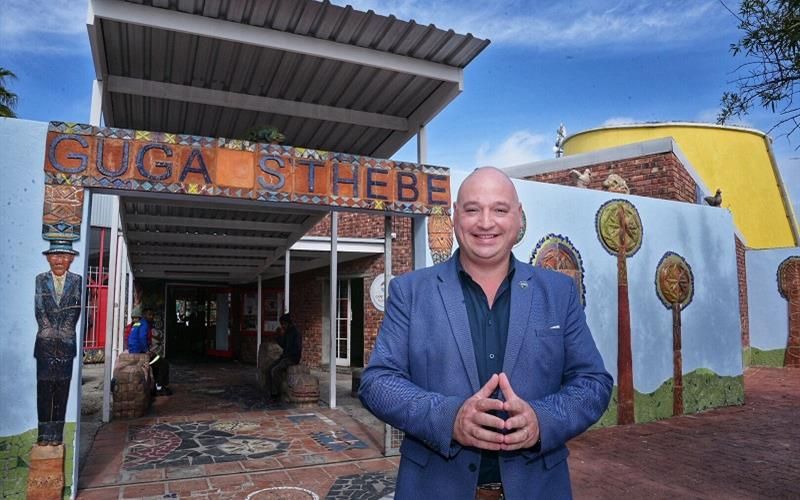
Apart from the Langa Quarter, other local businesses are also taking advantage of the growing tourism industry. The Guga S’thebe Arts and Culture Centre hosts regular events and exhibitions, showcasing the talents of local artists and musicians. The Lelapa Fund provides financial and business support to small tourism enterprises in the townships, helping them to grow and flourish.

Challenges

Despite the success and growth of Langa’s tourism industry, there are still challenges that need to be addressed. The lack of infrastructure and facilities, such as public transport and public toilets, is a major concern. Additionally, crime and safety concerns can deter visitors and harm the reputation of the area.

The involvement of local businesses and residents, along with the support of community workshops and government programs, has contributed to the success of Langa’s tourism industry. The ultimate goal is to create a sustainable and inclusive tourism industry that benefits all members of the community. Continued investment in infrastructure and facilities, along with addressing safety concerns, can ensure the growth and success of Langa’s tourism industry.


A Russian-Spanish journalist and Cape Town native, channels his lifelong passion for South Africa into captivating stories for his local blog. With a diverse background and 50 years of rich experiences, Serjio's unique voice resonates with readers seeking to explore Cape Town's vibrant culture. His love for the city shines through in every piece, making Serjio the go-to source for the latest in South African adventures.

Leave a Reply

Your email address will not be published.

Previous Story

Addressing the Cholera Outbreak in Hammanskraal

Next Story

Gauteng Police Department’s Efforts in Combating Crime

Latest from Blog

Dawn, Dirt and Dinner: A Willowvale Kitchen Without Walls

In Willowvale, farmers cleverly plant in manurefilled pits to save water and feed the soil. They also build special ditches to catch rainwater, making sure not a single drop goes to waste. Cooking happens outdoors, over crackling fires, using fresh food grown right there. They even turn old things into new cooking tools. It’s all about living close to the earth and making every bit count, showing a deep love for nature.

Cape Town Quietly Rewrites the Rules Between Tradition and the State

Cape Town is cleverly changing how it supports traditional initiation camps. They now treat these camps like temporary city areas, providing water, toilets, and trash pickup. This helps keep everyone safe and healthy, using smart data to track everything. It’s a quiet revolution, making sure old traditions fit smoothly into modern city life, and other cities are starting to notice this clever plan.

South Africa Plays Hardball on Hoof-and-Mouth: A Five-Year Blitz to Reopen R7 Billion in Beef Trade

South Africa is launching a massive fiveyear plan to crush FootandMouth Disease for good. They’re upgrading labs, getting tons of vaccines, and working with villages to tag and track every animal. This tough new strategy, backed by big money, aims to reopen a R7 billion beef trade with countries like China and the EU. They’re using strict rules, new tech, and even special meetings with local leaders to make sure no sick animal slips through. It’s a fullon war to protect their cattle and bring back their valuable beef exports!