The Western Cape is launching an initiative to combat cervical cancer by providing free HPV vaccines to girls aged nine and above in public and special education institutions. The program aims to achieve over 80% coverage annually and empower young women. The campaign aligns with the World Health Organization’s goal to eliminate cervical cancer as a public health menace by 2030 and highlights the Western Cape as an innovative region in healthcare.
What is the HPV vaccination program in the Western Cape?
The HPV vaccination program in the Western Cape provides free HPV vaccines to girls aged nine and above, delivered through public and special education institutions. The program, which has been running since 2014, aims to combat the disproportionate effects of cervical cancer on women’s lives and achieve over 80% coverage annually. This initiative empowers young women and aligns with the World Health Organization’s goal to eliminate cervical cancer as a public health menace by 2030.
A New Dawn in Women’s Health
As the sun rises over the Western Cape on February 6th, the Department of Health and Wellness sets out on a monumental health mission. A mission that will redefine the future of women’s health within the beautifully distinctive landscapes of South Africa’s Western Cape. Schools in the province will become the ground zero for an unprecedented initiative aimed at combatting a deadly yet silent adversary: cervical cancer.
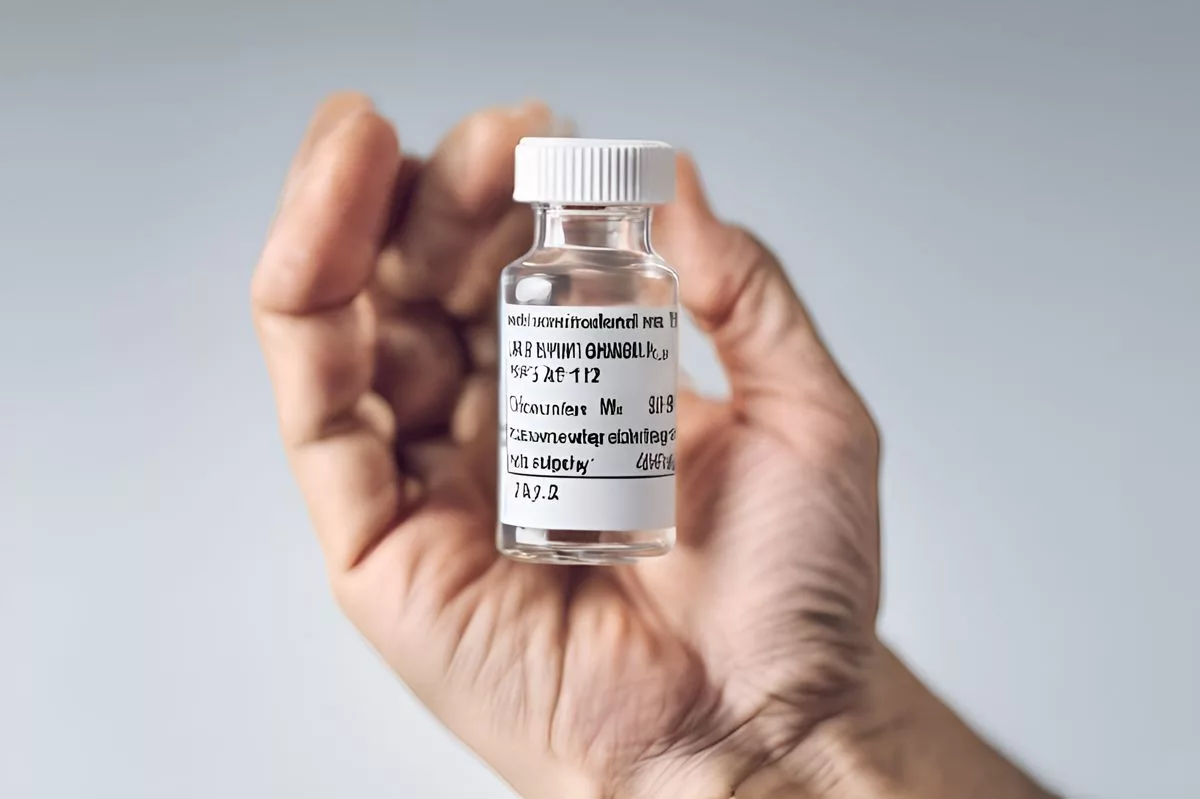
For a period of six weeks, ending on March 20th, health department personnel will traverse public schools and special education institutions bearing a unique type of ‘school supply’ – vials of the human papillomavirus (HPV) vaccine. This lifesaving vaccine, provided free of charge, is intended for girls aged nine and above.
Sr Tamera Jones, a dedicated school health nurse at the Goodwood Community Day Centre, strongly advocates for the significance of this initiative. “The old adage, ‘prevention is better than cure,’ rings true, and through our HPV campaign, we’re enabling grade five girls to build a defense against cervical cancer from a young age,” Jones asserts, her words resonating in the crisp South African morning.
Empowering Young Women Against Cervical Cancer
What sets this initiative apart is its focus on empowering young women, educating them not only about their health but also about the measures they can take to protect it. The girls are not mere beneficiaries of this campaign but are positioned as guardians of their own wellbeing.
The HPV vaccination program is integral to the Western Cape’s demographic composition. The province’s data paints a distressing picture of the disproportionate effects of cervical cancer on women’s lives. Within this context, the department’s initiative shines like a beacon of hope. Since its inception in 2014, the program has delivered nearly 350,000 vaccines spanning almost 1,200 schools each year.
Sonia Botha, the coordinator of the Expanded Programme on Immunisation in the Western Cape, expresses her positivity about the program. She states, “The HPV vaccination program consistently achieves over 80% coverage annually, indicating a high level of acceptance within our communities. It is a crucial investment in women’s health and the future wellbeing of girls in the Western Cape.”
A Call to Action and Global Alignment
The contagious optimism of these health crusaders provokes action even among grandparents, like one grandmother who shared her personal experience of having her granddaughter vaccinated against HPV. She urges parents of eligible young girls to prioritize their daughters’ health and join the collective stand against cervical cancer.
This courageous initiative aligns with the World Health Organization’s (WHO) goal to eliminate cervical cancer as a public health menace by 2030. It spotlights the Western Cape not merely as a region of stunning landscapes but as a territory where health innovations are coming to life.
As the public and special schools across the Western Cape gear up for the arrival of these health champions, daily life continues. The vibrant urban pulse of Cape Town beats to the rhythm of must-do activities and remarkable deals on cars priced under R100,000. But amidst all this hustle and bustle, a silent revolution is taking place – a battle against cervical cancer, fought one HPV vaccination at a time.
Who is eligible for the HPV vaccination program in the Western Cape?
Girls aged nine and above who attend public and special education institutions are eligible for the HPV vaccination program in the Western Cape.
How long has the HPV vaccination program been running in the Western Cape?
The HPV vaccination program has been running in the Western Cape since 2014.
What is the goal of the HPV vaccination program in the Western Cape?
The goal of the HPV vaccination program in the Western Cape is to combat the disproportionate effects of cervical cancer on women’s lives and achieve over 80% coverage annually. This initiative empowers young women and aligns with the World Health Organization’s goal to eliminate cervical cancer as a public health menace by 2030.
How is the HPV vaccination program empowering young women?
The HPV vaccination program is empowering young women by educating them not only about their health but also about the measures they can take to protect it. The girls are positioned as guardians of their own wellbeing, not just beneficiaries of the campaign.
What is the Expanded Programme on Immunisation in the Western Cape?
The Expanded Programme on Immunisation is a program in the Western Cape that aims to provide vaccines to the population. It is coordinated by Sonia Botha and includes the HPV vaccination program.
How does the HPV vaccination program align with global health goals?
The HPV vaccination program aligns with the World Health Organization’s goal to eliminate cervical cancer as a public health menace by 2030. It highlights the Western Cape as an innovative region in healthcare and a territory where health innovations are coming to life.