The Civil Security Cooperation Initiative is a partnership between city governments and community safety partners to incorporate community watch groups and other security structures into intelligence gathering and distribution efforts during crises. The initiative aims to streamline crisis communication and capitalize on the benefits of having a direct communication line with community organizations. This represents a game-changing shift in urban safety management, positioning civic society as the centerpiece of intelligence gathering. The pilot program was tested in a simulated dry run on May 11th, 2024, and proved to be an efficient and effective approach to crisis management.
What is the Civil Security Cooperation Initiative?
The Civil Security Cooperation Initiative is a pilot program between city governments and community safety partners to incorporate community watch groups and other community security structures into intelligence gathering and distribution efforts during crises. The initiative aims to streamline crisis communication and capitalize on the benefits of having a direct communication line with these community organizations. It represents a game-changing shift in urban safety management, positioning civic society as the centerpiece of intelligence gathering.
Pioneering Civic Engagement in Urban Safety
In the domain of city security, an interesting partnership has been observed – a collaboration between city governments and their community safety partners. This intriguing development can be seen in a forward-thinking city that’s trailblazing a fresh approach to streamline its safety networks. While the city’s name is not revealed, they have recently initiated a pilot program for the Civil Security Cooperation Initiative. The purpose of this initiative is to incorporate its Community Watch Groups (CWGs) and other community security structures into its intelligence gathering and distribution efforts during crises.
The dialogue between the city and its Community Watch Groups, chronicled through the CWG Support Programme, has grown and evolved. Traditionally, the CWGs were primarily responsible for performing basic patrols and maintaining an observable presence within their communities. As the world has become more interconnected, the roles of CWGs have broadened. The CWGs are now collaborating more closely with law enforcement agencies, even overseeing CCTV footage within their local communities.
A Shift in Community Involvement
The catalyst for this shift is the acknowledgment of the unique advantage these community safety organizations possess. Community Watch Groups and similar entities often find themselves at the forefront during crises, frequently acting as first responders. Their deep understanding of their communities and strong local presence make them invaluable allies in intelligence sharing during emergencies.
An instance illustrating this point could be a public security crisis such as a demonstration, flood, or other disaster situations. These community entities usually have early access to rumors and early alerts about such events. By tapping into this informal information network, the city can validate or authenticate the risk, leading to fast action and response. The introduction of a dedicated WhatsApp channel simplifies this process by providing a direct communication line to the city’s Joint Operations Centre, which helps allocate resources promptly.
Streamlining Crisis Communication
The initiative is set up to capitalize on the benefits of having a direct, uncensored communication line with these community organizations. This connection empowers the city to bypass usual bureaucratic hurdles, cut through irrelevant information, and respond quickly to emergencies. A dedicated WhatsApp line has been set up where a maximum of two representatives from each Community Watch Group can join and contribute to the initiative.
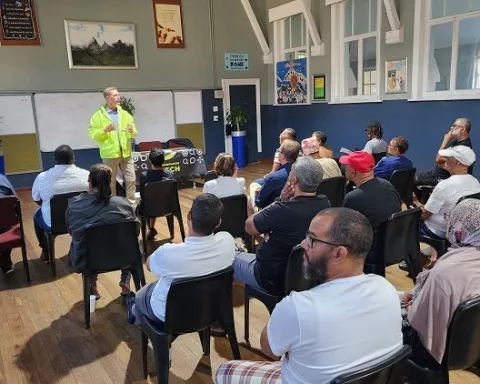
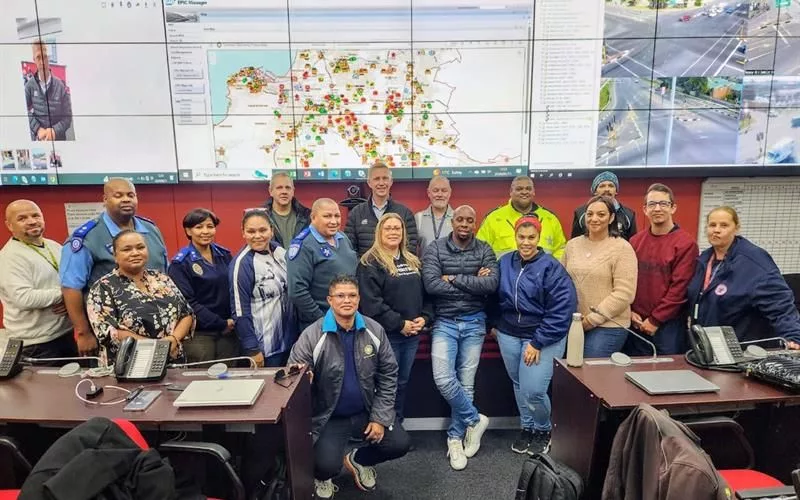
The efficiency of this new approach was trialed on Saturday, 11 May 2024, when a simulated dry run of the system was conducted. Representatives from various Community Watch Groups and other civic society safety partners engaged in this exercise, using the platform to relay information to the city.
Championing Civic Collaboration in Crisis Management
The Civil Security Cooperation Initiative is a revolutionary endeavor to unlock the power of civic society in urban safety situations. It represents the city’s acknowledgment of the importance and value of community organizations in ensuring peace and security. The city’s efforts to redefine the role of these structures, transforming them from simple observers to active players in the intelligence sharing and verification process, underlines the potential of civic society collaboration in crisis management.
This initiative symbolizes a game-changing shift in urban safety management, positioning civic society as the centerpiece of intelligence gathering. It is a brave leap towards a more integrated, cooperative, and responsive urban safety network. Whether this model can be successfully replicated in other urban contexts remains uncertain, but the initiative certainly serves as an intriguing example of civic security cooperation worth observing.
1. What is the Civil Security Cooperation Initiative?
The Civil Security Cooperation Initiative is a pilot program between city governments and community safety partners to incorporate community watch groups and other community security structures into intelligence gathering and distribution efforts during crises.
2. What is the purpose of the Civil Security Cooperation Initiative?
The purpose of the Civil Security Cooperation Initiative is to streamline crisis communication and capitalize on the benefits of having a direct communication line with community organizations during crises.
3. What is the role of Community Watch Groups in the initiative?
Community Watch Groups and similar community safety entities are being incorporated into the initiative to act as first responders and share crucial information during crises, due to their deep understanding of their communities and strong local presence.
4. How is crisis communication being streamlined in the initiative?
The initiative is set up to capitalize on the benefits of having a direct, uncensored communication line with community organizations, empowering the city to bypass usual bureaucratic hurdles and respond quickly to emergencies. A dedicated WhatsApp line has been set up where representatives from each Community Watch Group can join and contribute to the initiative.
5. Has the pilot program been tested?
Yes, a simulated dry run of the system was conducted on May 11th, 2024, with representatives from various Community Watch Groups and other civic society safety partners engaged in the exercise, using the platform to relay information to the city.
6. What does the Civil Security Cooperation Initiative represent?
The Civil Security Cooperation Initiative represents a game-changing shift in urban safety management, positioning civic society as the centerpiece of intelligence gathering. It is a brave leap towards a more integrated, cooperative, and responsive urban safety network.