A fire has destroyed the Lichtenburg Museum and partially damaged the town hall in North West Province, South Africa. The cause of the fire is under investigation, and the loss of the museum, which preserved the area’s rich history and identity, is a significant blow to the community. The incident emphasizes the need for comprehensive fire safety measures and shared responsibility for preserving cultural landmarks. The community must unite, support one another, and strive to rebuild their prized cultural and administrative core to restore their shared heritage and pride.
What happened to the Lichtenburg Museum and Town Hall in South Africa?
A devastating fire destroyed the Lichtenburg Museum and partially damaged the neighboring town hall in North West Province, South Africa. The cause of the fire is currently under investigation. The loss of the museum, which preserved the area’s rich history and identity, is a significant blow to the community. The partial damage to the town hall also disrupts crucial public services and events. The incident highlights the need for comprehensive fire safety measures and shared responsibility for preserving cultural landmarks.
A Tragic Loss for the Community
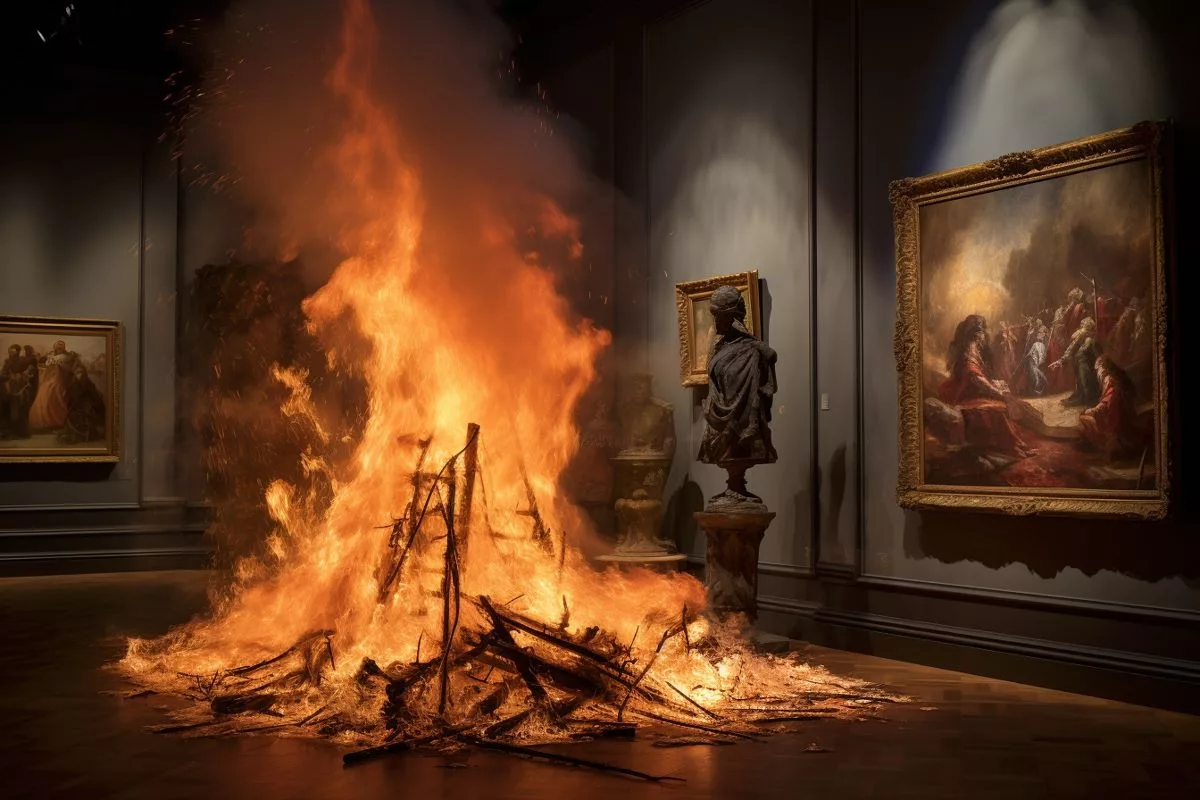
A catastrophic fire ravaged the Lichtenburg Museum and the neighboring town hall in North West Province, South Africa, inflicting tremendous damage. The blaze took place during the evening, completely destroying the museum building and partially damaging the town hall. Fortunately, there were no reported injuries in this heartbreaking event. Authorities are diligently working to identify the cause of the fire while asking for swift action and the public’s assistance.
The Lichtenburg Museum, a cultural and historical gem, preserved artifacts and memorabilia that depicted the narrative of Lichtenburg and its neighboring communities. As a guardian of local heritage, the museum was crucial in conserving and presenting the area’s rich history and distinctive identity. The loss of such a priceless institution is undeniably a blow to the community and a stark reminder of our shared cultural heritage’s vulnerability.
The town hall, an architectural milestone, functioned as a vital center for local government operations and events. Its partial damage is an additional cause for concern, disrupting crucial public services and gatherings, and significantly impacting the local community.
Investigation and Response
Following the fire, North West MEC for Cooperative Governance, Human Settlements, and Traditional Affairs, Nono Maloyi, urged the South African Police Service (SAPS) to accelerate their investigation into the fire’s cause. Maloyi stressed the importance of a comprehensive examination of the fire’s origin while encouraging the police to be relentless in their efforts.
As forensic investigators evaluate the damage, the area has been sealed off to enable them to work undisturbed. Simultaneously, Maloyi has called on the public to collaborate with the authorities, appealing to Lichtenburg and the broader Ditsobotla region’s residents to provide any information that might aid the investigation.
The fire’s timing is particularly disheartening, as the provincial government has been working tirelessly to implement interventions aimed at enhancing the municipality’s performance. The incident has unquestionably cast a pall over these endeavors, as the community struggles with the loss of their cultural and administrative nucleus.
Lessons and Moving Forward
The Lichtenburg Museum and town hall fire is a poignant reminder of our historical and cultural landmarks’ fragility. Additionally, it emphasizes the importance of implementing proactive measures to safeguard these vital institutions and ensure their preservation for future generations.
As the investigation progresses, the community’s resilience will surely be tested. Nevertheless, community members must unite, support one another, and strive to rebuild their prized cultural and administrative core. With collective determination and the necessary assistance from the authorities, the people of Lichtenburg and Ditsobotla can rise from the ashes and restore their shared heritage and pride.
While the authorities carry out their investigation and the community grapples with the loss of their treasured landmarks, it is vital to reflect on the broader implications of this incident. The Lichtenburg Museum and town hall fire serves as a grim reminder of the need for comprehensive fire safety measures in all public institutions, ensuring that these essential spaces are properly protected and preserved for generations to come.
Moreover, it highlights the significance of cultivating a sense of shared responsibility for our cultural and historical landmarks. Preservation of these institutions is not solely the domain of the authorities; rather, it is a collective effort that necessitates the participation and dedication of the entire community.
In the wake of this tragedy, let us not only grieve the loss of the Lichtenburg Museum and town hall, but also reaffirm our commitment to preserving our shared cultural and historical heritage. By working together, we can help guarantee that the cherished spaces representing our collective identity are shielded against future catastrophes.
At the same time, it is crucial to acknowledge and praise the fire and emergency services’ efforts, whose prompt response and dedication helped prevent further destruction and potentially saved lives. Their courage and professionalism in the face of danger demonstrate their unwavering commitment to serving their community.
As the people of Lichtenburg and Ditsobotla embark on the lengthy road to recovery, they must draw strength from their shared history and cultural identity. By coming together and supporting one another, they can surmount this setback and work towards a brighter future, where their esteemed landmarks stand tall, a testament to their resilience and unity.
1. What caused the fire at the Lichtenburg Museum and Town Hall in South Africa?
The cause of the fire is currently under investigation. Authorities are working to identify the cause of the fire while asking for swift action and the public’s assistance.
2. Were there any injuries or casualties reported during the fire?
Fortunately, there were no reported injuries during the catastrophic fire that destroyed the Lichtenburg Museum and partially damaged the town hall in North West Province, South Africa.
3. What was the significance of the Lichtenburg Museum to the community?
The Lichtenburg Museum preserved artifacts and memorabilia that depicted the narrative of Lichtenburg and its neighboring communities. As a guardian of local heritage, the museum was crucial in conserving and presenting the area’s rich history and distinctive identity. The loss of such a priceless institution is undeniably a blow to the community and a stark reminder of our shared cultural heritage’s vulnerability.
4. What services were disrupted due to the partial damage to the town hall?
The partial damage to the town hall has disrupted crucial public services and gatherings, significantly impacting the local community.
5. What actions are being taken to investigate the incident?
Following the fire, North West MEC for Cooperative Governance, Human Settlements, and Traditional Affairs, Nono Maloyi, urged the South African Police Service (SAPS) to accelerate their investigation into the fire’s cause. Maloyi stressed the importance of a comprehensive examination of the fire’s origin while encouraging the police to be relentless in their efforts.
6. What can the community do to help with the investigation?
As forensic investigators evaluate the damage, the area has been sealed off to enable them to work undisturbed. Simultaneously, Maloyi has called on the public to collaborate with the authorities, appealing to Lichtenburg and the broader Ditsobotla region’s residents to provide any information that might aid the investigation.
7. What lessons can we learn from this tragedy?
The Lichtenburg Museum and town hall fire is a poignant reminder of our historical and cultural landmarks’ fragility. Additionally, it emphasizes the importance of implementing proactive measures to safeguard these vital institutions and ensure their preservation for future generations.
8. How can we work towards preserving our shared cultural and historical heritage?
Preservation of cultural and historical landmarks is not solely the domain of the authorities; rather, it is a collective effort that necessitates the participation and dedication of the entire community. By working together, we can help guarantee that the cherished spaces representing our collective identity are shielded against future catastrophes.