Thohoyandou, in the Limpopo Province, is the center of South Africa’s Reconciliation Day celebrations. The day represents national unity and healing from the country’s past divisive history. President Cyril Ramaphosa’s keynote speech is highly anticipated, with hopes for a strengthened intercommunity relationship and a united society. The day is a call for South Africans to reflect on their shared journey and contribute to a future free from past injustices, celebrating their complex identity as a nation.
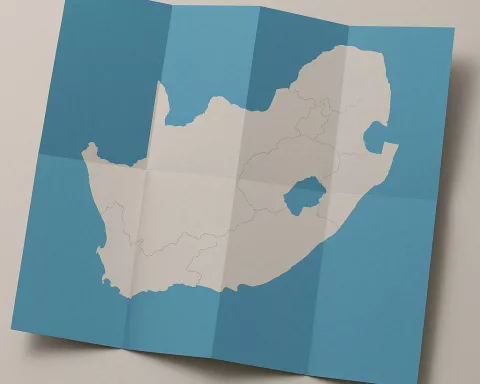
South Africa celebrates its Reconciliation Day on December 16th each year. This year, Thohoyandou, a town located in the heart of the Limpopo Province, is the epicentre of the celebrations, resonating with historical and cultural richness.
A Day of National Unity
The 16th of December holds different meanings for different groups in South Africa’s diverse society. The Afrikaans community commemorates it as the Day of the Vow, which remembers the 1838 Battle of Blood River. On the other hand, the liberation struggle movement celebrates it as a tribute to the birth of Umkhonto we Sizwe in 1961. Today, in a South Africa free from apartheid, the day shines as a symbol of national unity, fostering hope for a country healing from its divisive past.
Thohoyandou: A Symbol of Strength
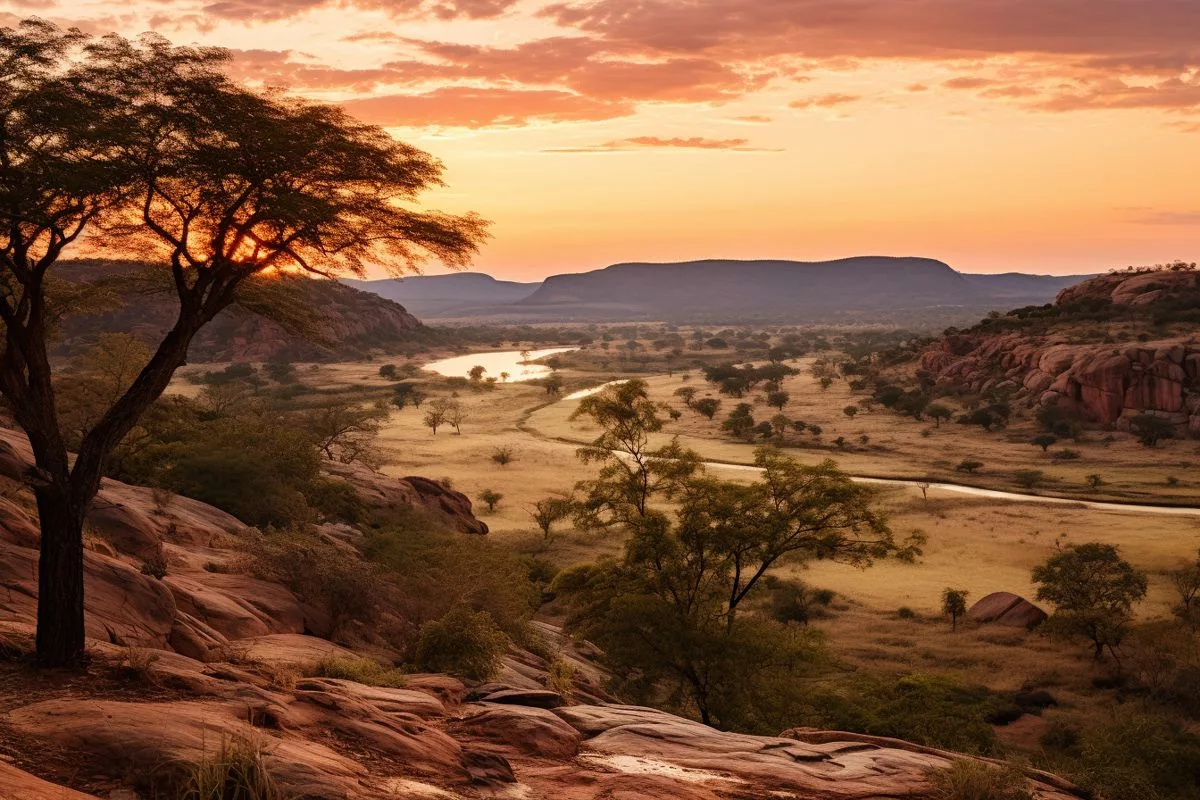
As the administrative centre of the Vhembe District and former capital of the Venda bantustan, Thohoyandou is a town that carries immense symbolic significance. Its name translates to “head of the elephant,” which encapsulates the strength and resilience that define the South African ethos. The Limpopo Province, with the legendary Kruger National Park within its borders, provides an ideal backdrop for introspection on this day, with its diverse ecosystems and rich cultural heritage amplifying its appeal.
A Call for Unity
South Africans eagerly anticipate the keynote address by President Cyril Ramaphosa, the fifth president of democratic South Africa and a key protagonist in the transition from apartheid. The expectation is that he will articulate plans to strengthen intercommunity relations and foster a united society that has emerged from the darkness of past discrimination.
Social media platforms are filled with messages urging reconciliation and emphasizing the need for introspection, nation-building, and recognition of South Africa’s complex identity. South Africans are encouraged to contribute to sculpting a future free from the vestiges of past injustices.
Celebrating National Identity
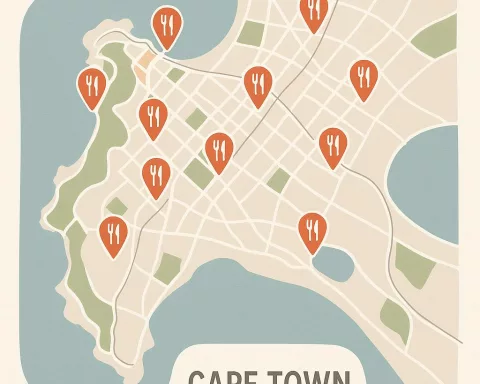
Cape Town joins the celebrations by opening its Iziko museums for free, allowing the community to delve into their shared history. In Thohoyandou, the air is thick with anticipation. President Ramaphosa is expected to echo the theme for 2023, “Strengthening unity and social cohesion in a healing nation.” This is more than a mere slogan – it is a clarion call for every South African to contribute to creating a future that is free from the vestiges of past injustices.
A Collective Aspiration for a United Nation
As South Africa marks this Reconciliation Day, there is a collective aspiration that the discourses and pledges made in the heart of Limpopo will resonate across the nation. It is an opportunity for South Africans to reflect on their shared journey, respect their diverse narratives, and weave a collective identity that is teeming with potential.
In the spirit of unity, capetown.today joins the national celebration, echoing the chorus for unity and social cohesion from the shores of Cape Town to the heart of Thohoyandou. Let us celebrate Reconciliation Day with joy and may our nation continue to thrive and strengthen in unity.
1. What is South Africa’s Reconciliation Day, and when is it celebrated?
South Africa’s Reconciliation Day is a national holiday that represents national unity and healing from the country’s past divisive history. It is celebrated on December 16th each year.
2. Where is the epicentre of this year’s Reconciliation Day celebrations, and why is it significant?
This year, Thohoyandou, a town located in the heart of the Limpopo Province, is the epicentre of the celebrations. This town carries immense symbolic significance as the administrative centre of the Vhembe District and former capital of the Venda bantustan. Its name translates to “head of the elephant,” which encapsulates the strength and resilience that define the South African ethos.
3. Who will be delivering the keynote address during the Reconciliation Day celebrations, and what is expected of it?
President Cyril Ramaphosa, the fifth president of democratic South Africa and a key protagonist in the transition from apartheid, will be delivering the keynote address. The expectation is that he will articulate plans to strengthen intercommunity relations and foster a united society that has emerged from the darkness of past discrimination.
4. How are South Africans encouraged to contribute to creating a future free from the vestiges of past injustices?
South Africans are encouraged to contribute to sculpting a future free from the vestiges of past injustices by urging reconciliation, emphasizing the need for introspection, nation-building, and recognition of South Africa’s complex identity.
5. What is the theme for the 2023 Reconciliation Day celebrations, and what does it represent?
The theme for the 2023 Reconciliation Day celebrations is “Strengthening unity and social cohesion in a healing nation.” This is more than a mere slogan – it is a clarion call for every South African to contribute to creating a future that is free from the vestiges of past injustices, and a celebration of the nation’s potential when it works together.