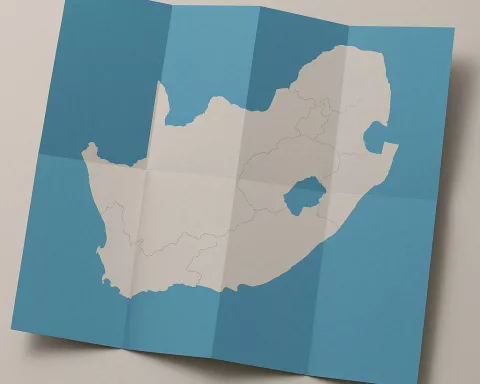
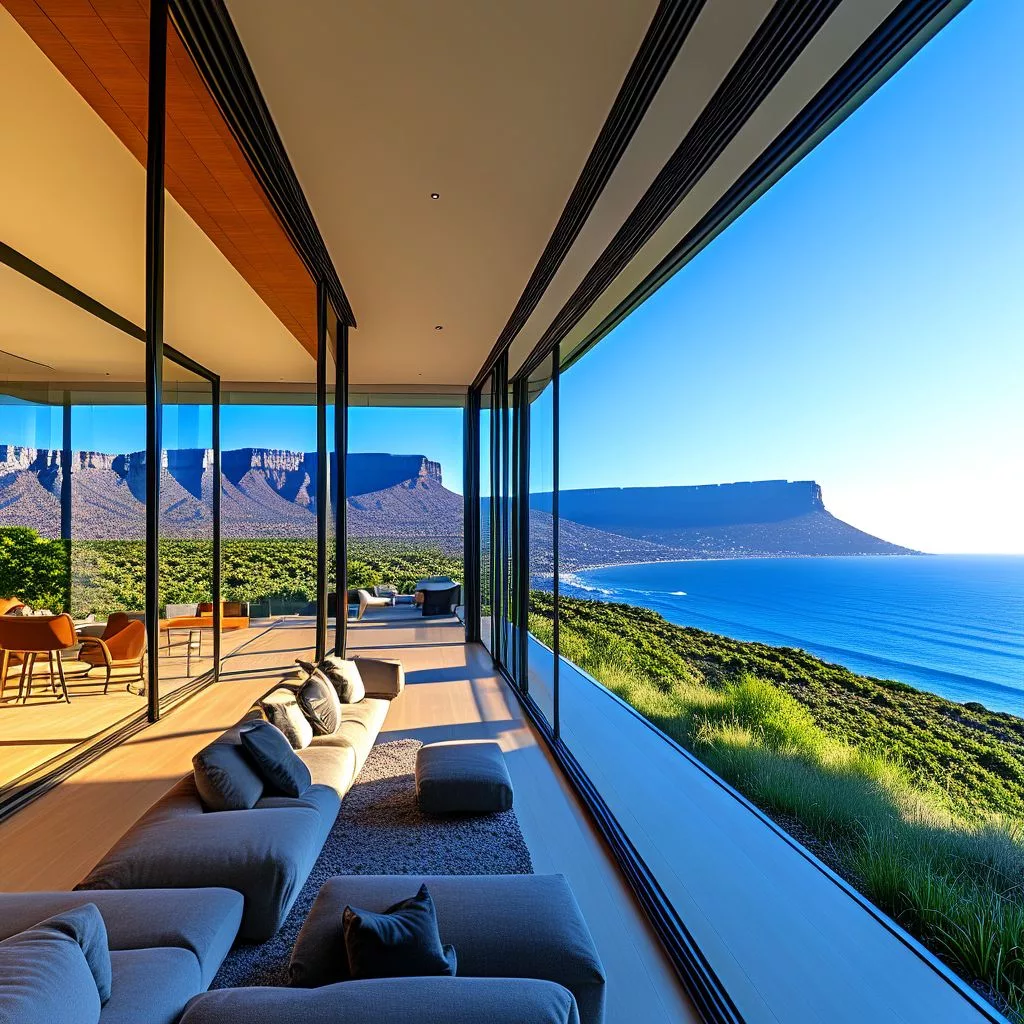
Listing Cape Town Season 3 shines a bright light on the city’s stunning mix of wild nature, stylish homes, and vibrant culture. Each episode takes you inside unique houses where creativity and luxury meet, set against Cape Town’s breathtaking mountains and ocean views. The show also explores how the city’s changing neighborhoods and global spirit shape the dreams and deals behind the scenes. More than just real estate, it’s a story of people, ambition, and the special magic that makes Cape Town home.
What makes Listing Cape Town Season 3 unique?
Listing Cape Town Season 3 showcases Cape Town’s stunning blend of natural beauty, luxury architecture, and diverse culture. It highlights innovative homes, emerging neighborhoods, and the city’s dynamic real estate market, where creativity, ambition, and local lifestyle intersect in breathtaking ways.
Cape Town: A City Shaped by Land and Sea
Cape Town stands as a remarkable fusion of rugged natural beauty and urban energy—a place where rolling mountains tumble into the Atlantic, and every street seems to frame a postcard view. This city isn’t simply a setting for television; it’s a living character, infusing each episode of Listing Cape Town with atmosphere and drama. The third season of the show captures this spirit, immersing viewers in a landscape that pulses with history and possibility.
On Wednesday evenings at 8 pm, BBC Lifestyle transforms prime time into a showcase of design, aspiration, and the unique drama embedded in property deals. But Listing Cape Town offers much more than a glimpse into luxury homes. The city itself commands attention, shaping stories and influencing characters on both sides of the negotiating table. Each episode unfolds against a backdrop where the mountains, ocean, and sky seem to conspire in creating a sense of wonder.
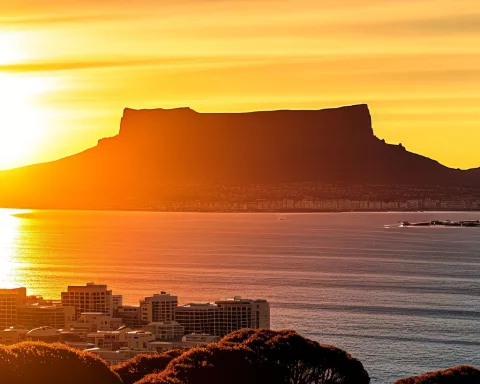
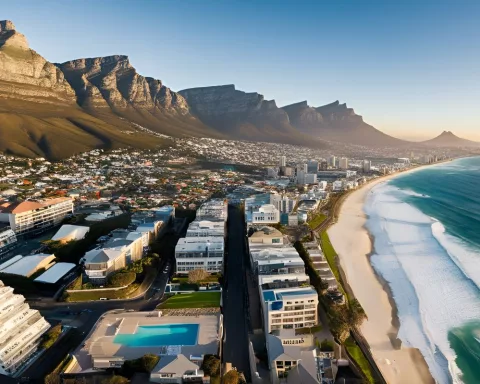
Cape Town’s geography gives it a visual power that rivals any city worldwide. You’ll watch clouds spilling over Table Mountain, ribbons of dazzling coastline, and neighborhoods where historic facades mingle with cutting-edge architecture. The city’s diversity radiates from its streets: colonial echoes, bold modernism, and the undeniable imprint of history, all converging to make Cape Town a global magnet for dreamers, creators, and investors alike.
The Artistry of Real Estate: Homes as Portraits
Far from being just a property showcase, Listing Cape Town delves into how architecture acts as a canvas for personal stories. Every home reveals not only the tastes of its owners but also the evolving desires of those who choose to call Cape Town home. The show’s lens lingers on homes that push boundaries, offering a rare chance to see how luxury and artistry merge in this dynamic market.
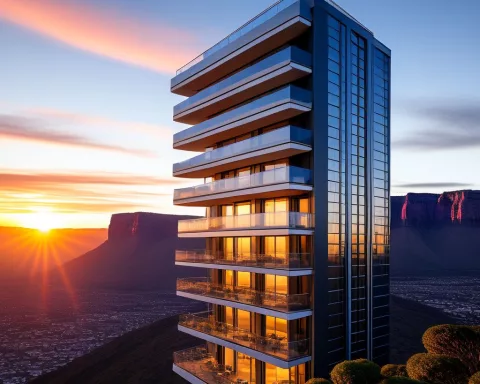
In Bishopscourt, for example, a contemporary residence hides an impressive wine cellar beneath its floors—a quiet sanctuary that opens into a sleek guest suite. This isn’t simply a house; it’s an experience, echoing the clean lines of Bauhaus minimalism while still feeling warm and inviting. Expansive glass walls dissolve the barriers between inside and out, inviting nature and sunlight into every room. Custom finishes and private elevators heighten the sense of exclusivity, but never at the expense of comfort.
Elsewhere, the show reveals a home perched atop cliffs with the Atlantic churning below. Its rooftop garden draws inspiration from Scandinavian eco-design, while art deco touches inside remind visitors of Cape Town’s own architectural heritage. These residences blend global influences with unmistakably local character, resulting in spaces that feel both cosmopolitan and rooted in South African culture.
The Global Allure and Changing Identity of Cape Town
Over the past ten years, Cape Town’s property market has transformed, attracting buyers from all corners of the world. The city now welcomes investors and residents from Europe, North America, and the Middle East—a cosmopolitan energy that Listing Cape Town captures with authenticity and flair. The agents often navigate deals in several languages, while buyers share tales of life in cities like London or Berlin, only to be captivated by a Cape Town sunset.
This international influx has reshaped neighborhoods that once felt distinctly local. Today, visitors and residents alike encounter a tapestry of accents and backgrounds, even in the city’s most exclusive enclaves. Such diversity brings both opportunity and challenge: escalating home prices, greater exclusivity, and ongoing questions about what it means to be a “local” in a city evolving so quickly.
Yet, the show never loses sight of the personal journeys entwined in these transactions. We see agents balancing strategy and emotion, revealing the triumphs and heartbreaks that shape every deal. In Cape Town, a property’s allure might hinge on a breathtaking view, the innovative use of local materials, or the promise of privacy in a city that thrives on curiosity and creativity.
Signature Luxury: Cape Town’s Distinctive Style
The meaning of luxury in Cape Town doesn’t always follow global trends. Instead, it’s shaped by local traditions and practical needs. For instance, many high-end homes feature dedicated braai rooms, where the South African love of open-flame grilling becomes a centerpiece of both architecture and lifestyle. Home offices have also gained prominence, reflecting the shift toward remote work and the need for spaces that combine elegance and utility. But perhaps nothing defines a luxury property here more than its outlook—whether it’s panoramic sea views, the gleaming cityscape, or Table Mountain’s iconic silhouette.
In a memorable episode, a property in Clifton sparks a fierce bidding war—not for its imported finishes or designer lighting, but for its two secure parking spaces close to the beach, an unexpected but highly prized feature in this sought-after area. The attention to details like parking speaks volumes about Cape Town’s unique real estate priorities.
Wine cellars serve as another hallmark of Cape Town luxury, paying homage to the region’s celebrated wine culture. One home showcases a dramatic double-volume tasting room, enclosed by glass and lined with bottles from local estates. A sweeping staircase invites guests to descend and sample the city’s finest vintages, turning a simple feature into a statement of cultural pride.
The Shifting Landscape: Emerging Neighbourhoods and New Lifestyles
While classic addresses like Camps Bay and Clifton remain the gold standard, new patterns are unfolding in the wake of changing work habits and lifestyle preferences. The pandemic has accelerated interest in quieter, more expansive areas—places where buyers can retreat without sacrificing convenience. Suburbs such as Hout Bay, Noordhoek, and Yzerfontein have surged in popularity, offering larger plots, tranquil settings, and sweeping natural beauty.
In Noordhoek, sprawling properties offer space for families, gardens, and even horses, all framed by endless mountain and ocean vistas. Yzerfontein, with its windswept beaches and relaxed pace, appeals to those who crave distance from the city’s intensity yet still want access to its amenities. This migration reflects a broader movement toward sustainable living, biophilic design, and homes that blur the line between indoors and out.
Cape Town’s most desirable new homes now often include indigenous gardens, solar technology, and water-saving innovations. These features show that environmental consciousness and luxury can coexist, and sometimes even enhance each other—another way in which Cape Town’s property scene sets itself apart from global norms.
Aspirational Living: The Heart of Listing Cape Town
For many viewers, Listing Cape Town is more than entertainment—it’s an invitation to dream. Each episode provides a window into new ways of living, where ambition, artistry, and natural beauty intertwine. The camera glides past infinity pools and sculptural staircases, inviting us to reflect on what makes a house truly feel like home, especially in a city where the old and new worlds meet at the continent’s edge.
The show’s lasting appeal lies in its refusal to treat homes as mere objects. Instead, it crafts narratives of migration, belonging, reinvention, and heritage. Every property featured becomes a stage for human ambition and creativity—a place where stories are written in glass, stone, and light. For those fascinated by architecture, culture, or simply the aspiration that fuels every transaction, Listing Cape Town delivers a portrait as rich and layered as any artwork in the city’s world-renowned museums. In doing so, it stands as a testament to the enduring allure of Cape Town itself—a city where art, ambition, and architecture truly converge.
What is Listing Cape Town Season 3 about?
Listing Cape Town Season 3 is a captivating real estate series that explores Cape Town’s unique blend of natural beauty, luxury homes, and vibrant culture. Each episode showcases innovative architecture that merges creativity and comfort, set against the city’s stunning mountains and ocean views. Beyond properties, the show delves into the ambitions, stories, and lifestyle of those who shape Cape Town’s dynamic real estate market.
How does the show highlight Cape Town’s geography and cultural diversity?
The series treats Cape Town not just as a backdrop but as a living character—showing how the city’s rugged mountains, sprawling coastline, and historic neighborhoods influence the stories and deals featured. Through diverse architectural styles and multicultural residents, Listing Cape Town reveals the city’s complex identity, where colonial history, modern design, and global influences coexist and enrich the local landscape.
What types of homes and architectural styles are featured in the series?
Listing Cape Town highlights homes that act as artistic portraits, blending global design trends with local culture. Examples include Bauhaus-inspired minimalist estates with wine cellars, eco-friendly rooftop gardens drawing from Scandinavian styles, and properties that incorporate art deco touches reflecting Cape Town’s heritage. The show celebrates homes that emphasize indoor-outdoor living, custom finishes, and sustainable innovations like indigenous gardens and solar technology.
How does the show address Cape Town’s evolving real estate market and luxury lifestyle?
The series captures the influx of international buyers from Europe, North America, and the Middle East, showcasing how this global interest reshapes neighborhoods and drives up property values. It also reflects distinctive local luxury features such as braai (barbecue) rooms, private elevators, and prized amenities like secure beach parking. Luxury here is defined not just by opulence but by a home’s connection to nature, privacy, and cultural traditions like wine tasting.
Which neighborhoods does Listing Cape Town focus on, and what trends are emerging?
While iconic areas like Camps Bay and Clifton remain highlights, Season 3 explores emerging suburbs such as Hout Bay, Noordhoek, and Yzerfontein. These neighborhoods appeal to buyers seeking spacious, tranquil environments that accommodate new lifestyles influenced by remote work and sustainability. The show spotlights homes with large plots, gardens, and eco-friendly features, illustrating a shift toward biophilic design and harmonious living with nature.
Why is Listing Cape Town appealing beyond typical real estate shows?
Listing Cape Town goes beyond showcasing luxury properties by weaving narratives of aspiration, creativity, and belonging. It captures the emotional and cultural dimensions behind each transaction, portraying homes as stages for personal stories and reinvention. The show’s rich storytelling, combined with stunning cinematography of Cape Town’s landscapes and architecture, offers viewers insight into the city’s unique spirit and the dreams it inspires worldwide.