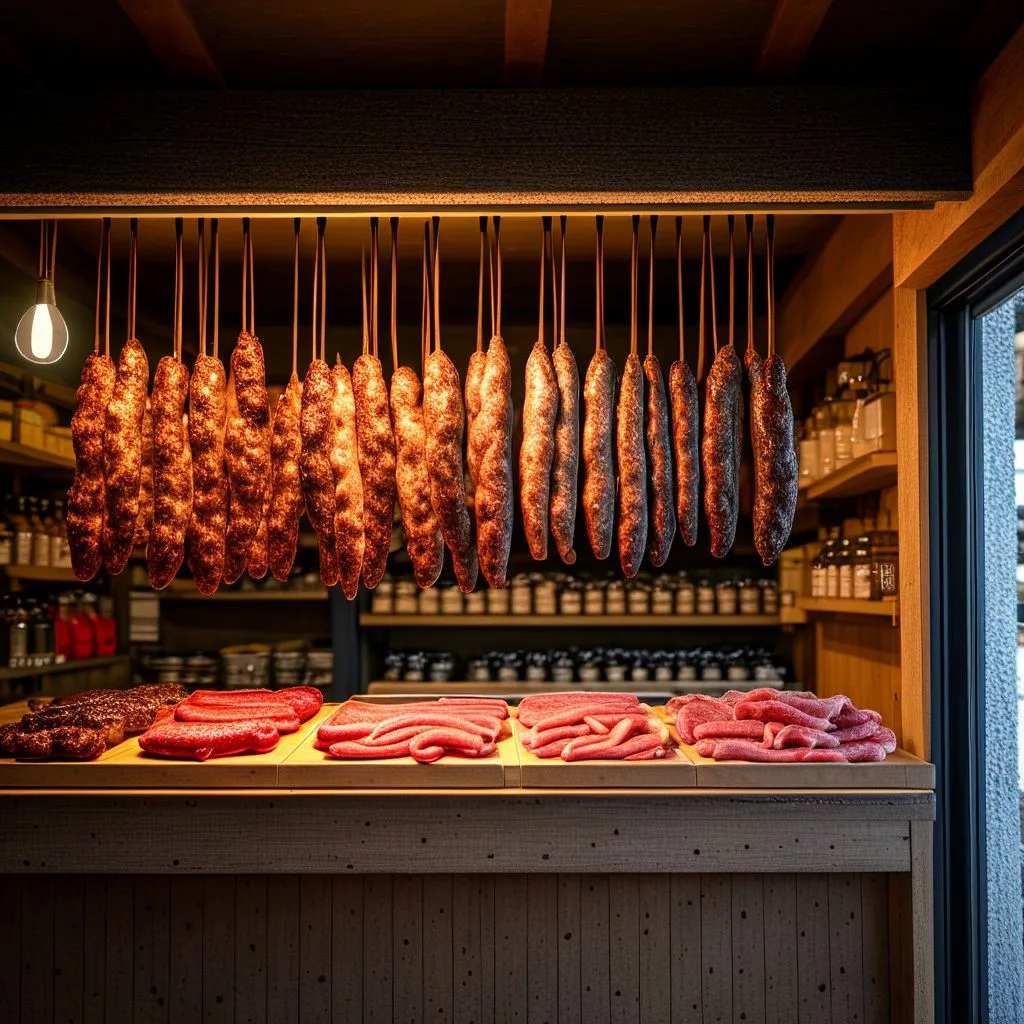
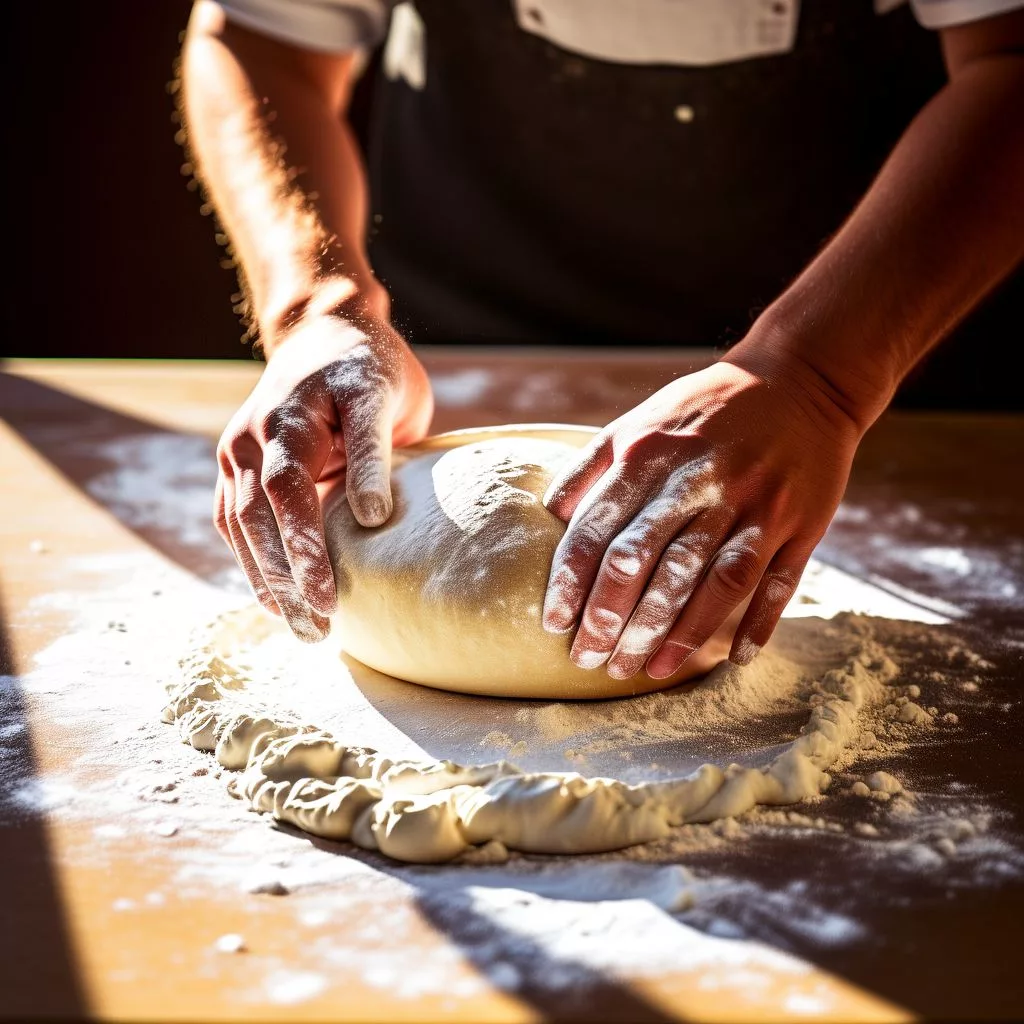
In South African prisons, inmates run bakeries that bake thousands of affordable loaves each day, saving millions of rand and changing prison life. This hands-on work teaches baking skills, builds confidence, and gives prisoners a sense of hope and purpose. Instead of just punishment, these bakeries help turn prisons into places of growth and new chances. Each loaf is more than bread – it’s a symbol of renewal and a brighter future.
How are inmate-run bakeries reshaping South African prisons?
Inmate-run bakeries in South African prisons reduce costs, save R3 million annually, and provide over 3,800 affordable loaves daily. They empower inmates with baking skills, boost confidence, and promote rehabilitation by transforming prisons into centers for growth and self-sufficiency.
A New Direction Within Prison Walls
Each morning, a warm, yeasty aroma breaks the monotony of Westville Prison’s concrete corridors. Inside a bustling bakery, fifty inmates move through their shifts, hands caked in flour, carefully shaping and baking bread in a scene that stands apart from the traditional prison environment. Instead of echoing the old punitive model, this bakery signals a shift toward rehabilitation and practical empowerment, offering new routines and learning opportunities to those behind bars.
This transformation did not emerge by accident. Dr. Pieter Groenewald, South Africa’s Correctional Services Minister, inaugurated the Westville Prison bakery in Durban as a cornerstone of a broader inmate-run bakery programme. South Africa’s correctional system, grappling with rising expenses and tighter budgets – a staggering R11.7 billion reduction over five years – needed innovation. Groenewald emphasized, “With just this bakery, we’re setting aside R3 million per year for taxpayers. Altogether, our self-sufficiency projects saved nearly R500 million last year.” Clearly, these numbers reflect more than just financial relief.
Beyond the fiscal benefits, the bakery alters daily life inside the prison. Every day, Westville’s bakery produces over 3,800 loaves at just R8 each – significantly less than the R23 per loaf paid to outside suppliers. With thirteen such bakeries now active in South African prisons, the cumulative savings are undeniable. Still, the true impact can be found in the skills, confidence, and fresh sense of purpose the programme provides to the inmates.
Transforming Punishment into Opportunity
Shifting prisons from mere holding facilities to centers of growth and renewal requires a change in philosophy rooted in history. The belief that incarceration should serve rehabilitation rather than simple retribution dates back centuries, from the Quaker-inspired penitentiaries of 19th-century Philadelphia to more modern penal reform movements. However, in practice, many prison systems – both in South Africa and worldwide – have lagged in implementing these ideals.
The bakery project at Westville represents an earnest attempt to align daily prison life with these more humane values. Instead of idleness or meaningless chores, inmates participate in hands-on, purposeful work, acquiring valuable skills they can carry into life after prison. This is not just about baking; it’s about rebuilding confidence and self-worth through tangible achievement.
For inmates like Mlindeni Xaba, the initiative is life-changing. “I appreciate those who guided us toward better decisions. Now, I have the knowledge to start a business and support my family once I’m free,” he reflected. Stories like his illustrate how rehabilitation and reintegration can become reality when correctional policy focuses on skill-building and personal development.
Bread as a Symbol: Nourishment and Renewal
Bread holds a unique place in human culture, symbolizing both sustenance and community. From ancient communal ovens to neighborhood bakeries in Paris, the act of baking represents tradition, creativity, and shared purpose. Inside the prison, this simple routine takes on even greater meaning. Each loaf is more than food; it stands as a testament to personal renewal and hope within an environment often defined by limitations.
The daily rhythm of the bakery – measuring, mixing, kneading, and baking – teaches patience, collaboration, and resilience. These are not just vocational skills, but life skills that can foster a sense of belonging and accomplishment. By participating in this tradition, inmates reconnect, even if briefly, to the wider world beyond the prison fences.
Moreover, the work cultivates a sense of responsibility and pride. Instead of being passive recipients of state resources, inmates become contributors to their own sustenance and that of their peers. This shift not only benefits the individuals involved, but also helps reshape public perceptions about what prison can be – a place for change, not just confinement.
Economic Sense, Social Progress
The self-sufficiency strategy championed by the Department of Correctional Services addresses both practical and societal needs. While the programme began with bakeries, it now includes vegetable farms, abattoirs, and tree nurseries across multiple correctional institutions. Each of these projects reduces the department’s reliance on external markets and redirects savings into infrastructure and educational initiatives.
The financial results are significant. By internalizing food production, correctional facilities have insulated themselves from market fluctuations and vendor markups, saving almost half a billion rand last year alone. Yet the true return on investment comes in the form of empowered inmates, prepared for life outside with real skills, a work ethic, and a renewed sense of possibility.
This approach reflects global trends. Scandinavian countries have long emphasized normalized, productive prison environments, while American prisons have experimented with work-release and vocational training. South Africa’s model draws from these influences but adapts them to local challenges and needs, forging an approach that is both effective and uniquely its own.
Building Foundations for a Life Outside
Personal stories from within the bakery underscore the human impact of this initiative. For many, working in the bakery represents their first taste of responsibility and community since incarceration. Shared goals and daily cooperation break down institutional barriers, fostering friendships and a sense of mutual support that transcends the rigid hierarchies of prison life.
Success stories abound: inmates discovering hidden talents for baking, teams collaborating on new recipes, and supervisors encouraging perseverance among participants who once doubted themselves. These experiences demonstrate the transformative potential of the programme, offering inmates the tools – and the confidence – to rebuild their lives.
Looking ahead, the Department of Correctional Services plans to expand these opportunities. Future initiatives will include advanced training, certifications in food safety and business management, and partnerships with employers beyond prison walls. By following the educational philosophies of thinkers like John Dewey – who believed in learning by doing – the department ensures that rehabilitation is not just a slogan, but an achievable goal.
Overcoming Challenges and Sustaining Progress
Scaling up these programmes will not be simple. Maintaining a steady supply of ingredients, ensuring equipment runs smoothly, and training both inmates and staff require continuous attention and investment. Additionally, the stigma attached to a prison record can still create obstacles for former inmates trying to start anew, no matter how well-prepared they are.
Yet, every day, the bakery’s routine – measuring, kneading, baking, cooling – offers proof of what is possible when institutions embrace change. As loaves emerge golden and fragrant from the ovens, they symbolize more than just savings or nutrition; they embody hope, resilience, and the belief that every person holds the potential for growth and redemption.
Ultimately, South Africa’s inmate-run bakeries illustrate a powerful truth: when correctional facilities commit to real transformation, they can lay the groundwork for safer communities and more meaningful second chances. Through bread, skill, and shared purpose, these programmes are helping rewrite the narrative of incarceration – one loaf at a time.
What are inmate-run bakeries in South African prisons?
Inmate-run bakeries are baking facilities inside South African prisons where inmates themselves produce thousands of affordable loaves of bread daily. These bakeries not only supply bread at a fraction of the cost charged by outside suppliers but also serve as rehabilitation hubs, teaching inmates valuable baking skills and providing them with a sense of purpose and hope.
How do these bakeries benefit the prison system financially?
The bakeries save South Africa’s Department of Correctional Services millions of rand annually – approximately R3 million per year from just the Westville Prison bakery alone. Thirteen such bakeries across the country collectively contribute to nearly R500 million in savings. By producing bread internally at about R8 per loaf compared to the R23 paid to external suppliers, these initiatives significantly reduce food procurement costs and ease budget pressures.
In what ways do baking programmes contribute to inmate rehabilitation?
Beyond financial savings, baking programmes offer inmates hands-on work that builds practical baking skills, boosts confidence, and fosters responsibility. This daily routine encourages patience, collaboration, and resilience, transforming incarceration from mere punishment into an opportunity for personal growth, skill development, and preparation for reintegration into society.
Why is bread considered a symbol within this programme?
Bread has long symbolized nourishment, community, and renewal in human culture. Within the prison bakery context, each loaf represents more than food – it embodies hope, personal transformation, and the possibility of a brighter future. The baking process reconnects inmates to meaningful tradition and creativity, reinforcing values like teamwork and pride in contributing to the community.
How does the inmate bakery programme fit into broader correctional goals?
The bakery initiative is part of a wider self-sufficiency strategy by South Africa’s Department of Correctional Services, which also includes vegetable farms, abattoirs, and tree nurseries. This approach reduces reliance on external suppliers, saves public funds, and prioritizes rehabilitation through skill-building and education, aligning with international trends that emphasize humane, productive prison environments.
What challenges do inmate-run bakeries face, and what are the future plans?
Challenges include maintaining ingredient supplies, equipment functionality, ongoing training, and overcoming societal stigma faced by former inmates. To address these, the Department plans to expand training opportunities, introduce certifications in food safety and business skills, and develop partnerships with employers outside prison. These steps aim to ensure that inmates are well-prepared for successful reintegration and long-term positive outcomes.